Preventing Electrical Equipment Failure Plans
Kord Electric helps commercial and industrial facilities protect uptime through preventing electrical equipment failure. We take a calm, methodical approach that keeps critical gear from breaking at the worst possible time, like the moment a tenant’s grand opening begins or when a data rack decides to audition for chaos. In the sections ahead, our experienced technicians and expert service staff explain how proactive strategies reduce stress on your electrical systems before problems show up on a dashboard. We also show how modern commercial electrical systems for modern buildings benefit from planning, testing, and smarter monitoring. And yes, we do mean smarter, not just “we’ll look at it next quarter,” because next quarter rarely fixes anything.
What proactive plans stop outages before they start
When people wait for failure, the electrical system waits too. Then it fails, loudly. To prevent issues, we build proactive plans around how power actually behaves in commercial and industrial environments, where loads change, equipment cycles, and conditions vary across seasons. First, we map the electrical system’s critical paths, such as feeders that supply life safety loads, process controls, telecom, and HVAC power where failures cascade fast.
Next, we schedule inspections and testing that match the risk level of each asset. For example, busway sections and switchgear often operate under heat and vibration. Meanwhile, transformers handle long-term load and daily cycling. Because of that, our team does not treat all components the same. Instead, we prioritize what can fail first, what can fail hardest, and what can fail with the least warning.
Finally, we document findings in a way operations teams can use. Our technicians translate test results into clear actions, so others in the building team do not have to guess what “slightly off” means. In other words, we replace mystery with a plan.

How we manage load, heat, and power quality day to day
We know one truth: heat is the silent tax on electrical equipment. Over time, it weakens insulation, loosens connections, and changes how components behave. Therefore, our proactive strategy starts with understanding load patterns and thermal stress. In modern commercial and major property buildings, your electrical system rarely sits still. It ramps up during business hours, shifts during construction phases, and absorbs new tenants with different demand profiles.
To manage that, we review available data and installation records, then we verify assumptions with field checks. We look for signs of overloaded circuits, abnormal harmonics, and frequent breaker operations that suggest upstream issues. When we find power quality problems, we address the root cause, not just the symptom. For instance, high harmonics can overheat transformers and neutral conductors, especially in facilities with variable frequency drives, LED lighting retrofits, and power converters.
At this point, our expert service staff explains the “why” in plain language. They connect power quality to equipment wear, so the facility team understands how preventing electrical equipment failure actually starts with daily operating conditions.
And if you want a pop culture analogy, think of it like maintenance for a superhero. If you only fix damage after the villain shows up, you will spend more time repairing than saving the day.
Prevent failures in switchgear, transformers, and panels with smarter testing
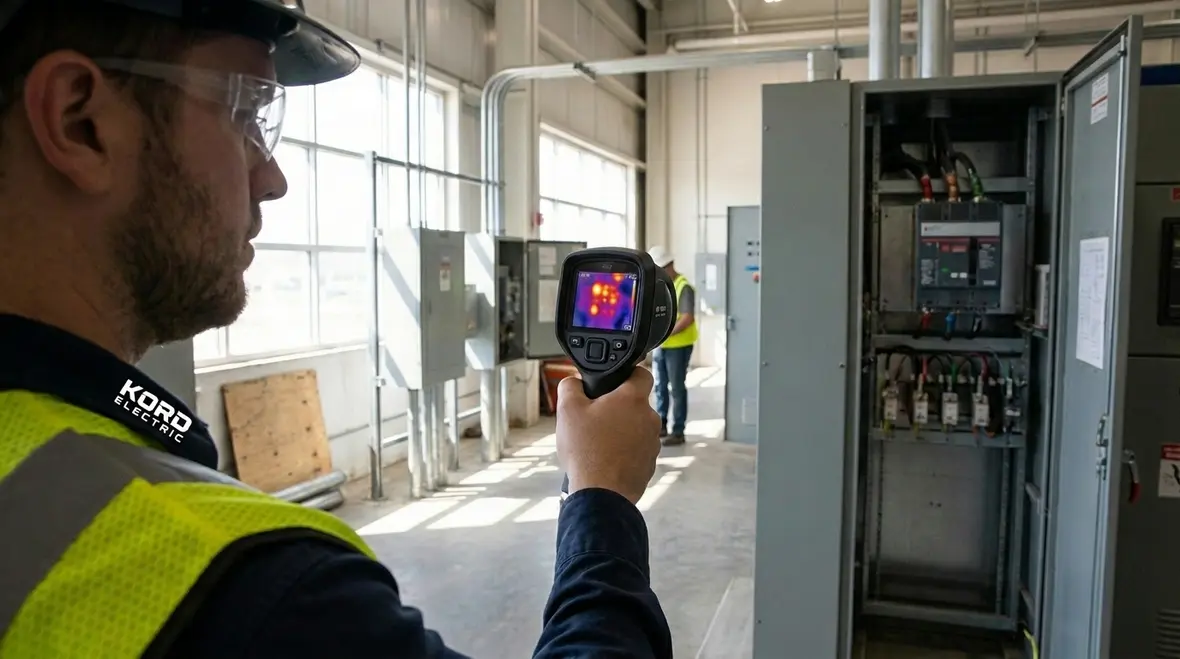
Commercial electrical systems live on reliability. When switchgear and transformers fail, the effect can spread quickly across multiple floors or building zones. So we focus testing where it matters, with methods that support real-world operation. For switchgear, we verify breaker performance, contact condition, and control circuits. For transformers, we evaluate insulation condition and check for signs of abnormal aging tied to load and temperature.
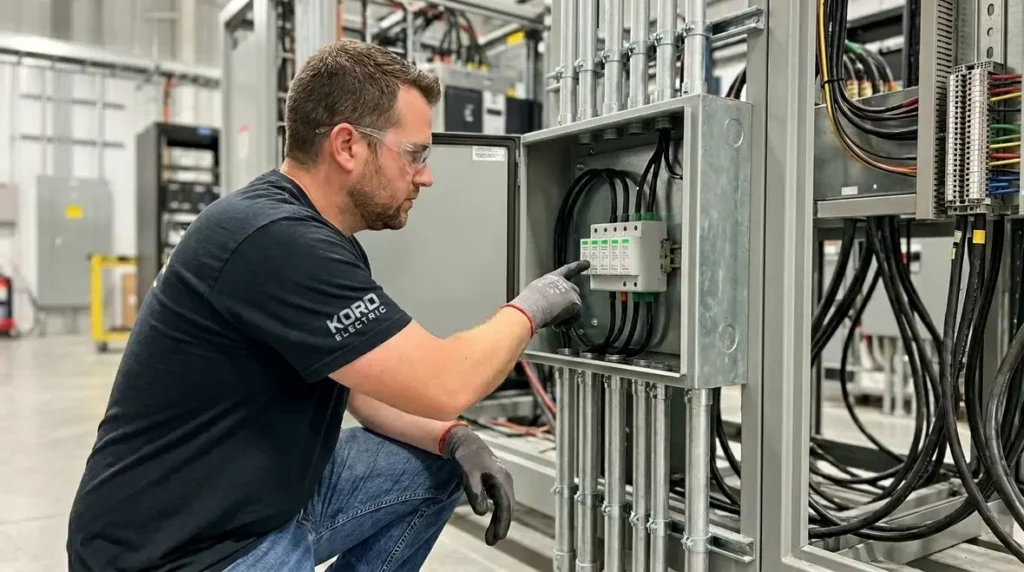
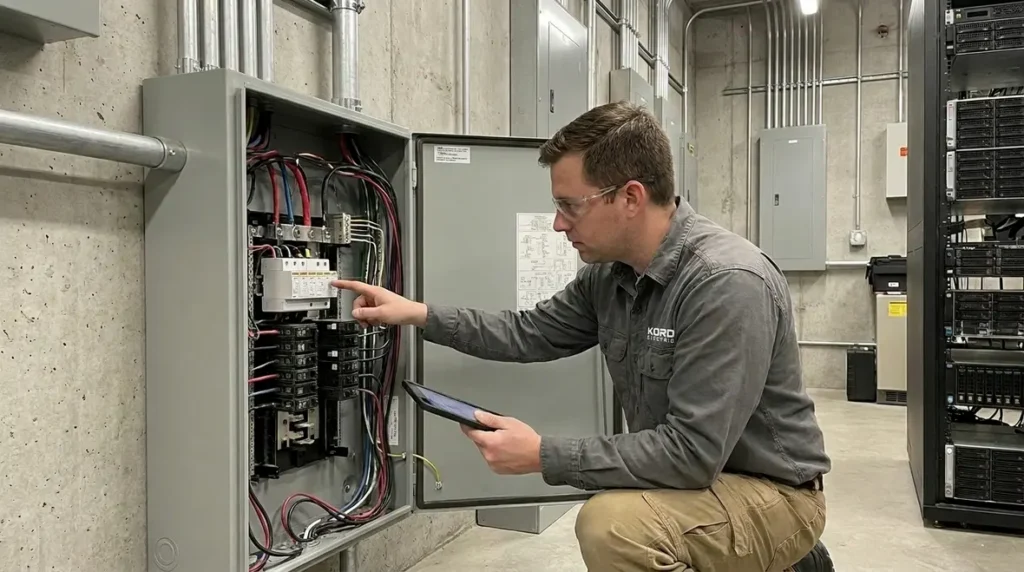
Panels and distribution gear also deserve attention. Loose terminations can cause arcing, and arcing can turn “minor” into “major” faster than anyone wants. Because this equipment often hides inside closets and mechanical spaces, we use targeted inspection approaches instead of random checks. We look for telltale signs, then we verify with instruments and best practice test plans.
Once results arrive, we help your team move from report to action. Our technicians explain findings in business terms: what the issue is, what it risks, and what a practical timeline looks like. Then we align upgrades and repairs with your operating schedule, including downtime constraints.
In short, we test like professionals who respect uptime. Not like a detective who only checks the scene after the police left.

Why maintenance should follow risk, not calendars
In many buildings, maintenance runs on habit. A calendar tells someone when to do something, and the system gets checked because it is “time.” However, we take a different approach. We follow risk. That means we consider how each asset behaves, how critical it is, and how failure would affect the facility. For example, a circuit serving a process area or life safety needs a higher level of scrutiny than a nonessential panel with easy backup.
We also factor in changes. When a major property building adds new tenants, modifies HVAC, upgrades lighting, or installs additional process equipment, the electrical environment shifts. Therefore, a plan that only checks gear on a fixed interval may miss the moment risk increases. Our expert service staff recommends re-evaluations during major project phases so preventing electrical equipment failure stays aligned with current conditions.
To keep everyone aligned, we coordinate with facility managers and electrical contractors involved in renovations. We schedule work to reduce disruptions and we document what we do so the building team can track trends over time. That way, decisions become clearer and fewer “surprises” land in your lap.

How monitoring and documentation reduce the cost of surprises
Even with strong maintenance, equipment can drift. That is why monitoring matters, especially in commercial and industrial facilities where downtime and emergency callouts cost real money. We support monitoring strategies that help identify issues earlier than a shutdown or a breaker trip.
We also value documentation because it turns tribal knowledge into repeatable performance. Our technicians build records that show test history, observations, and changes made over the equipment life. When a problem appears, this documentation helps others pinpoint what changed, when it changed, and where to look first. That reduces diagnostic time and supports faster restoration.
For facilities managing multiple buildings, trend data becomes even more valuable. We can compare asset performance patterns across sites and help standardize practices. In that way, preventing electrical equipment failure becomes a system, not a one-time effort.
And yes, there is a certain comfort in not wondering whether a transformer “feels warm” today. That comfort is not magic. It is measurement, applied consistently.
Field corrections and upgrades that protect uptime during growth
As buildings expand and systems evolve, your electrical infrastructure must keep up. We focus on upgrades that reduce long-term stress and prevent failures tied to outdated design or wear. For example, when harmonics rise due to new drives and electronic loads, we recommend mitigation approaches that match the facility’s actual power profile. When protective devices wear out or lose accuracy, we help correct that so protective coordination works as intended.
We also address installation quality and component condition. Corrosion, moisture intrusion, and vibration can degrade connections and bus supports. Therefore, our team checks physical conditions during service visits and then follows up with repairs and preventive adjustments where needed.
When modernization projects arrive, we help others maintain continuity. We coordinate temporary power needs, verify grounding and bonding, and ensure that new equipment integrates safely with existing gear. Our expert service staff explains the steps in a way that supports scheduling, approvals, and operational planning.
Growth should feel like progress, not like a power system learning new stress limits the hard way.
FAQ
Call Kord Electric for a proactive reliability plan
If you want fewer emergency calls and steadier uptime, we recommend a risk based reliability assessment for your commercial and industrial electrical systems. Our technicians and expert service staff review critical equipment, testing history, load patterns, and power quality indicators, then we build a practical plan to support preventing electrical equipment failure. To go deeper on structured maintenance strategies, you can also explore Kord Electric’s article on commercial and industrial electrical maintenance plans, which aligns closely with the approach described here.
For facilities that are already thinking about broader upgrades, planning, and integration across modern properties, the Kord team also supports commercial electrical systems for modern buildings, tying preventive strategies, system design, and long-term reliability together so your infrastructure keeps pace with how the building actually operates.
If your reliability plan also includes new infrastructure like fleet or tenant charging, Kord Electric’s dedicated EV charger installation services can be woven into your maintenance and upgrade roadmap, keeping power quality and capacity aligned with growth.
Contact Kord Electric today to schedule an on site evaluation. We will bring clarity, not guesswork, and we will help your facility run like it means it.