Proactive Electrical Hazard Prevention for Commercial Spaces
Proactive electrical hazard prevention for high traffic commercial spaces
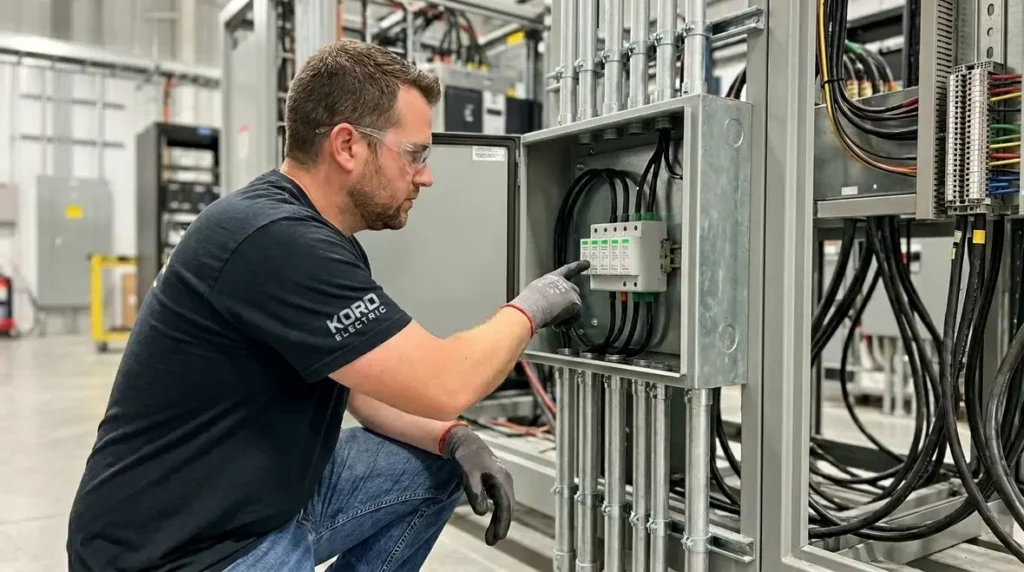
In high traffic commercial spaces, electrical risk does not wait politely for business hours. That is why Kord Electric focuses on proactive electrical hazard prevention: we keep problems small, visible, and fixable before they turn into downtime or injuries. Our technicians start by spotting worn connections, overloaded circuits, water intrusion, and outdated panels. Then we track heat, verify loads, and document every finding so the next team does not have to “guess” what happened last time. Also, we make the process calm and clear. When our expert service staff explains what they see, they do it in plain language, not in riddles. Because a safety plan should not feel like a pop quiz with a surprise pop culture trivia question.
Where risks hide in commercial and industrial buildings
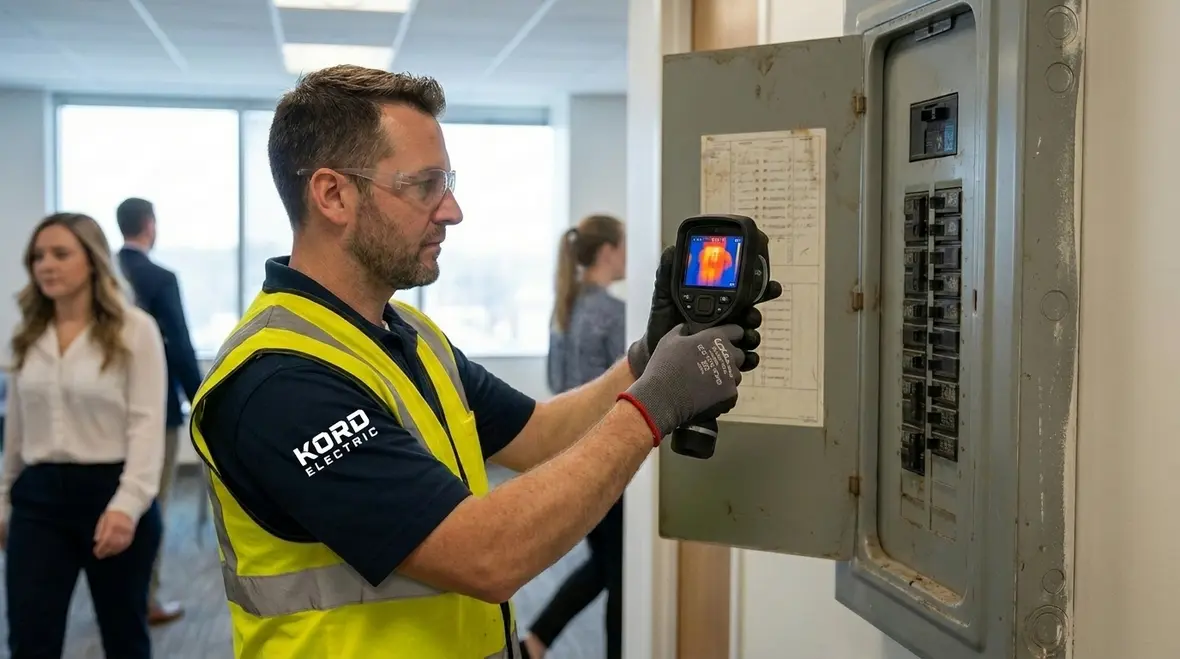
Even when facilities look modern, electrical hazards can lurk in plain sight. First, many risks come from everyday wear. Connections loosen from vibration, thermal cycling, and years of service, so the safest parts of a building can slowly drift into the unsafe zone. Next, high traffic areas create real-world stress on electrical systems. Door traffic, equipment movement, maintenance ladders, and even carts can nudge conduits, damage cords, or pull at cable trays. Meanwhile, moisture behaves like an uninvited roommate. It creeps in through roof leaks, condensation, wash bays, and HVAC gaps, then it settles into junction boxes and device enclosures where it can fuel corrosion and increase fault risk.
Then there is the big one: load growth. Companies expand, add kitchens, install EV charging, swap HVAC equipment, and upgrade IT racks. As a result, circuits that once handled the load comfortably may now run near their limits. That is how heat builds. And heat loves to work quietly until it does not. In other words, the building does not always scream before something breaks. Sometimes it just smolders with a straight face, like a villain in a slow burn movie.
These hidden electrical risks show up across offices, warehouses, and industrial floors, and they rarely fix themselves. That is why pairing proactive inspections with structured hidden electrical risks in commercial buildings insights helps facility teams understand where trouble usually starts and how to stay ahead of it.
How Kord Electric prevents incidents before they start
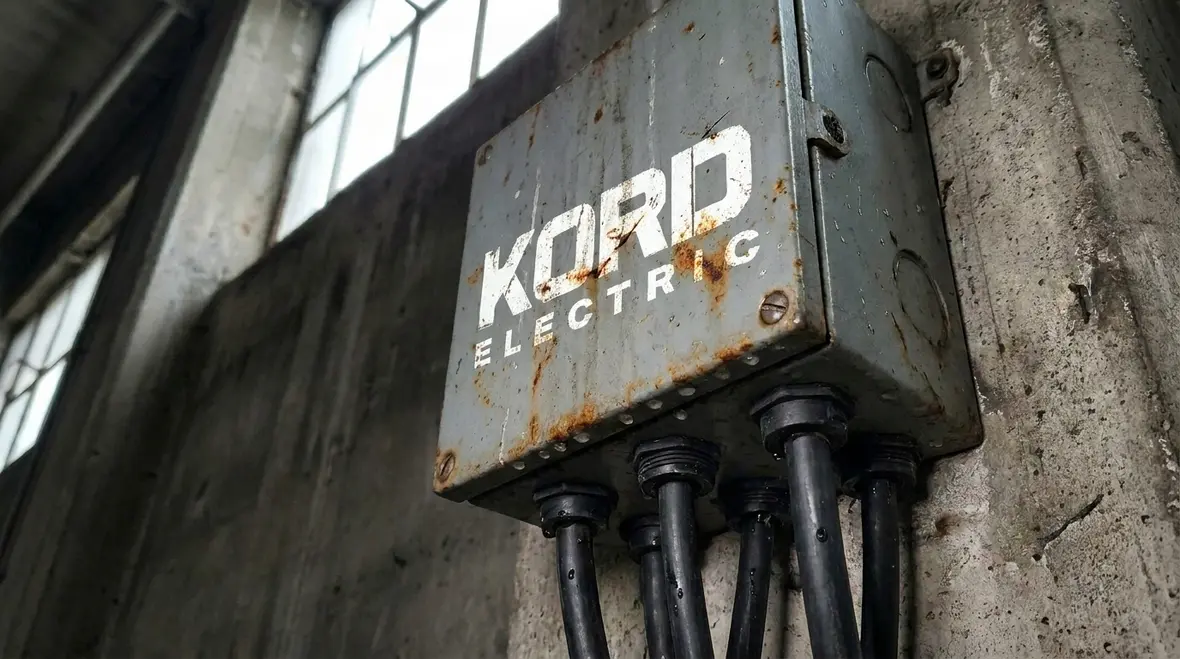
Kord Electric treats safety as a system, not a single visit. We begin with a structured site review and we follow it with targeted testing and corrective work. Our expert service staff explains each step so facility managers know what we found and why it matters. They also help others understand how the recommendations tie to daily operations, because electrical hazard prevention should fit real schedules, not interrupt them like a surprise snowstorm in summer.
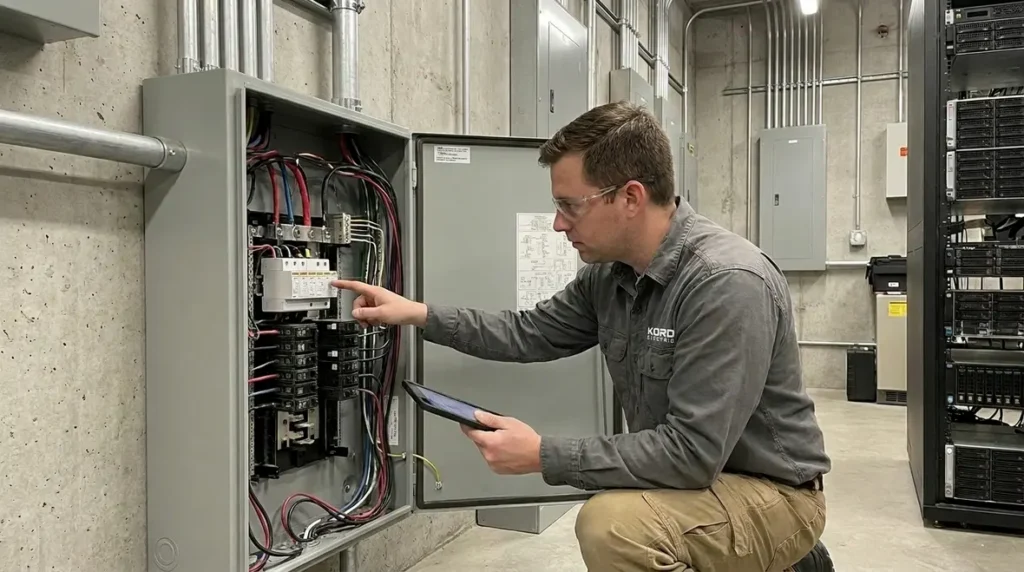
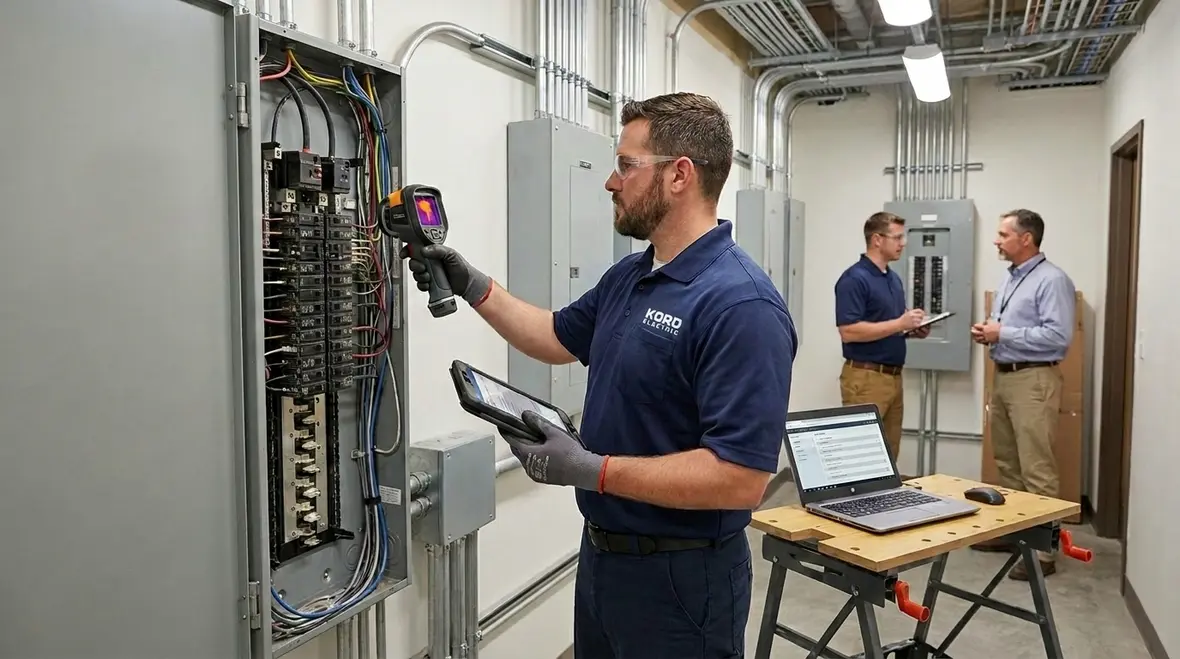
To prevent incidents, we emphasize early detection. For example, we check for abnormal heat signatures, verify protective device behavior, and inspect panel interiors for signs of aging, moisture, or contamination. When we identify issues, we do not hand over vague advice. Instead, we propose specific fixes, we estimate impact, and we coordinate with your team. That means the work stays controlled, documented, and repeatable. Many of these structured inspection and repair workflows align closely with Kord Electric’s dedicated electrical preventive maintenance programs built for commercial and industrial facilities.
Finally, we verify that the system remains safe after repairs. We confirm the problem did not reappear through missed connections or incomplete commissioning. This “close the loop” approach is the difference between a bandage and a real cure.
Electrical safety controls that keep operations steady

Proactive electrical hazard prevention depends on clear controls that keep electrical systems stable during busy days. So we help our commercial and industrial clients build routines that reduce risk. We also support staff with simple checklists and clear maintenance notes that reduce confusion between shifts.
Key controls we focus on include:
- Thermal and connection integrity checks to find overheating before insulation damage and arcing occur
- Panel and feeder inspections to confirm terminations stay tight and components stay dry
- Grounding and bonding verification to ensure fault paths work correctly during abnormal conditions
- Protection device coordination so the right breaker clears the right fault, fast and safely
- Cable and conduit condition review for signs of wear, mechanical strain, and water intrusion
Of course, controls do not help if they sit in a folder. So we make sure the process connects to how teams actually operate. We advise on practical intervals for inspections, we coordinate access, and we schedule work when it least affects operations. In high traffic facilities, that is the difference between “we should have done this” and “we did this on time, like adults.” For organizations that want a formal framework, these controls tie neatly into broader commercial and industrial electrical maintenance plans that keep building systems on a predictable, low-risk path.
Field-ready recommendations: from inspection to action
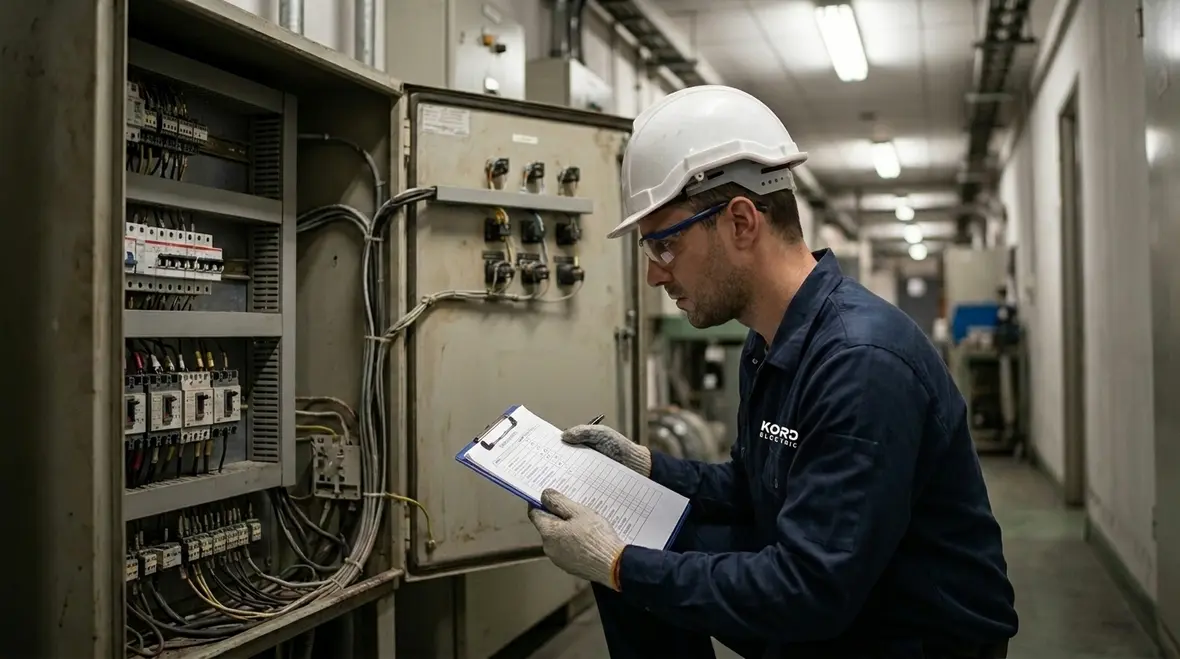
When we detect hazards, we treat the next steps as a plan. First, we classify findings by risk and urgency. Then we propose corrective actions that facility teams can implement without guesswork. After that, we help them track results so they can confirm the fix worked, not just hope it did.
In many commercial and industrial buildings, a major part of prevention comes from correcting “small” issues quickly. A slightly loose termination can create heat. Heat can degrade insulation. Degraded insulation can lead to a fault. So we fix the connection, then we verify the system runs within safe limits.
Here is how our approach often plays out in a real facility workflow:
| Step | What teams get |
| Site review and risk walkdown | Clear observations tied to facility operations and traffic patterns |
| Targeted electrical testing | Verified results that support safe electrical hazard prevention planning |
| Corrective action proposal | Specific repairs, estimated downtime needs, and priority order |
| Repairs and verification | Confirmation testing and documentation for continuity across shifts |
And yes, we keep it human. Our technicians and expert service staff explain what matters and what can wait. They also describe the “why” in plain terms. That helps stakeholders avoid panic and helps maintenance teams understand how to prevent repeats. Because nobody needs a mystery outage with a dramatic soundtrack.
Proactive training, documentation, and team alignment
Electrical safety does not live only in equipment. It also lives in habits. Kord Electric supports alignment by helping facility staff understand how safe practices connect to daily tasks. For example, when contractors install new equipment, they need to know where to route cables, how to secure conduits, and how to avoid damaging existing runs. Meanwhile, internal maintenance teams need guidance on load changes and device handling. Our expert service staff can explain safe boundaries and document responsibilities so teams do not step into hazards while trying to “just get it working.”
We also promote better recordkeeping. Documentation helps future teams understand what was tested, what was repaired, and what needs attention next. It prevents repetitive fixes and it supports smarter planning when a building adds new loads or changes operations. Plus, clear records help when questions come from leadership, insurers, or compliance reviews. When these records are paired with disciplined, scheduled inspections, they form the backbone of a practical electrical hazard prevention strategy instead of a pile of disconnected work orders.
Lastly, we help clients build a rhythm. Preventive inspections, verified corrective actions, and scheduled testing create a predictable safety cycle. In that cycle, hazards get found early, and the building keeps running. That is how you protect people, equipment, and budgets at the same time.
For facilities planning long term upgrades, this same rhythm can extend into larger projects such as rewiring or new infrastructure. Guides like Kord Electric’s rewiring cost guide for commercial electrical systems and resources on voltage stability and power failures help decision makers connect day-to-day maintenance with big picture capital planning.
FAQ: electrical hazard prevention for commercial and industrial buildings
Call Kord Electric for proactive safety planning
If you manage a commercial or industrial facility, electrical hazard prevention should not be reactive. Contact Kord Electric and we will review your site, test the right systems, and help you create a clear action plan that fits your operations. Our technicians and expert service staff explain findings in plain language and guide your team through verification after repairs. Let’s protect people, reduce downtime, and keep your facility running with confidence. Call Kord Electric today to schedule your proactive electrical safety assessment.
For organizations that want to go even further, pairing proactive inspections with structured electrical preventive maintenance services turns today’s safety improvements into a long term, repeatable program. From there, targeted upgrades like recessed lighting installation, EV charger installation, and other commercial electrical services can be planned from a solid, well-documented foundation instead of guesswork.
If you are ready to turn electrical hazard prevention tips into an actionable, facility-wide program, Kord Electric’s commercial and industrial team is ready to help you design, schedule, and maintain a plan that matches your building, your budget, and your risk profile.
Start with a structured assessment, connect it to a practical maintenance schedule, and then build in upgrades as your operations evolve. When you approach safety this way, your electrical system becomes an asset you can rely on, not a mystery that waits for a bad day to introduce itself.
From emergency response to long range planning, Kord Electric’s commercial and industrial electrical maintenance, hazard prevention, and upgrade services are built to keep power steady, staff safe, and surprises rare.
Ready to put a proactive plan in place for your building’s electrical safety?