Protecting Critical Electrical Infrastructure from Surges
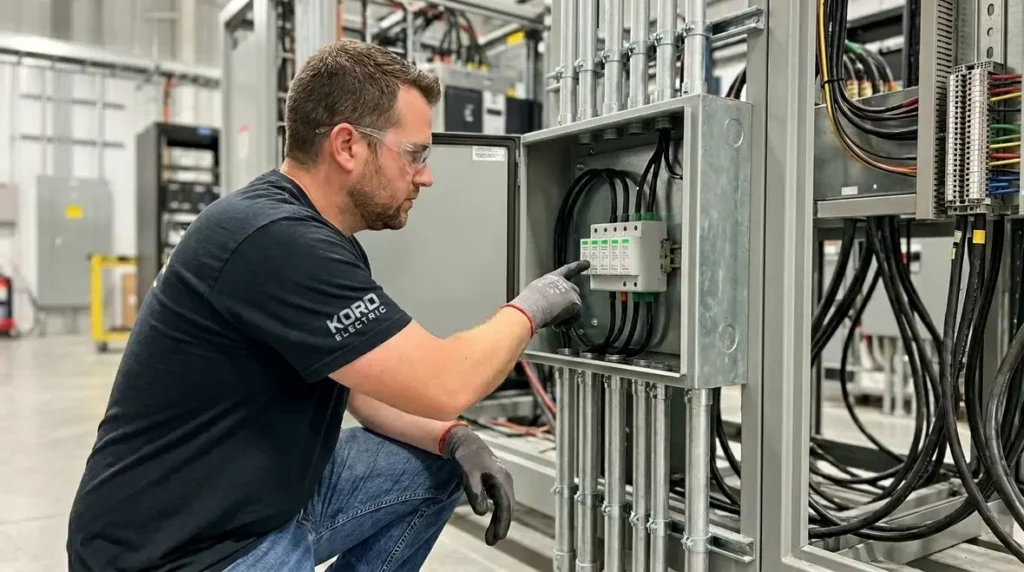
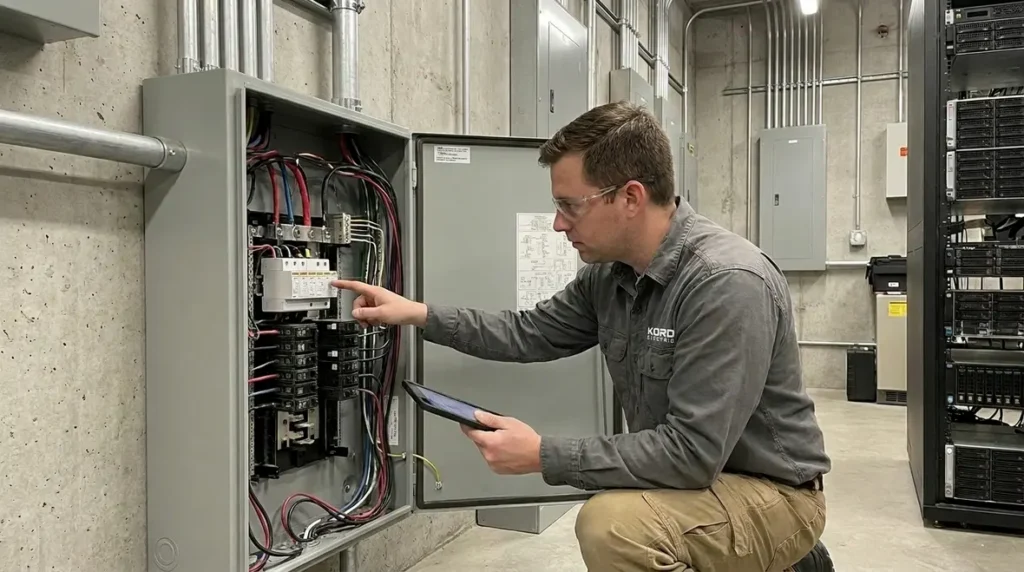
Commercial and industrial teams cannot afford to gamble with power. That is why protecting critical electrical infrastructure from surges matters more than most people think, especially when voltage spikes show up without warning. At Kord Electric, we see how a single event can stress sensitive drives, control panels, and automation systems. Furthermore, when a facility runs on tight schedules, repairs cost more than the equipment itself.
Now, we do not pretend surges are always avoidable. Yet we can control the risk. In the same way a seatbelt does not stop every crash, good protection reduces the damage when unpredictable voltage surges arrive.
What voltage surges really do inside a facility
When clients ask what causes trouble, our technicians explain it like this: a voltage surge is a short, sharp change in electrical potential. It can come from utility switching, lightning events, nearby equipment turning on and off, or even problems inside your own distribution system. Meanwhile, the surge energy does not always “look big” on basic readings. Instead, it can hit at the wrong time, right when your critical equipment is most vulnerable.
In practice, surges can degrade insulation, weaken power supplies, and stress surge sensitive components like PLCs, SCADA interfaces, and variable frequency drives. Over time, the damage becomes cumulative. Then one day the machine “just fails,” and the facility learns a costly lesson, usually after production already took the hit. To keep that from happening, we guide teams toward real-world surge protection and maintenance that matches their actual loads.
Why surge protection fails when maintenance stays on autopilot
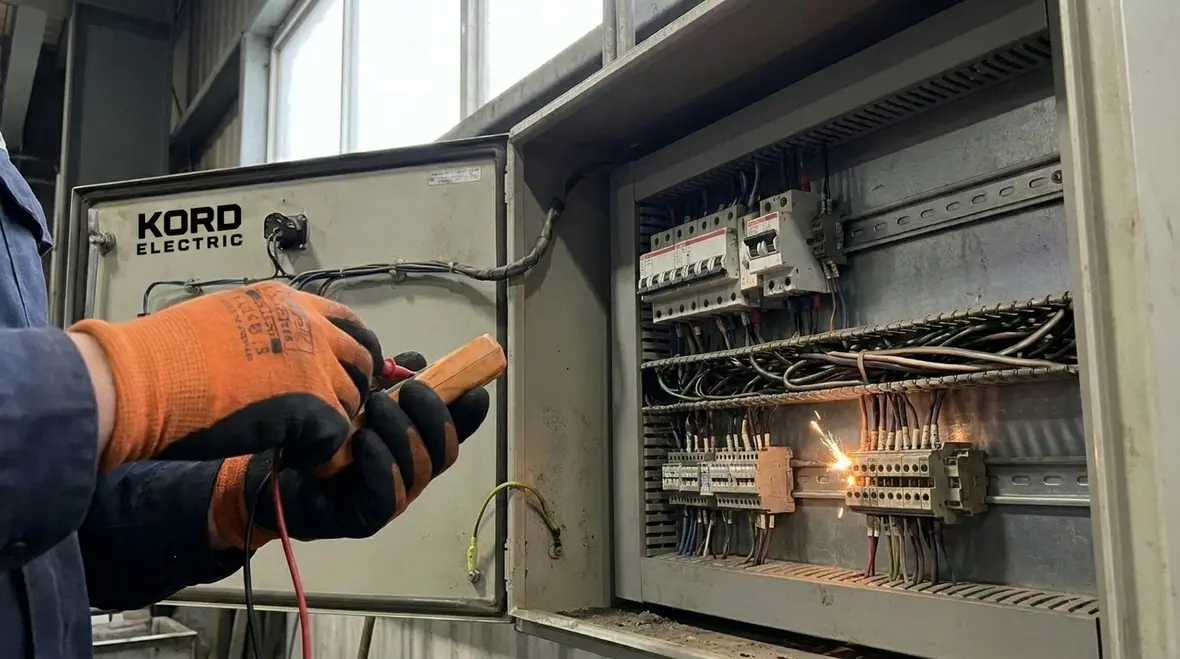
Many facilities install protection devices and then assume the job is done. However, surge protection is not a set it and forget it task. Devices age, connections loosen, and environmental conditions change. Additionally, if a breaker or panel is modified, protection paths can shift. As a result, protection that worked during installation may not work as well years later.
At Kord Electric, our experts focus on ongoing checks that keep protection pathways clear and reliable. We also help teams understand that “inspection” must mean testing and verification, not just a quick look. If we find wear, we recommend fixes before a surge turns into downtime. And if you think downtime is annoying, imagine losing a main production line right after a holiday weekend. That is when surprises stop being “cute” and start being expensive.
For facilities that want maintenance baked into their operations instead of handled as a one-off task, pairing surge protection with a structured program such as commercial and industrial electrical maintenance plans helps keep the entire electrical backbone aligned with real-world risk, not guesswork.
We build protection using system coordination, not guesswork
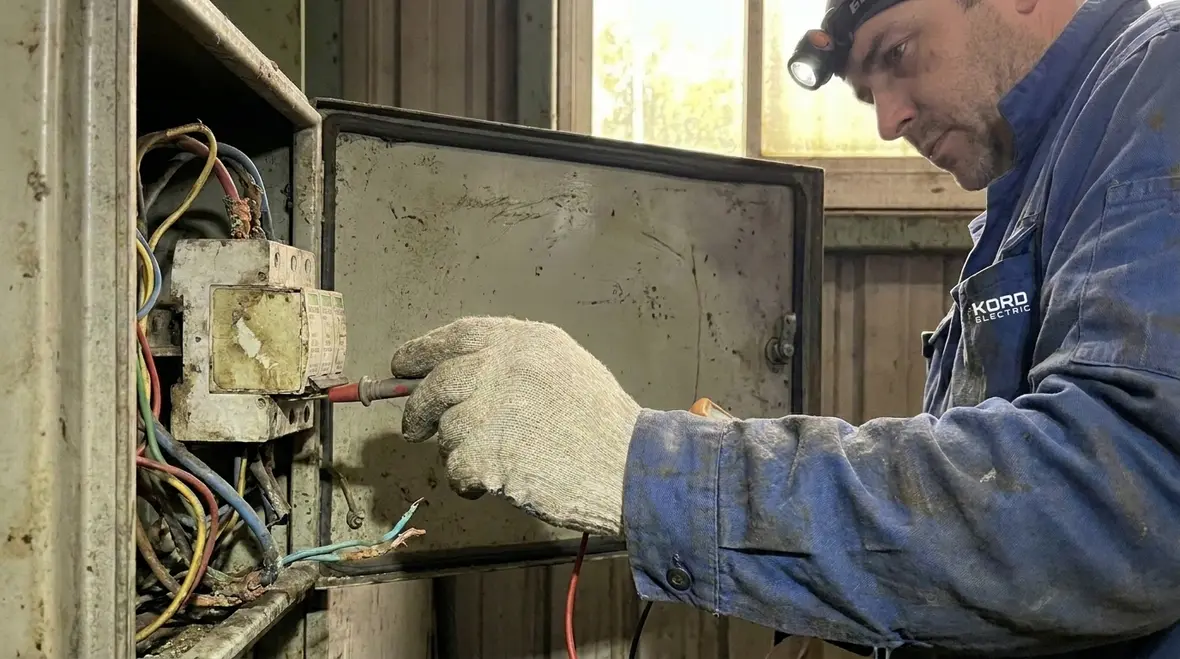
To protecting critical electrical infrastructure from surges effectively, we coordinate protection across the electrical chain. First, we consider where surges enter. Then we match the protection device type and rating to that entry point. Next, we confirm selectivity so the right device responds first and upstream devices do not take the heat.
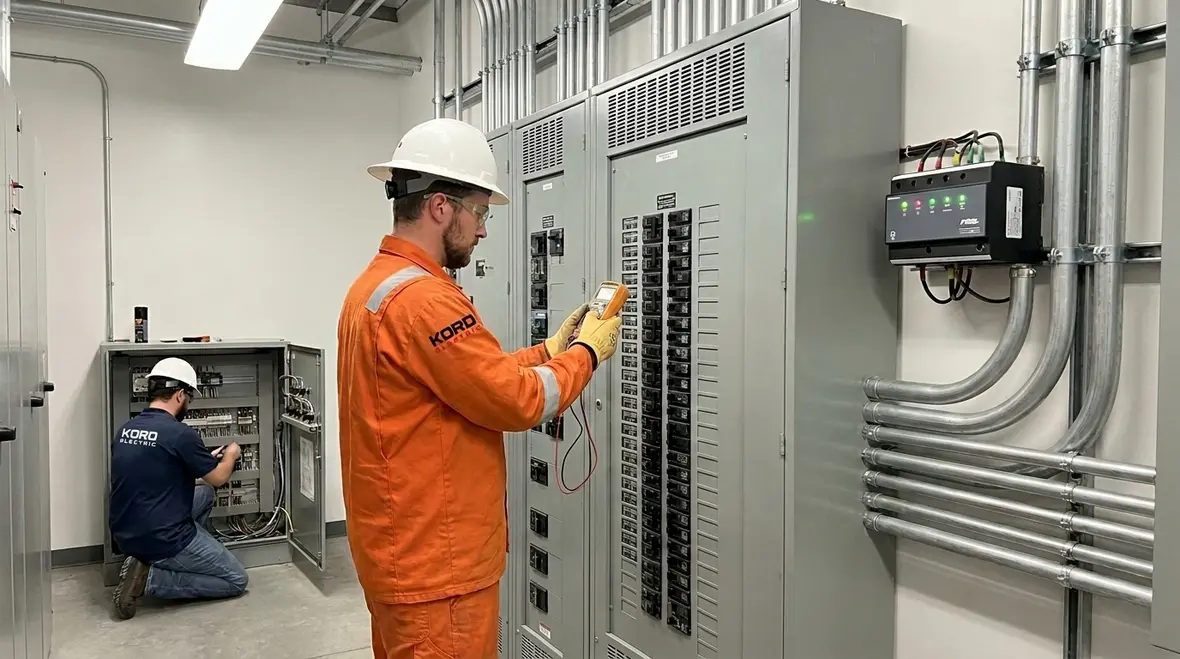
Our approach typically includes coordination between service equipment, distribution panels, and point of use protection for sensitive loads. We also look at grounding and bonding, because a poor reference path can reduce the benefit of even high quality devices. Furthermore, we verify that your wiring methods support safe surge paths and that terminations stay solid.
In plain terms, we build a protection plan that behaves like a well trained team, not a group of individuals all trying to do the same job with no coordination. And yes, electrical systems can get dramatic when they feel unsupported.
What commercial and industrial maintenance plans should include
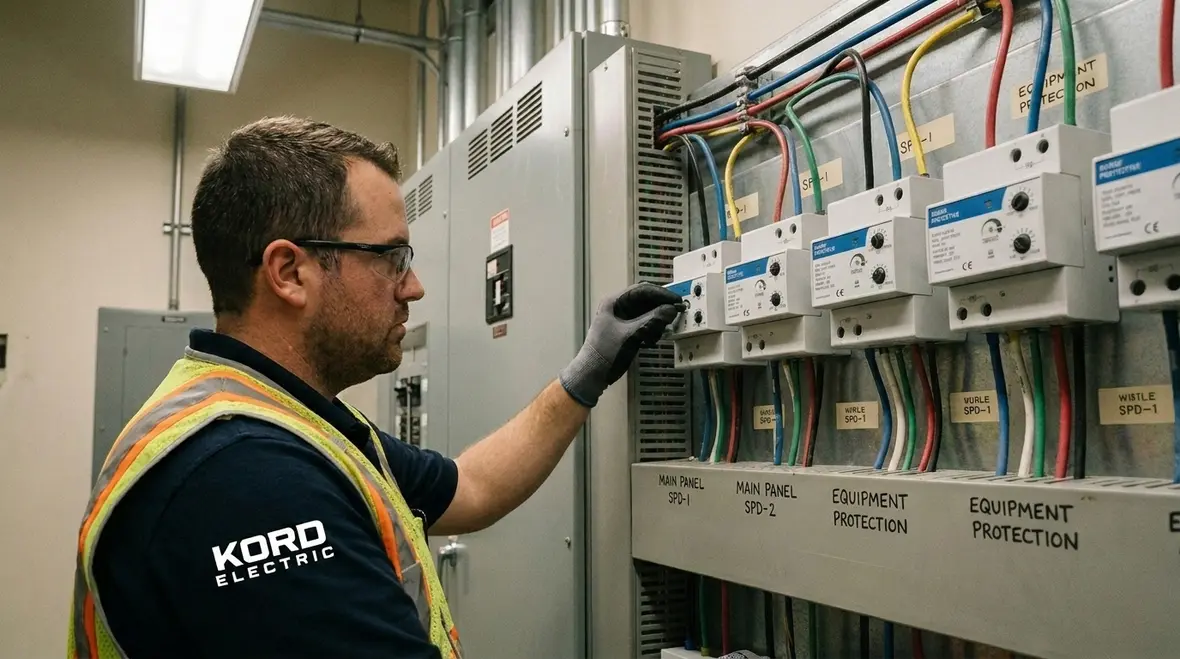
When teams ask how to stay protected through the long run, we point them to structured maintenance. In our commercial and industrial electrical maintenance plans, we emphasize the habits that keep systems stable under real operating conditions. As the seasons change, so do stresses on conductors, connections, and protective devices. Therefore, maintenance needs to be planned, documented, and based on your facility’s risk.
Based on our Kord Electric program, we help clients schedule work that includes visual inspection, checks on breaker operation, evaluation of connection integrity, and verification that key components remain within safe performance expectations. Additionally, we support a maintenance approach that aligns with how your facility actually works, not a generic template that treats a hospital like a warehouse and calls it “close enough.”
Then, when we talk about surge readiness, we add the piece many plans miss: we confirm the rest of the system supports surge protection. That means we assess panel conditions, examine bus work and terminations, and ensure the electrical distribution behaves as intended.
If you want a simple way to picture it, maintenance is the difference between owning a fire extinguisher and checking whether it is still charged. Most people do not think about the extinguisher until smoke shows up. Our technicians help you think about it before the alarm.
For properties that want surge readiness tied directly to formal service, many facility managers choose dedicated programs like electrical preventive maintenance so inspections, testing, and surge strategies stay connected instead of living in separate binders.
How we assess surge risk for large properties
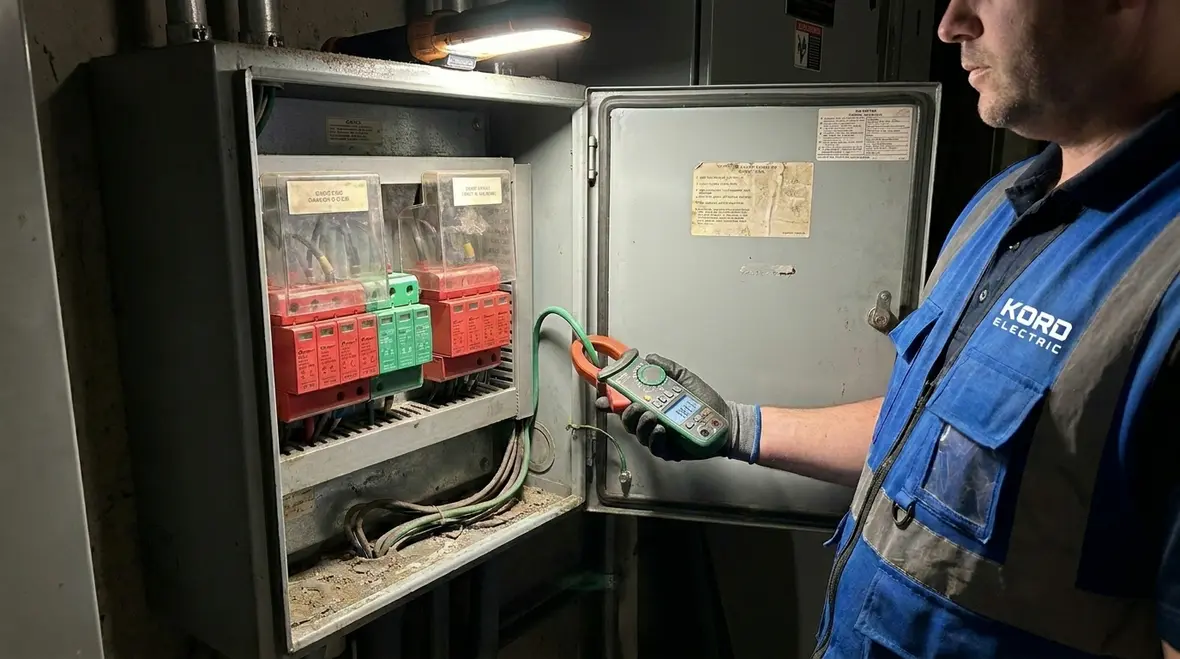
Surge risk is not one size fits all. For major property buildings, multiple feeders, long cable runs, and diverse load types can change how surges travel. Accordingly, we take time to understand your facility’s electrical layout and equipment profile. Then we identify the most likely surge entry points and the components most exposed to harm.
We also consider operational events. For example, when equipment cycles on, it can create transients that overlap with other electrical activity. Meanwhile, facilities with extensive HVAC systems, motors, compressors, or process equipment may see more frequent stress in certain areas. As a result, surge protection needs to match the timing and behavior of your loads.
In our discussions with your team, our expert service staff will also help explain what we find in clear terms. We do not just report numbers and leave. Instead, we connect findings to real-world outcomes so your leadership can make smart decisions quickly.
If we uncover deeper issues with power quality, we may also suggest targeted diagnostics similar to those used in resolving voltage fluctuations in commercial and industrial facilities, so surge protection and voltage stability work together rather than fight each other.
Protective strategies that reduce downtime and repair costs
To keep the lights steady and keep critical systems online, we recommend layered protection strategies that address both surges and the way power quality affects sensitive controls. First, we use coordinated surge protective devices sized and located for your facility needs. Second, we confirm grounding and bonding practices that support safe surge dissipation. Third, we address power distribution components that can worsen events during abnormal conditions.
Then we pair protection with proactive care. For instance, a loose connection in a panel can create extra heat and raise the chance that the system responds badly during a surge event. Similarly, aging components can fail under stress. Therefore, we treat surge protection as part of a wider electrical health plan.
Finally, we help facilities plan for change. When your operation expands, adds equipment, or modifies panels, surge protection must evolve. In other words, if your load grows, your protection plan should grow too. Otherwise, you are paying for protection while your system quietly outgrows it.
For commercial and industrial leaders who want that wider health plan mapped out, aligning surge strategies with a facility-wide service like electrical preventive maintenance turns “we should check that panel someday” into scheduled, documented work with real follow-through.
FAQ
Ready for surge risk control that stays reliable
Surges do not announce themselves, and your operation should not pay the price for that lack of warning. At Kord Electric, we help commercial and industrial facilities protect their electrical systems with coordinated surge strategies and maintenance that keeps protection working over time. If you want protecting critical electrical infrastructure from surges to be a plan, not a hope, contact our expert service staff today. We will review your facility, explain findings clearly, and map next steps you can trust. Your uptime will thank you.
If your facility is already planning broader upgrades or reliability work, pairing surge protection with a dedicated service like electrical preventive maintenance for commercial and industrial facilities keeps inspections, testing, and long-term planning under one roof, instead of juggling separate vendors for each piece of the system.
And when you need fast support in the middle of an unexpected event, having a surge-aware partner who already understands your infrastructure makes a real difference. That is why many large properties combine their preventive approach with responsive help from services like emergency electrical services, so surge events, voltage issues, and after-hours outages can all be handled quickly and safely.