Retail Facility Lighting Design for Commercial Spaces
Kord Electric approaches Retail Facility Lighting Design like a quiet advantage you can feel the moment customers walk in. We balance brightness, glare control, color, and energy use so shoppers feel comfortable, staff can work safely, and spaces look intentional. In the next sections, we explain how we optimize lighting for commercial and industrial retail facilities and major property buildings, not cookie cutter stores. Because if lighting is the “silent employee,” then we make sure it never phones in its performance. And yes, we have technicians who will explain the plan without acting like it is rocket science.
What makes customer experience improve with better lighting
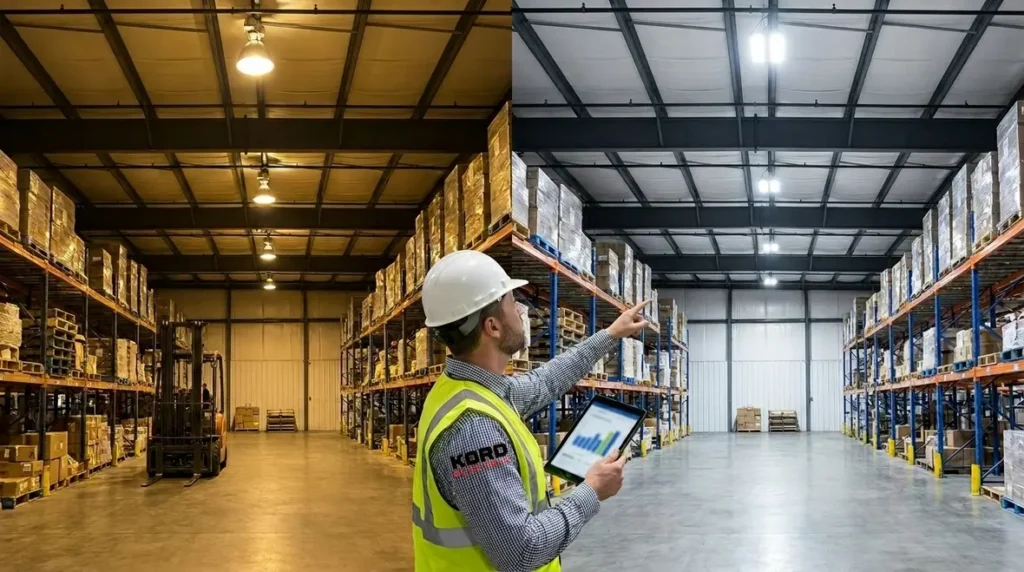
In a retail environment, lighting does more than help people see. It shapes mood, guides attention, and affects how customers judge product quality. When lighting is tuned well, customers slow down, browse longer, and read displays with less strain. Meanwhile, staff move faster and with fewer mistakes because sightlines remain clear across aisles, backrooms, and loading areas.
First, the right light level reduces visual stress. Too dim and customers miss details. Too bright and surfaces look harsh, colors shift, and glare pushes people away. Then, good lighting creates consistent visibility from entrance to checkout so customers do not feel like they are stepping into a mystery box every time they turn a corner.
Finally, quality lighting supports wayfinding. A store can feel confusing, even when signage exists, if lighting fails to highlight paths. When Kord Electric designs these zones intentionally, the layout becomes easier to understand without extra “helpful hints” everywhere, like some theme park that needs a guide just to find popcorn.
How do we map light zones across a retail facility
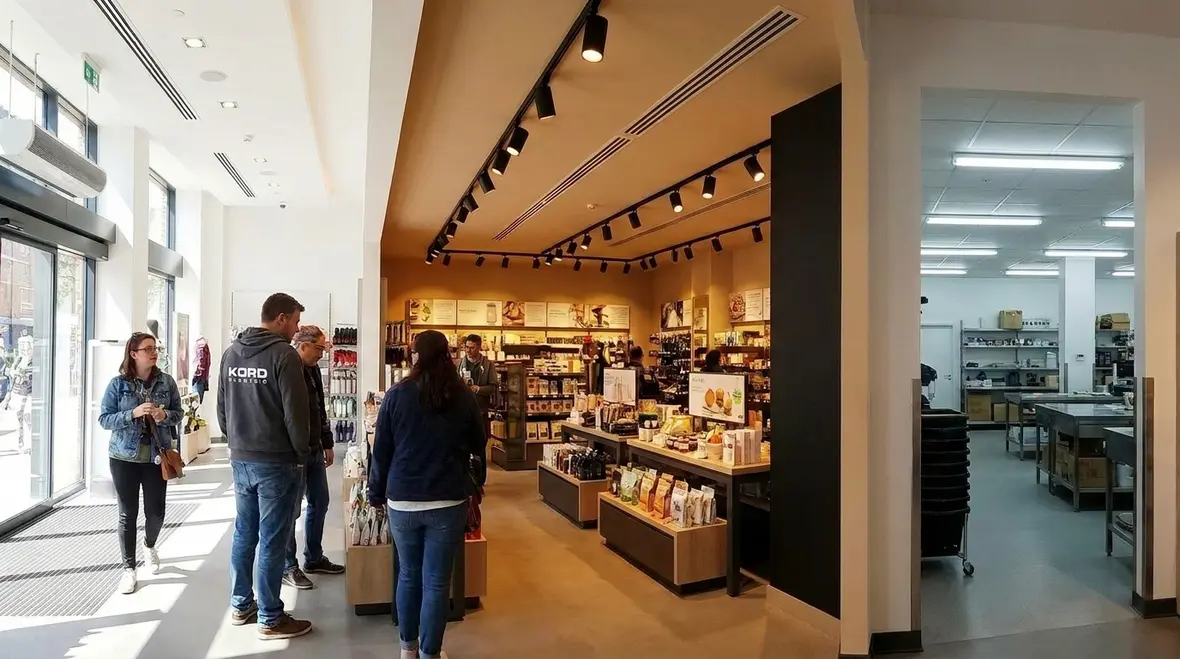
To optimize customer experience, Kord Electric starts with a simple truth: lighting must match how people move. Therefore, we map the space into zones based on foot traffic, product type, and task needs. We treat entrances, corridors, departments, and checkout areas as different jobs for light.
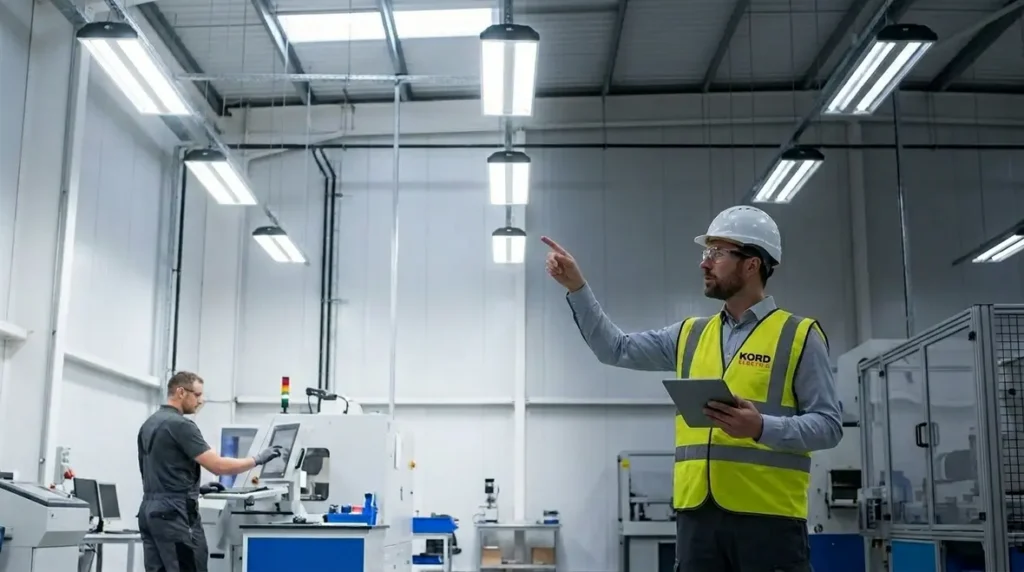
For example, high traffic entry areas need balanced brightness so customers feel welcomed without glare. A premium display zone may need tighter beam control so products look crisp, not washed out. Stockrooms and preparation spaces need uniform light for safe handling and quick inventory checks. Kord Electric technicians review these requirements during our site walk, then confirm with building constraints such as existing fixtures, mounting heights, and ceiling grid layouts.
Next, we consider vertical illumination. Many lighting plans focus on the floor, but customers look at shelves at different heights. Proper vertical light makes displays easier to read, improves perceived depth, and reduces shadows that can make products look less appealing.
Balancing brightness, glare control, and color quality
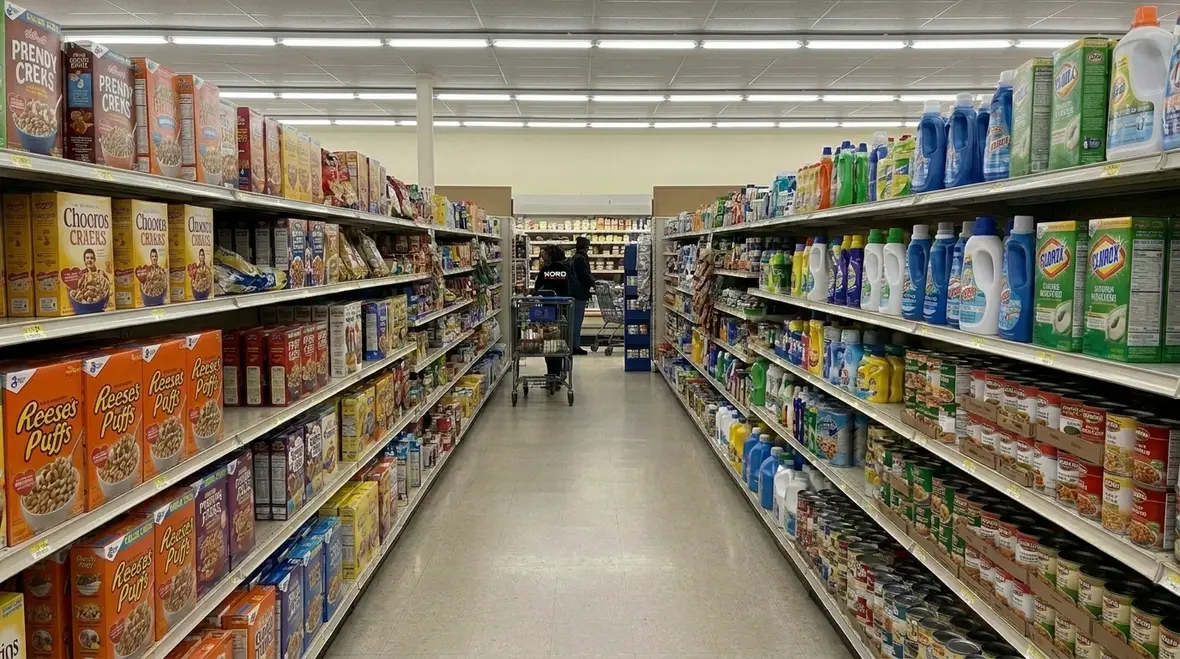
Once the zones are mapped, our Retail Facility Lighting Design focuses on three practical targets: brightness, glare control, and color quality. In plain terms, we make sure the light feels comfortable and the product colors look like the product makers intended.
Brightness means the right average levels for each area. However, averages alone fail in real life. We also check uniformity, so customers do not get bright hotspots followed by dim corners. Glare control matters because shiny floors, glass, and glossy packaging can reflect light back into faces. That is when customers squint, staff get annoyed, and everyone pretends it is fine, like a sitcom where nobody mentions the awkward silence.
Color quality is where customers often notice the difference, even if they cannot name it. A good color rendering keeps reds and greens from looking dull and avoids weird color casts that make food, beverages, and cosmetics look off. Kord Electric uses color metrics to guide fixture selection and aims for a consistent look across departments so the facility feels cohesive rather than pieced together from whatever was on sale.
At this point, our expert service staff plays an important role. They explain what we measured, why certain fixtures were recommended, and how the results connect to customer comfort. Instead of “trust us,” we show the logic and the expected visual outcome.
Why fixture placement and beam control matter for merchandising
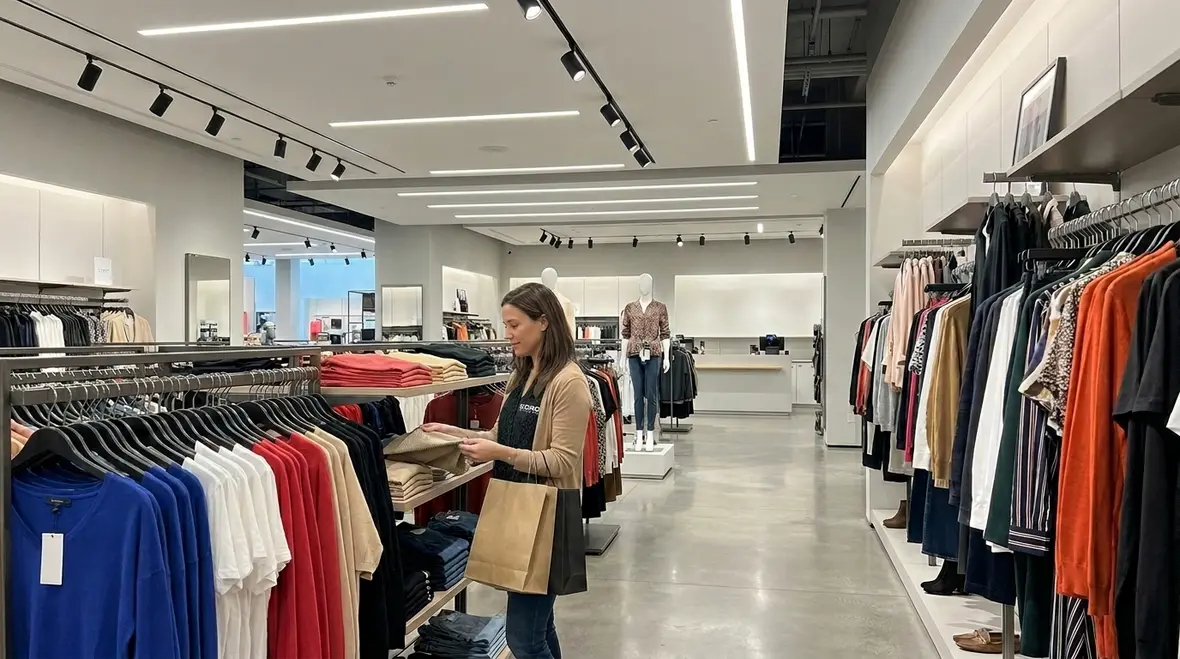
Lighting can make products look premium or generic, and placement often decides which one happens. Kord Electric uses fixture spacing and aiming strategies to protect the customer experience. When fixtures sit in the wrong positions, light spills into aisles, creating uneven pools and awkward shadows on shelf edges.
We also address beam control. Narrow beams can spotlight hero products without lighting the ceiling like it is trying to compete for attention. Wider beams can support general area brightness when merchandise needs more even coverage. In fitting rooms, we control reflections and shadows to keep skin tones and garment colors accurate. Nobody wants to discover a jacket looks completely different only after checkout. That is not retail. That is a plot twist.
In larger retail facilities and major property buildings, Kord Electric pays extra attention to transitions. Therefore, we design the change from one department to the next so customers do not feel a sudden shift in mood. We align lighting with display schedules, signage locations, and seasonal changes so the facility stays flexible.
To keep it practical for operations, our team coordinates with maintenance and electrical constraints. We avoid designs that require constant rework or frequent adjustments just to keep the space looking right.
How lighting upgrades support energy goals and maintenance reliability
Customer comfort matters, but commercial success also requires predictable operating costs. Kord Electric builds upgrades that reduce energy use while maintaining or improving light quality. We focus on efficient fixtures, smart controls, and designs that match the actual hours and occupancy patterns of the building.
Controls play a key role. Dimming tied to time schedules, occupancy, or daylight harvesting can keep brightness stable without wasting energy during low traffic periods. Moreover, we set scenes that fit how the building operates, such as opening procedures, daytime shopping, and evening periods. As a result, the light stays consistent and the facility stays comfortable without constant manual adjustments.
Maintenance reliability matters just as much as efficiency. Kord Electric designs for access, safe maintenance routes, and sensible component choices. Therefore, technicians can service fixtures quickly and accurately. When the staff knows what to expect and how the system behaves, downtime decreases and the facility avoids the “we will figure it out later” approach that usually arrives too late.
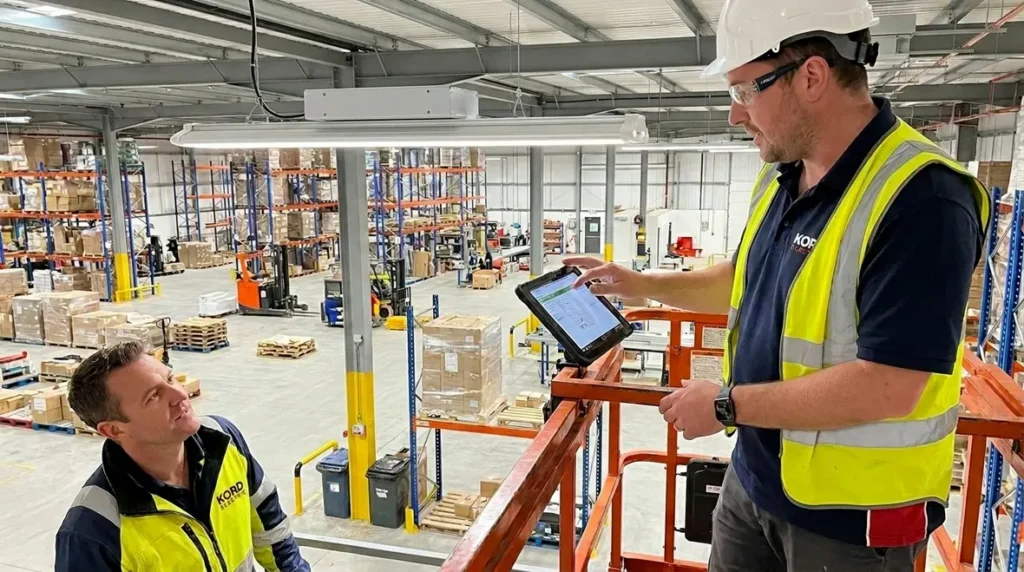
During install and commissioning, our technicians also explain what the system does. They walk facility managers through control behavior, expected performance, and troubleshooting steps, so others do not have to guess. And yes, we make sure explanations feel clear enough that you can answer questions without sounding like you are reading from a manual written in invisible ink.
What does our Retail Facility Lighting Design process look like
Kord Electric runs a process that stays grounded in field reality. We do not start with a spreadsheet and hope the building cooperates. Instead, we begin by listening to the facility’s needs, then we verify conditions on site.
First, we assess the space. Our team reviews lighting performance, fixture condition, control strategy, and how people use each area. Then, we analyze product visibility requirements and safety needs for staff tasks. After that, we develop a lighting plan that balances aesthetics, comfort, and energy goals.
Next comes layout and design refinement. We confirm mounting heights, fixture spacing, and aiming methods. We also consider electrical distribution and system integration so the upgrade fits the facility plan. After design approval, Kord Electric coordinates installation and commissioning to ensure the results match the intended experience.
Finally, we train the people who will support the system day to day. Our expert service staff explains the control logic and maintenance expectations in a way that reduces confusion. Because if nobody can operate the system confidently, the best design becomes an expensive decoration.
Design step
- Site assessment and usage mapping
- Lighting zone definition
- Fixture and control selection
- Beam aiming and placement checks
Experience outcome
- Clear visibility and comfort
- Reduced glare and shadows
- Consistent color quality
- Lower energy and fewer headaches
For teams planning larger portfolios, pairing this process with resources like Kord Electric’s Commercial Lighting Upgrade Cost Guide or the Automated Lighting Control Benefits for Facilities article helps align design decisions with budget and control strategies across multiple sites.
FAQ about optimizing lighting in commercial and industrial retail spaces
Call Kord Electric for a lighting plan that customers feel
When a retail facility gets lighting right, customers feel it instantly, staff work with less effort, and the building runs more efficiently. Kord Electric delivers Retail Facility Lighting Design for commercial and industrial facilities and major property buildings, with a process that starts on site and ends with clear technician guidance. If your lighting looks uneven, causes glare, or drives high energy use, reach out for an assessment. We will map the zones, explain the choices, and bring calm, confident light to your space.
For multi-site owners and large property managers across Southern California, this often pairs naturally with broader electrical reliability programs. Kord Electric’s Electrical Preventive Maintenance services help keep panels, emergency lighting, and critical systems aligned with the same performance expectations you set for your sales floor lighting.
If your properties span multiple municipalities within the county, Kord Electric also supports broader infrastructure needs beyond lighting, with Los Angeles County electrical services designed for commercial and industrial portfolios that cannot afford guesswork.
Whether you are planning a targeted retail lighting refresh, a controls upgrade, or a full facility retrofit, aligning your Retail Facility Lighting Design with code requirements and long-term operations will keep spaces welcoming and resilient for years to come.