Scheduled Electrical Maintenance for Facilities
Kord Electric helps commercial and industrial facilities stay reliable with scheduled electrical maintenance, and we do it with a level of care that feels calm even when the building’s systems are doing the most. When others wait for failures, we plan for prevention, which means fewer shutdowns, steadier power quality, safer operations, and better budgeting over time. Our technicians and experienced service staff review equipment condition, tighten weak points, and spot early warning signs before they grow into expensive problems. So yes, others may think maintenance is a “sometime later” task. But we have seen what happens when it gets pushed back, and it is never just one small issue. It is usually a chain reaction, like dropping a single domino and then realizing the table is basically made of dominos.
What scheduled electrical maintenance actually protects
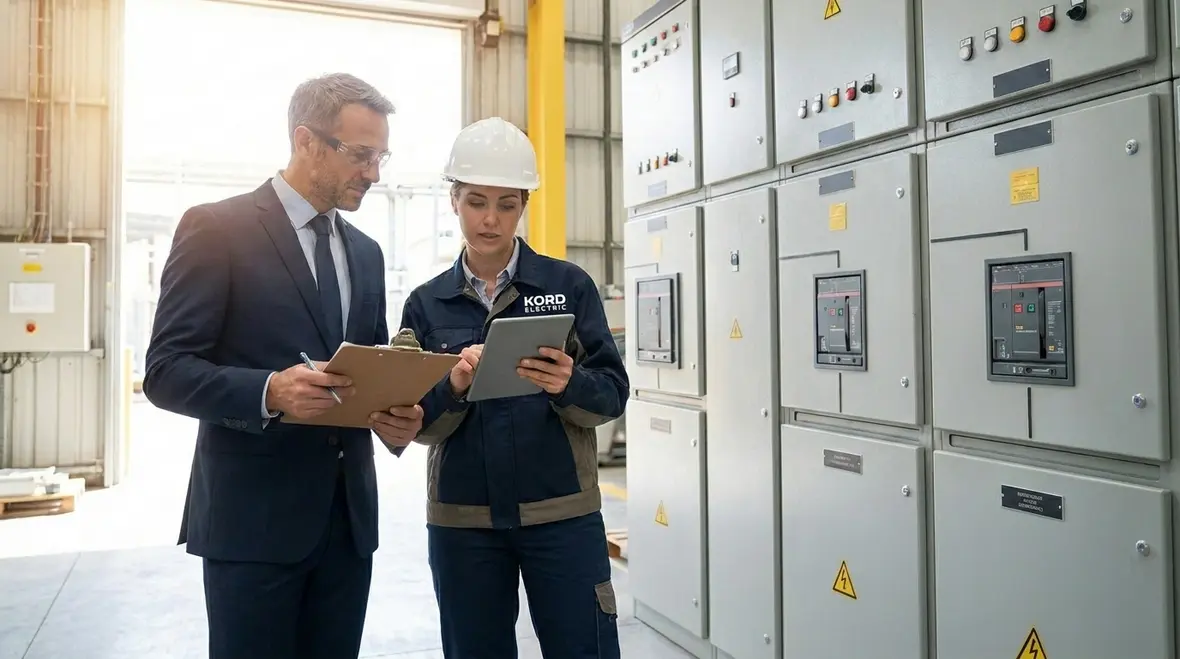
In commercial and industrial settings, electrical systems do not sit quietly in the corner. They cycle, heat up, handle surges, and serve critical loads. As a result, scheduled electrical maintenance protects more than a single component. It protects the continuity of operations, the safety of occupants and workers, and the integrity of the power your equipment depends on. Because the system ages every day it runs, there is always a point where wear and minor defects can become major risk.
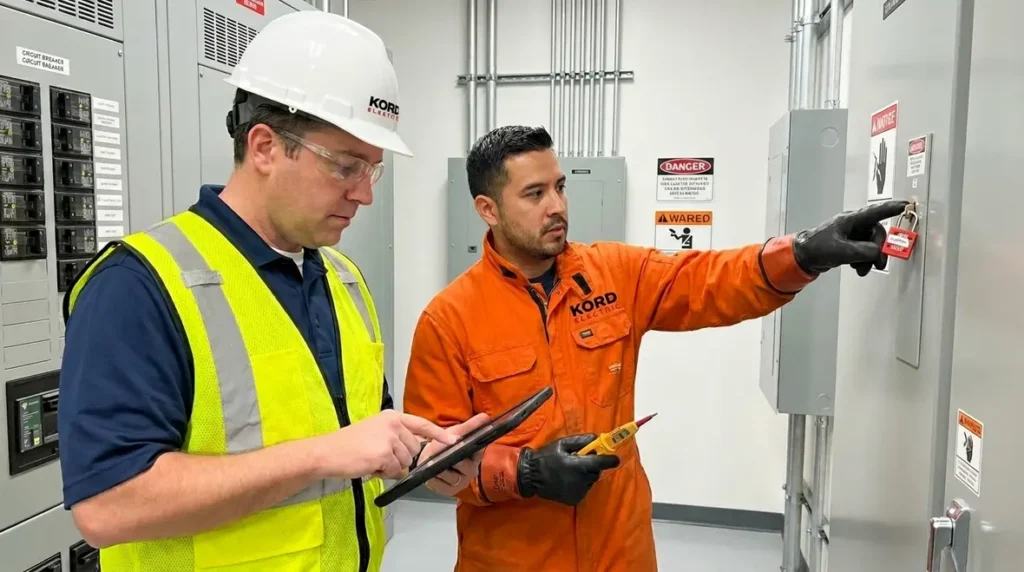
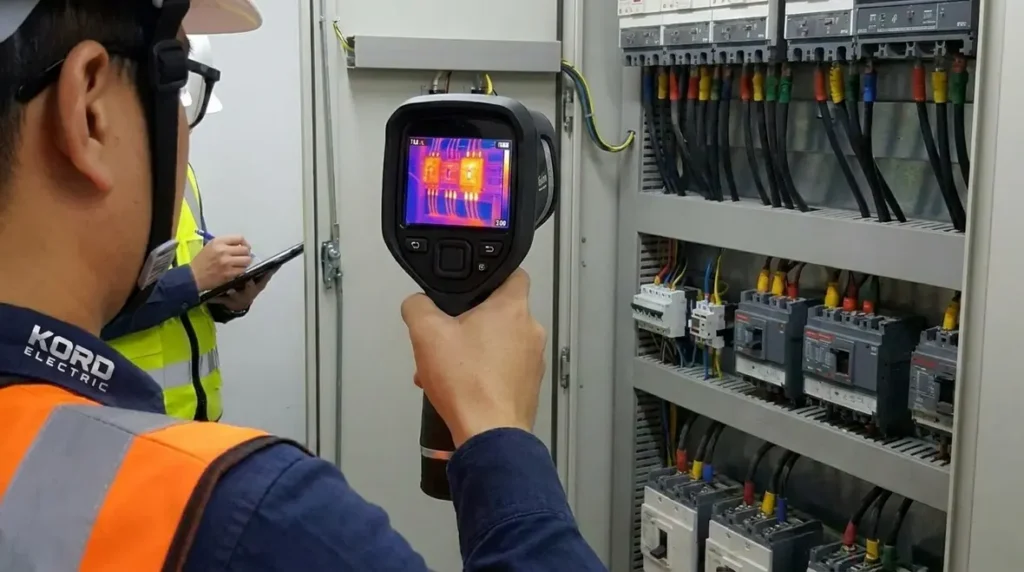
When we perform planned checks, our technicians look for the small clues: loosened connections, early insulation breakdown, abnormal temperature patterns, and signs of corrosion. Moreover, they verify protective devices operate within expected ranges. In other words, they make sure the system behaves like it is supposed to, not like it is negotiating with fate. And if you think that sounds dramatic, consider this: electrical faults do not send emails. They just show up, usually when your production schedule is already stressed.
The hidden costs that show up after “we’ll fix it later”
Skipping scheduled electrical maintenance may seem like a quick savings move. However, the true costs tend to hide in plain sight and they hit from multiple directions at once. First, when defects grow, they can trigger unplanned outages. Those outages rarely stay limited to one area. Then the cost expands into downtime, loss of output, emergency labor, rushed replacement parts, and overtime to restore operations.
Next, there are the less visible costs that do not look like a line item on day one. Poor power quality can degrade motors, drives, and sensitive controls over time. Even when equipment still runs, it often runs less efficiently, consumes more energy, and wears out sooner. Additionally, unresolved overheating in panels and connections can increase the risk of arc events and fire hazards, which raises insurance concerns and compliance pressure.
We also see documentation gaps. When a facility lacks a maintenance history, troubleshooting becomes slower, because nobody can prove what was inspected, what was found, and what was repaired. That makes repairs more expensive and delays restoration. Basically, your team spends more time guessing and less time fixing. And if your operation depends on tight timelines, guessing is not a strategy. It is a hobby.
How small electrical problems become expensive failures
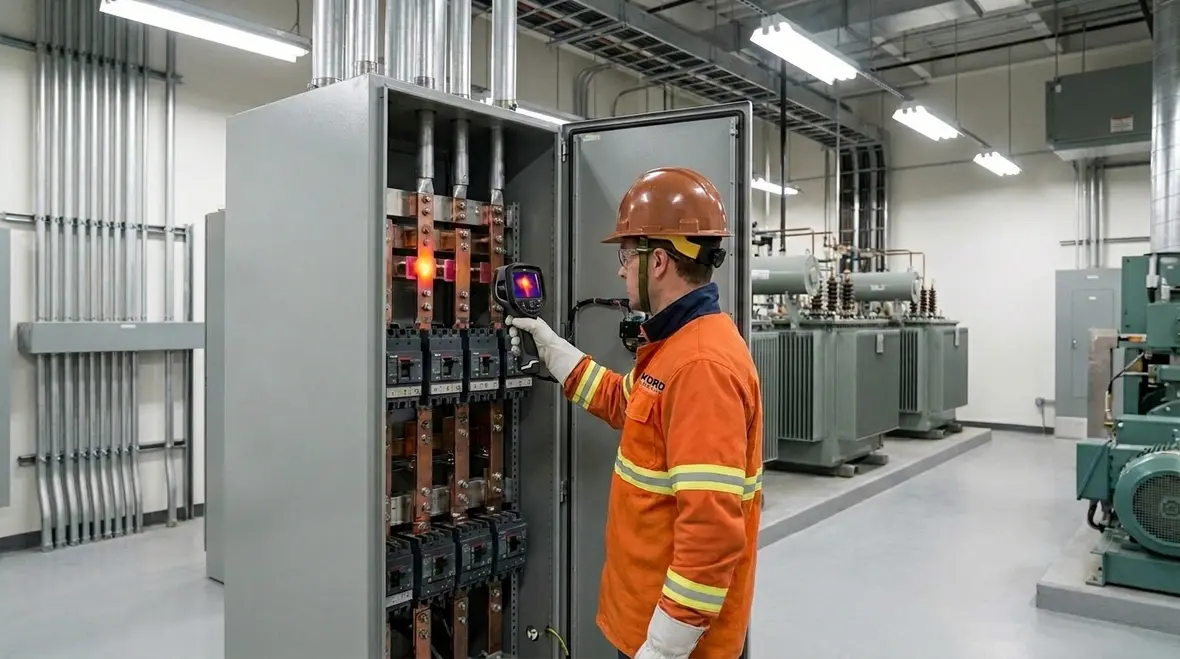
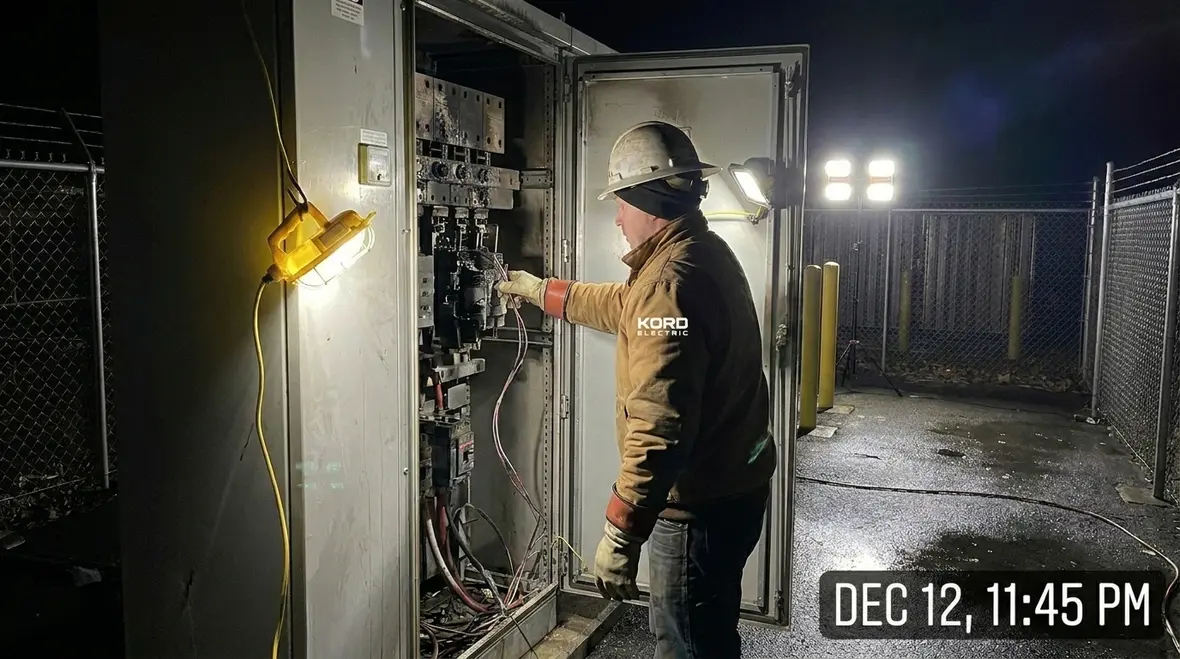
Electrical issues rarely start as big disasters. Instead, they begin as small imbalances that slowly build heat and stress. For example, a slightly loose lug in a panel can create resistance. Over time, that resistance produces hot spots, which can damage insulation and weaken the connection. Eventually, the circuit can trip, fail under load, or develop a fault that forces a shut down.
Moreover, worn components inside switchgear and protective devices can drift out of calibration. When that happens, protection may delay or misoperate during a fault condition. So while one part of the system appears to work, the safety layer can fail at the worst moment. And because many commercial and industrial environments run multiple shifts, problems can worsen between inspections without anyone noticing until the system “suddenly” behaves differently.
Our technicians explain what they find in clear terms, not in secret code. For instance, they may show you temperature readings, connection condition, and test results, then connect those findings to what they mean for your operations. We talk through the timeline of how damage develops, so your team understands why prevention costs less than reaction.
Risk, compliance, and business continuity in real terms
Safety and compliance are not just paperwork. They are operational priorities. When a facility skips planned electrical work, it increases exposure to events that can harm people and equipment. Arc flash risk grows with poor connections, aging insulation, and worn protective components. Likewise, inadequate maintenance can lead to noncompliance with internal safety expectations and external requirements that apply to commercial and industrial buildings.
Meanwhile, business continuity suffers. Unplanned electrical interruptions force facilities to improvise. Teams scramble for temporary solutions, procurement gets urgent, and production planning collapses into last minute decisions. Then leadership gets a call that no one wants to answer: “We have a problem and we need it fixed now.” We all know how that movie scene ends. Someone runs around, someone panics, and the building is not the only thing heating up.
By contrast, scheduled electrical maintenance helps keep systems stable. It also gives facility managers a predictable plan. Instead of reacting to emergencies, you can plan outages for the right time window and coordinate with production. That reduces disruption and improves confidence across operations, maintenance, and leadership.
Dual tracking: performance and budgeting that actually makes sense
In facilities with strict schedules, maintenance must support both uptime and cost control. So Kord Electric uses a two track approach when we plan scheduled electrical maintenance. We check operational health while also building a realistic, phased maintenance budget that aligns with how your site runs.
Performance track
We inspect, test, and verify that systems operate within expected performance ranges. We look for issues that affect reliability, power quality, and protective device function.
Budget track
We prioritize work based on risk and condition, so you spend where it matters most. As a result, your spending stays planned, not impulsive. Nobody wants to buy a replacement at premium pricing because a component failed unexpectedly.
Additionally, our expert service staff communicates findings and next steps in practical language. We do not just hand over reports and disappear. Instead, we discuss the “why,” the urgency level, and the best path forward. That means facility teams can make decisions with fewer surprises. And yes, fewer surprises is the closest thing to a superpower in facility management.
For facilities that want to go deeper on the benefits of scheduled electrical maintenance, our dedicated article on commercial and industrial electrical maintenance plans walks through how structured programs support long term reliability, documentation, and risk reduction across large properties.
What Kord Electric schedules for commercial and industrial electrical systems
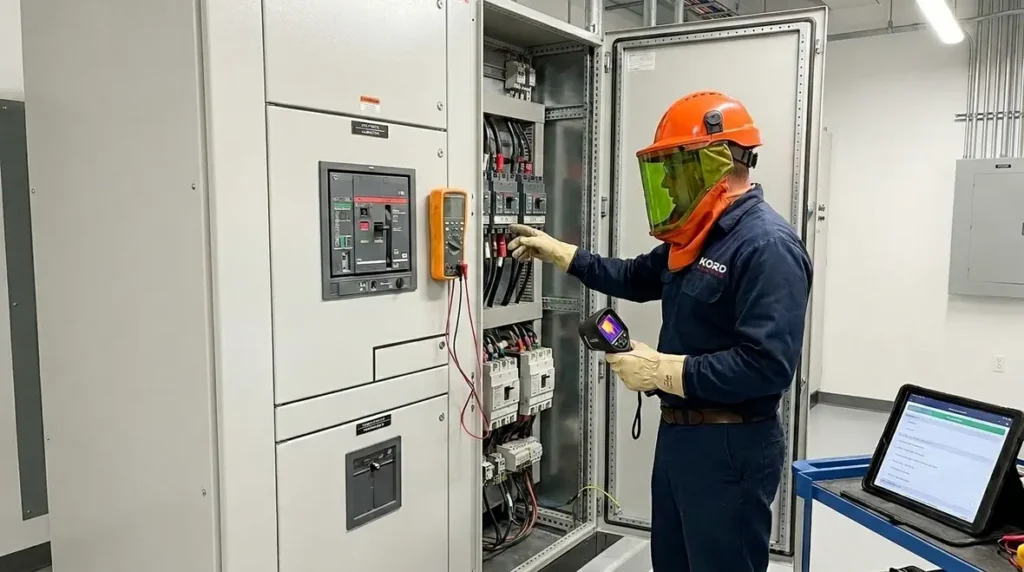
Every facility has different loads, equipment ages, and operating patterns. Still, scheduled electrical maintenance typically includes a structured review of distribution equipment, panels, switchgear, grounding systems, and key protective components. We also evaluate connections, inspect for signs of overheating, and test protective devices to verify proper operation.
Furthermore, we consider how your building uses power. A warehouse with constant motor loads acts differently than a processing facility with sensitive controls. Therefore, we tailor the maintenance plan so it supports your risk profile. Then we document results clearly, so your team can track changes over time.
Our technicians take pride in explaining what they are doing and why. If a condition requires attention, we say so plainly. If something can be monitored rather than replaced right away, we explain the reasoning. That transparency builds trust and helps your leadership team plan with confidence, instead of relying on assumptions.
If your facility relies on critical panels and switchgear, it can also be helpful to align scheduled electrical maintenance with standards based approaches like those described in our NFPA 70B electrical panels and switchgear maintenance guide, which focuses on structured inspections, documentation, and corrective actions for high value equipment.
Featured FAQ: scheduled electrical maintenance for large facilities
For facilities that want local, long term support, pairing scheduled electrical maintenance with regional expertise such as dedicated Los Angeles County electrical services helps align inspections, upgrades, and emergency response with the way your building and your local codes actually work together.
Schedule the work before the system schedules you
When your electrical system fails, it does not ask for permission and it does not care about your timeline. Kord Electric helps commercial and industrial facilities stay ahead of risk with scheduled electrical maintenance that supports uptime, safety, and smarter budgeting. Our technicians and expert service staff explain findings clearly and plan next steps you can actually act on. If you want fewer emergency calls and steadier operations, contact Kord Electric today to set up a maintenance plan for your facility.
If you are building a broader strategy, you can explore how scheduled electrical maintenance connects with focused services like electrical preventive maintenance programs and 24/7 emergency electrical services, so your facility benefits from both proactive protection and rapid response when something unexpected appears.