Warehouse Electrical Safety Audits Guide
Intro: warehouse electrical safety audits that keep your operation steady
In warehouses, small electrical issues can grow fast, and that is why routine warehouse electrical safety audits matter. We at Kord Electric focus on commercial and industrial facilities, where uptime is not a goal, it is the lifeline. During an audit, our team checks systems that power lights, lifts, refrigeration, chargers, panels, and control circuits. Then, we document risks in plain language and prioritize what to fix first. In other words, we help others stop problems before they turn into downtime, injuries, or expensive emergency calls.
What a routine audit actually finds in a warehouse
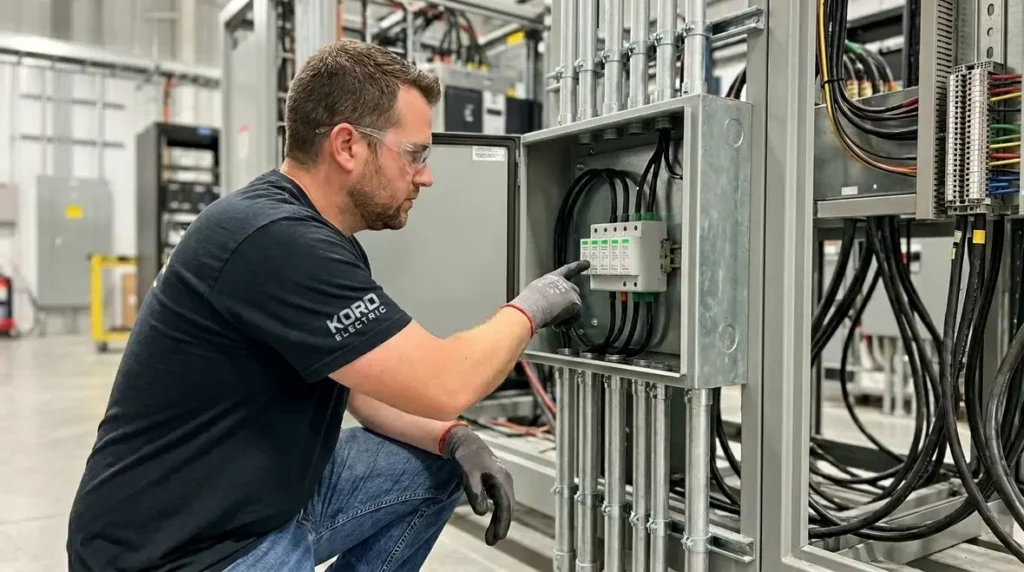
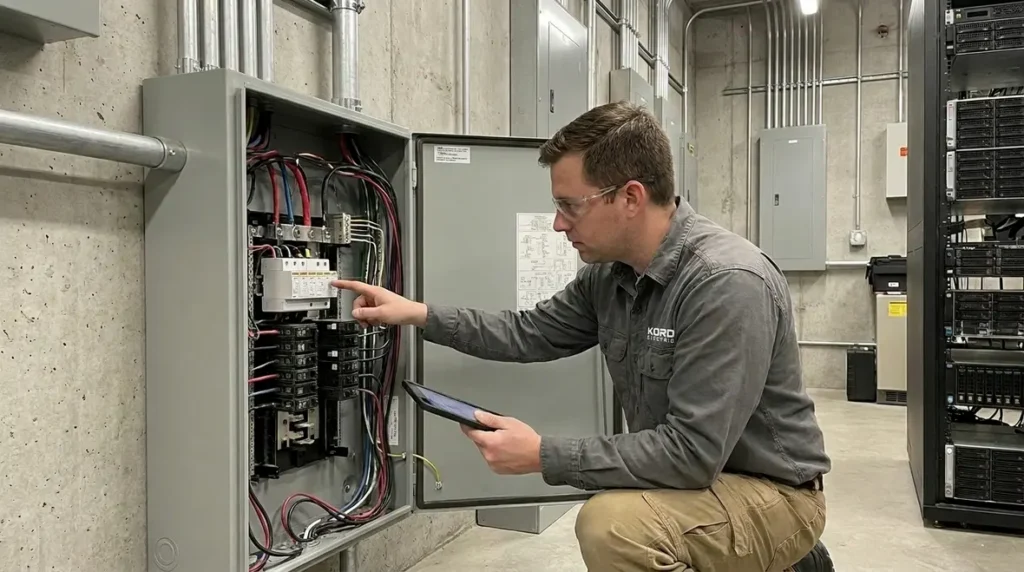
When we talk about warehouse electrical safety audits, we are not talking about a quick look that ends with a vague thumbs up. Instead, our expert service staff works methodically because warehouses are complex. First, they review distribution pathways, then verify protective devices, and finally inspect how equipment behaves under real operating loads.
Typical findings include worn terminations, loose connections, panel overheating signs, outdated breakers, and wiring routes that were changed during upgrades but never properly rechecked. Over time, forklifts, vibrations, and constant traffic can shift hardware. Also, dust and humidity affect insulation and cooling fans. As a result, a system that “worked yesterday” can quietly drift toward failure.
And yes, sometimes people treat electrical gear like it is immortal. Like the myth of the hydra, the bigger problem is that when one part fails, it pulls attention away from the rest. Our technicians help stop that chaos early.
Risk grows quietly, then costs loudly
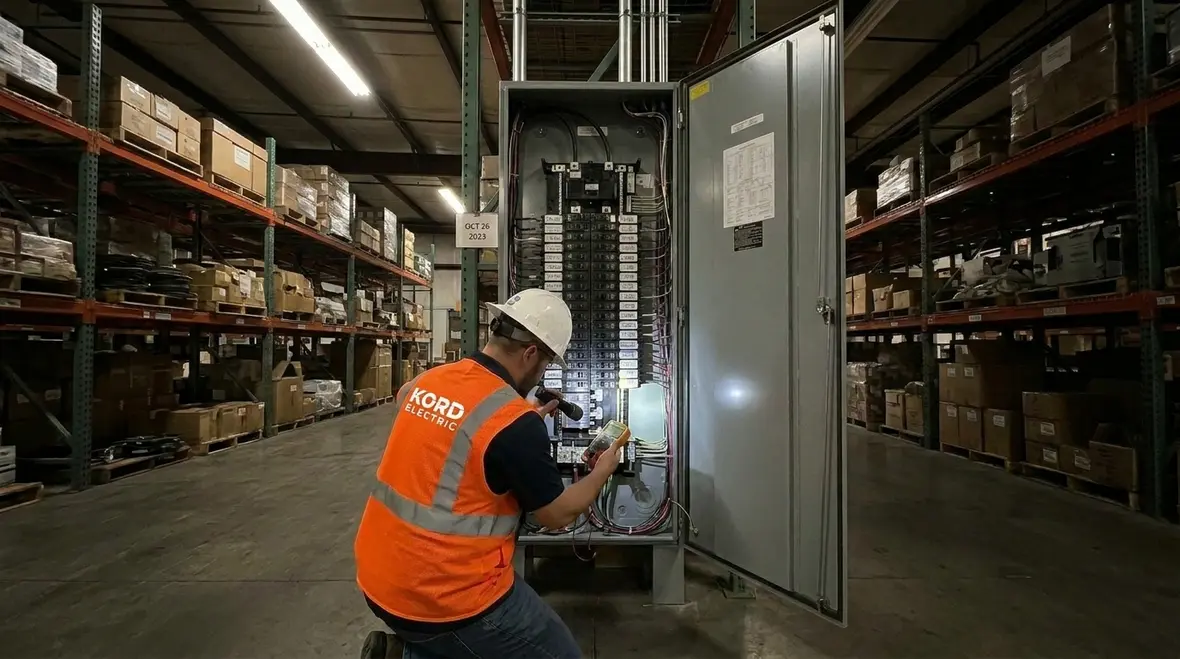
Warehouses run with tight schedules, so electrical risk does not always show up as a dramatic spark show. Often, it starts as a subtle pattern: lights dim in one zone, breakers nuisance trip, or certain circuits run hotter than expected. Then, it turns into a near miss, and eventually into an outage.
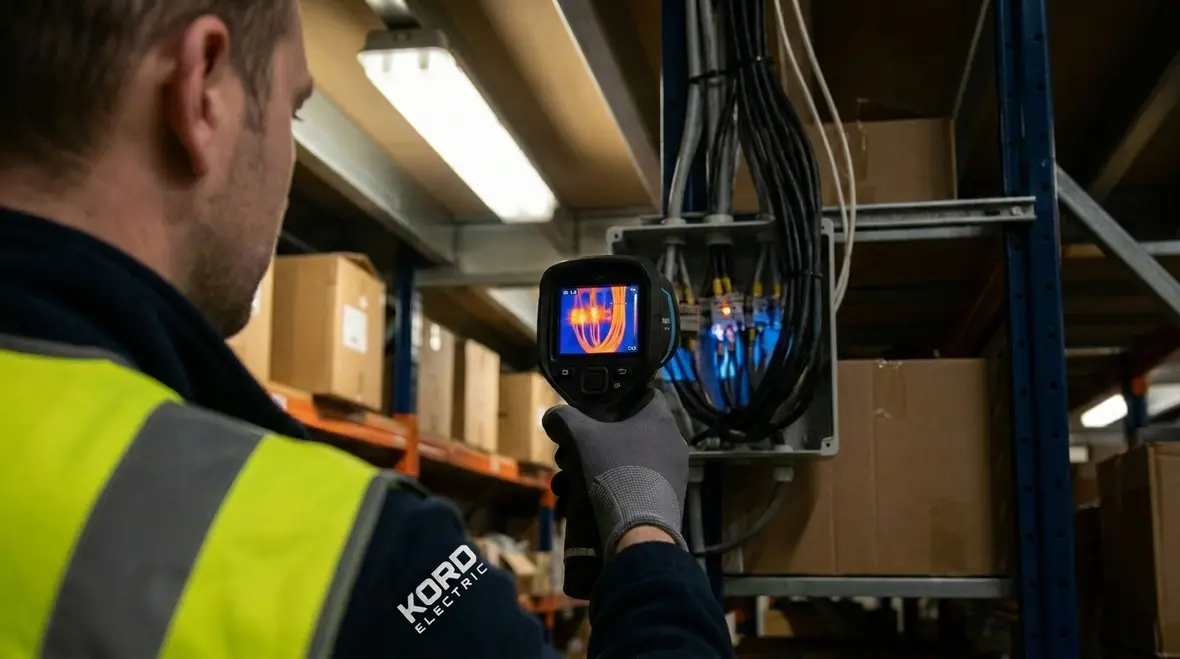
Here is how risk typically escalates. First, aging components increase resistance at connections. Next, increased resistance creates heat. Then heat damages insulation and expands metal parts, which can loosen connections further. Finally, the failure mode becomes harder to contain because it may involve multiple circuits.
In addition, many warehouses operate with high power demands. Motors, conveyors, dock equipment, and charging stations all add stress. Therefore, routine safety checks and load awareness matter. Our approach keeps you from guessing.
Protect people, not just equipment
In an industrial facility, the biggest story is always the humans working inside it. When electrical safety fails, the outcome can mean shock hazards, arc flash risk, burns, or fires that spread beyond the original area. We treat safety audits as a protection plan for everyone on site, from operators to maintenance staff.
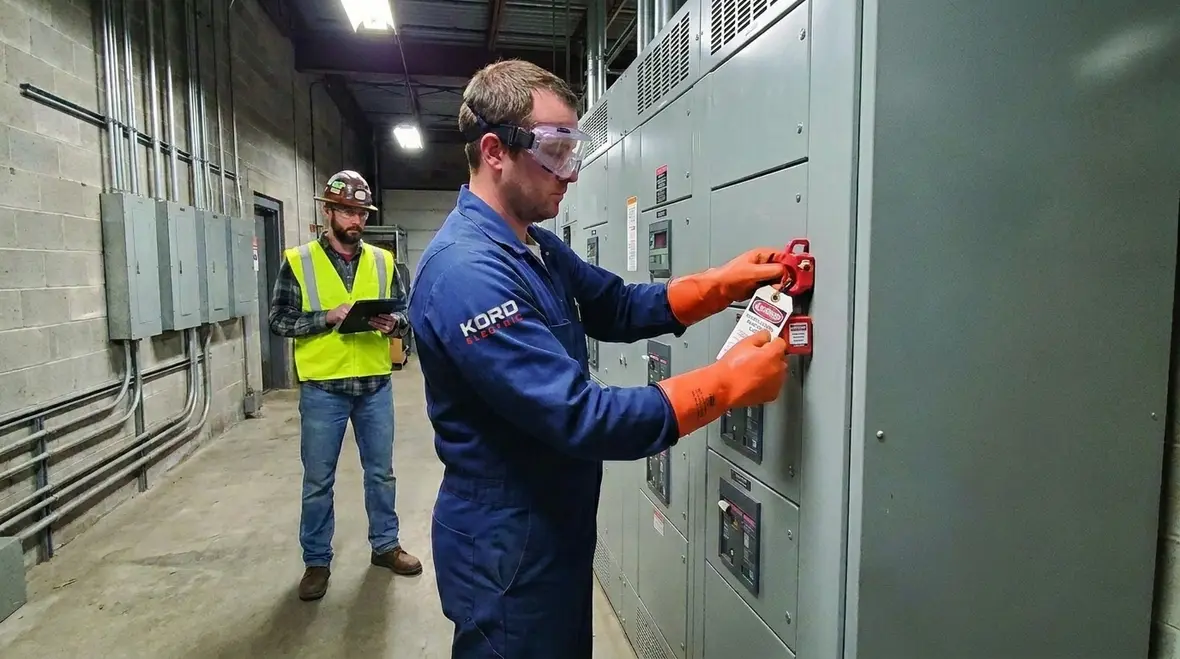
Our technicians also pay attention to how workers interact with electrical areas. For example, do panels sit behind blocked access? Are lockout and labeling practices clear? Are protective covers intact around conductors and junction points? Moreover, we look at the grounding and bonding systems that reduce dangerous voltage differences during faults.
It is easy to say “be careful,” and it is harder to build a safer environment. We build the safer environment.
Pop quiz for warehouse managers: when was the last time your electrical panels were checked with the same seriousness you use for inventory counts? If the answer involves a shrug, that is a sign.
Why compliance and documentation can save you later
Commercial and industrial facilities often face audits, insurance reviews, and compliance expectations. Routine warehouse electrical safety audits help you maintain records that show due diligence. Instead of reacting after an incident, you can show that you inspected, tested, and corrected risks in a planned way.
Our expert service staff helps organize findings so stakeholders can act. That includes a clear list of observations, recommended actions, and urgency levels. Also, we explain what the issue means in real operation terms, because paperwork that no one understands does not prevent incidents.
When questions come from insurers or internal leadership, documentation matters. It proves you took action, not just identified problems. And that is how you reduce friction, save time, and keep projects moving.
How audits tie to lighting, upgrades, and real costs
Electrical safety does not live in a vacuum. It affects and gets affected by ongoing improvements, especially lighting and power upgrades. For instance, if others plan to upgrade fixtures or controls, the audit results can guide what else needs attention, such as wiring integrity, panel capacity, and circuit loading patterns.
If a warehouse lighting project adds new drivers, smart controls, or increased fixture density, it can change the electrical picture. Therefore, we connect safety checks with practical upgrade planning. When you handle both, you avoid the classic scenario where lighting gets upgraded while an overloaded or deteriorating circuit quietly stays on the payroll.
In our experience, many teams start with a cost question, like the one explored in our commercial lighting upgrade cost guide. The guide highlights that costs often depend on scope, equipment choices, and the condition of the electrical system. In other words, the best “deal” is the one that does not require a redo because the wiring, protection, or distribution was not verified first. For warehouses, that verification is part of responsible work, not an optional extra.
Think of it like upgrading a restaurant kitchen. You can buy new appliances, but if the gas line is unsafe, you are not saving money. You are just accelerating the problem. Electrical upgrades follow the same rule.
Dual-column reality check: what we do versus what others often do
What Kord Electric technicians do
Inspect panels, feeders, and termination points for heat and wear
Verify protective devices match the equipment and load behavior
Check grounding, bonding, and continuity where it matters
Document findings so teams can act fast with clear priorities
What others often do
Wait for a fault, then call an emergency service
Replace a breaker without checking the connection or load source
Overlook hidden risks behind access panels
Keep notes scattered, so corrections never get scheduled

Best practices for scheduling and fixing issues
Once we complete an audit, the next question is what happens next. We help you plan repairs in a way that fits warehouse operations. First, we categorize findings by urgency, impact, and what can be corrected with minimal disruption. Then, we recommend a timeline that aligns with maintenance windows and major production schedules.
Also, we encourage repeatable routines. For example, check high use areas more often, especially where equipment runs continuously or where humidity and dust are higher. In addition, if you change processes, add new machines, or rewire portions of the facility, we recommend a follow up review. That way, the electrical system stays in step with how the warehouse actually operates.
And while it is tempting to push everything to the “next quarter,” we know warehouses do not pause. If a risk can escalate during normal operations, we move it up the list.
Small joke, big truth: electrical issues love delays. They treat waiting like a long vacation, and then they come back with interest.
FAQ: warehouse electrical safety audits
Conclusion: let’s prevent the next outage before it happens
Warehouses run on power, and power demands respect. Routine warehouse electrical safety audits help us identify risks early, document fixes clearly, and protect people and equipment without guessing. If your facility is commercial or industrial and you want a calmer, safer operation, we are ready. Contact Kord Electric and schedule an audit with our technicians or expert service staff. We will review your systems, explain what we find, and help you plan corrections that keep your warehouse moving.
If your warehouse is in Southern California and you need help beyond the audit itself, our team also provides a full range of Los Angeles County electrical services for commercial and industrial facilities, from emergency troubleshooting to planned upgrades and maintenance.
Together, a thoughtful warehouse electrical safety audit and a reliable service partner give you something every operation needs: fewer surprises, clearer decisions, and a safer place for your team to work.