Warehouse Electrical System Upgrades for Industry
<b>Kord Electric</b> supports <b>commercial and industrial</b> facilities with <b>warehouse electrical system upgrades</b> that keep modern equipment powered, protected, and ready to move. When a facility adds new lines, installs higher capacity racking systems, or brings in energy hungry machines, the electrical system can feel like it is wearing shoes that are one size too small. It hurts quietly at first, then it shows up as dim lights, nuisance trips, hot panels, and downtime that feels personal.
In this article, we explain how our expert service staff and technicians plan upgrades that match real load demands. We also walk through smarter distribution design, safety checks, and practical steps that help owners gain reliability without drama.
Why modern load changes strain older warehouse wiring
In commercial and industrial warehouses, equipment load never stays still. Forklifts get replaced, conveyors get upgraded, and suddenly the “small” new machine becomes the loudest guest at the party. However, older facilities were often built for a different power profile. Over time, extra panels, temporary cords, and ad hoc changes turn the system into a patchwork. Then the building starts to behave like a rental car with mismatched tires: it works, until it does not.
So we begin with the real question: what power are you actually feeding today, and what will you feed next year? Our technicians review historical usage, nameplate data, and operating schedules. Next, we map where peak load hits, which circuits age the fastest, and where voltage drops create problems. When we do this right, the warehouse electrical system upgrades work stops being guesswork and starts becoming a plan you can trust.
How we audit electrical capacity without guessing
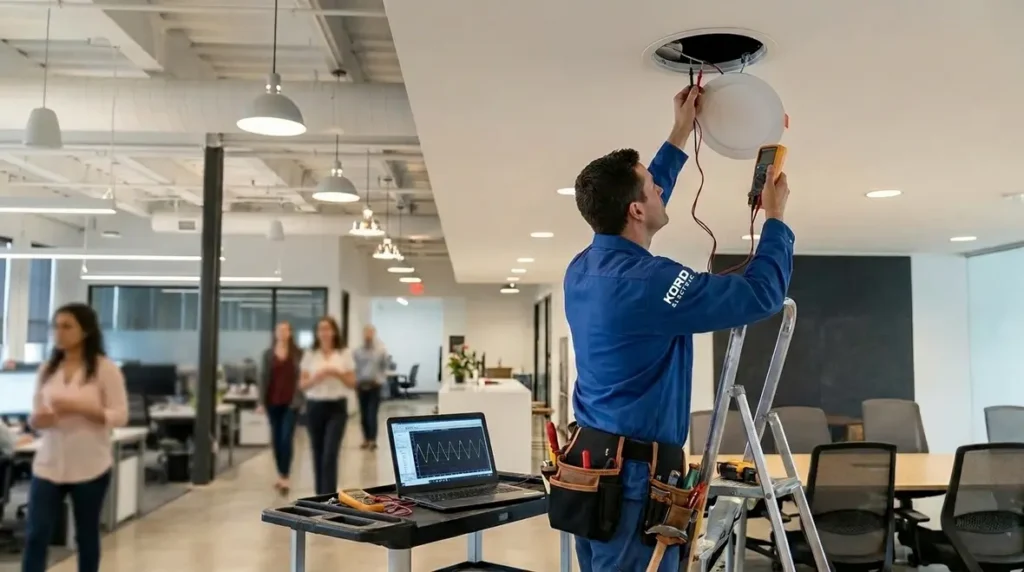
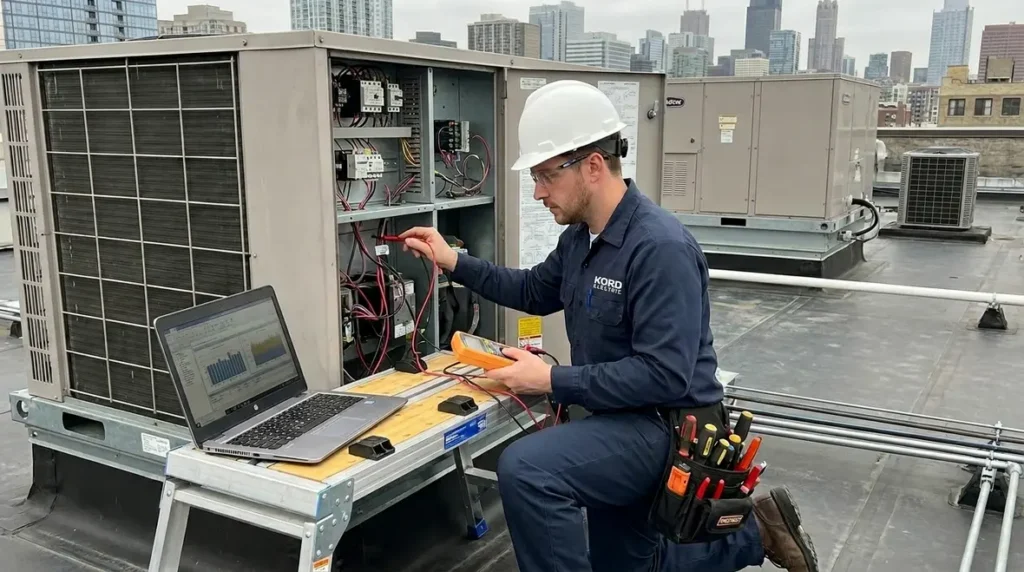
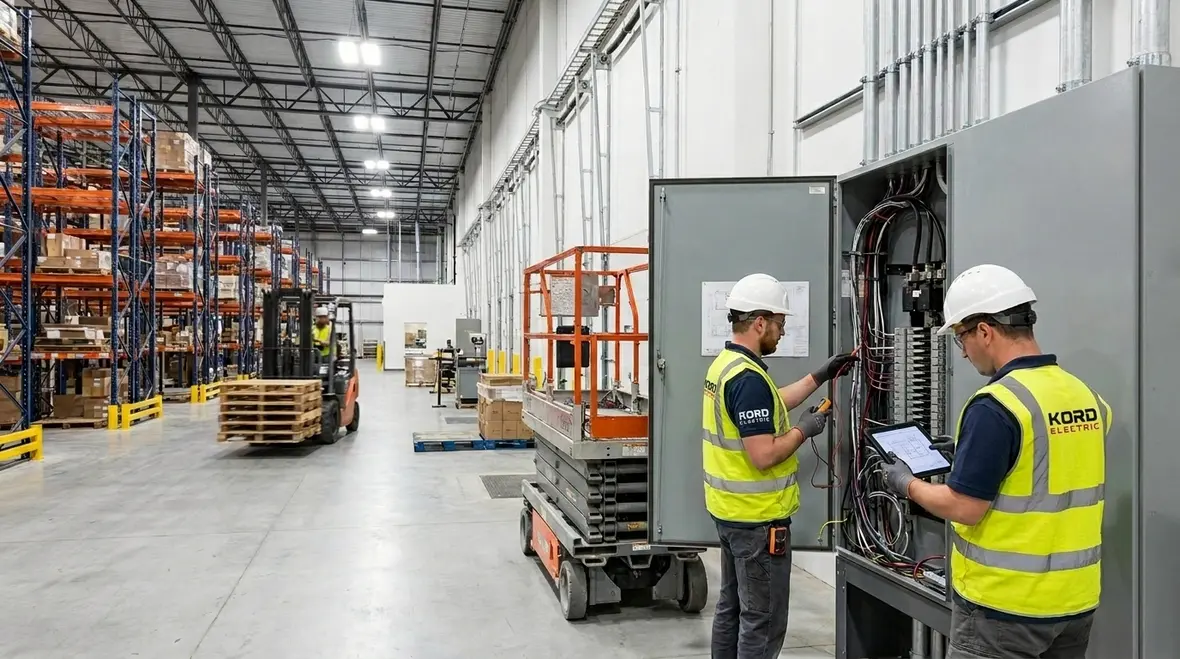
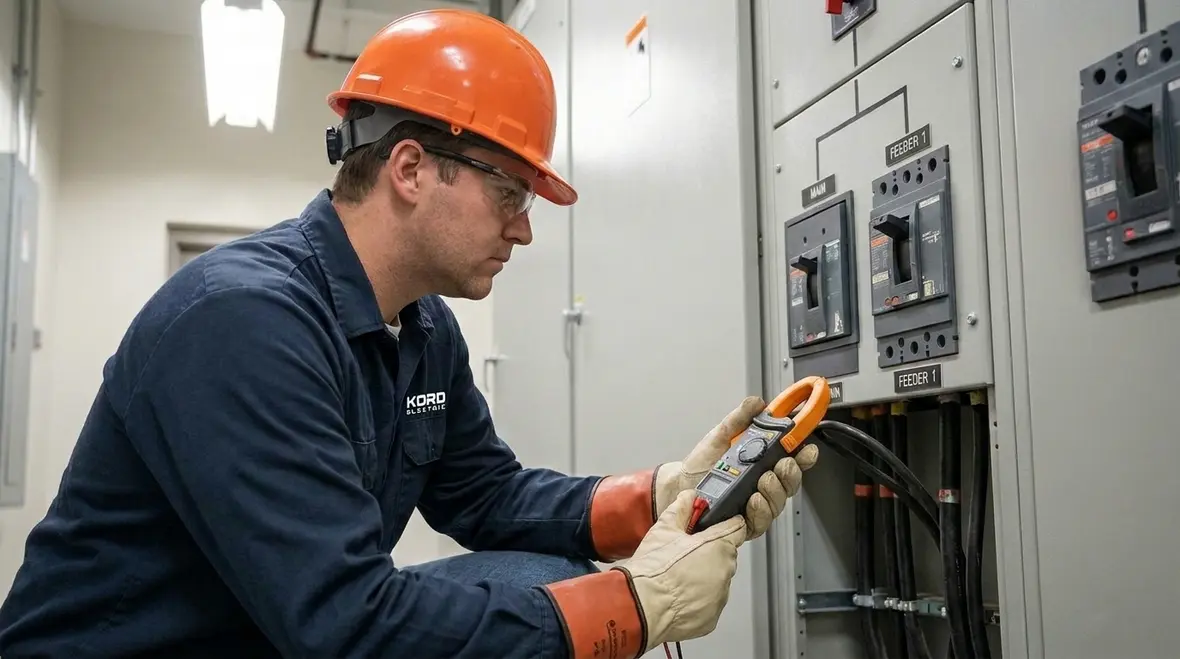
We use a structured audit process that makes sense on site and holds up under real-world conditions. First, our team inspects service equipment, switchgear, distribution panels, and feeder conductors. Then, we measure voltage, load balance, harmonic effects, and protective device settings. Finally, we check the physical condition of components such as bus bars, terminations, and insulation.
Why does this matter? Because “capacity” is not just a single number. A panel may be rated for a certain amperage, yet it can still fail due to overheating at connections or mismatched protective coordination. Additionally, older transformers may run less efficiently under new load patterns. And if someone added loads later without updating documentation, you get the electrical version of a “spare key” that was never labeled.
Our expert service staff explains what we find in plain language. They do not hide behind jargon. If we see an issue with wiring size, thermal performance, or grounding, we show where and why. From there, the next step becomes clear.
For facility teams that want to dig deeper into ongoing reliability, pairing these warehouse capacity reviews with structured preventive maintenance can create a long-term safety net. Programs like electrical preventive maintenance for commercial and industrial facilities help keep upgraded systems operating the way they were designed, instead of drifting back toward risk over time.
Upgrading distribution design for conveyors, HVAC, and charging
After the audit, we focus on distribution design that matches how warehouses actually operate. We think in zones, not just equipment. That means we separate critical systems, plan feeders for steady loads, and reserve capacity for motor starts, charging stations, and HVAC cycles.
For example, conveyor systems pull power in a way that can stress breakers during repeated starts. Meanwhile, HVAC may create demand spikes during peak warehouse hours. And when you add vehicle charging, the load profile changes again, often adding sustained draw. Therefore, our warehouse electrical system upgrades typically include improvements like updated bus sizing, new feeder routes, and reorganized panel schedules so the distribution system stops fighting the building.
We also pay attention to power quality. Modern equipment often uses drives and control electronics. As a result, harmonics can increase heating in conductors and transformers. When we add drives or replace motors, we plan for harmonics instead of pretending the issue will “go away.” If you have ever watched a breaker trip right when a shipping deadline hits, you know that optimism is not a maintenance plan.
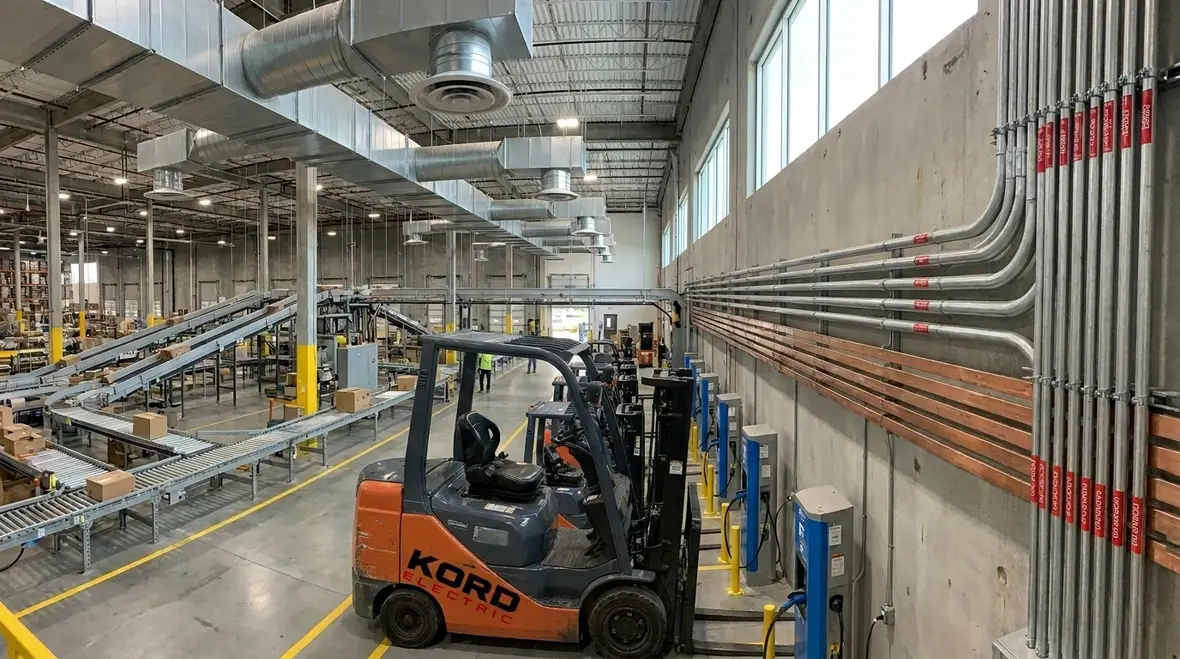
In facilities where EV equipment fleets or employee vehicles are part of the picture, coordinating these upgrades with a dedicated commercial EV charger installation plan helps avoid double work. By aligning warehouse electrical system upgrades with future charging demands, owners get a cleaner layout and predictable capacity instead of constant “add-on” projects.
Protective coordination and safety testing that holds up
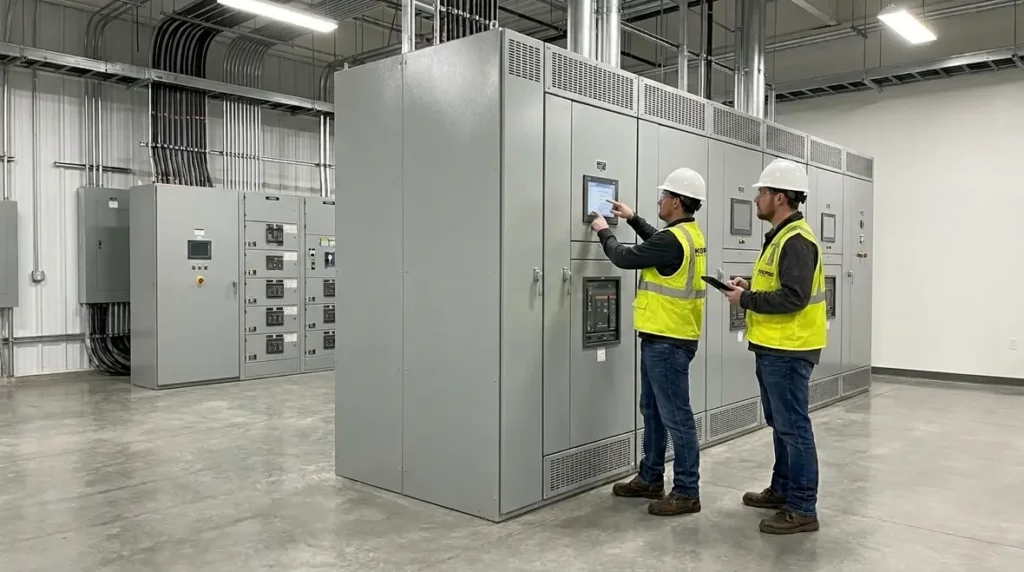
Reliability comes from more than power supply. It also comes from protection that responds correctly during faults and overloads. So we review protective device coordination from upstream to downstream. We confirm breaker settings, verify time-current curves, and check whether the system selectively clears faults without shutting down unrelated areas.
In addition, we test grounding and bonding performance because safety is the foundation. When grounding is weak or bonding is incomplete, fault currents do not behave as intended. This can create shock risk and also damage equipment. Next, we inspect arc-flash hazards and label the workspace for safe operation. Our technicians treat safety as a business decision, not a legal formality.
We also document changes carefully. That matters for maintenance teams and future upgrades. When the next contractor shows up, they should not have to play detective with outdated one-line diagrams. Our approach keeps your system understandable, which makes life easier for everyone, including the people who already have enough on their plate.
For owners who want a deeper dive into how disciplined safety and documentation tie into everyday operations, resources like Kord Electric’s guidance on hidden electrical risks in commercial buildings reinforce why a “looks fine from the outside” approach does not work for serious facilities.
Panels, switchgear, and feeders: what we replace and what we repair
Some facilities want the “replace everything” solution. We do not lead with that. Instead, we evaluate condition and risk. We replace components when they cannot support the updated load or when they show thermal or mechanical concerns. We repair or reconfigure what can be safely retained. In the best cases, we also clean and tighten connections, re-lug conductors, and update labeling so the system runs efficiently.
When we upgrade panels and switchgear, we plan for future growth. That means more than adding breakers. We consider bus capacity, short circuit ratings, and thermal margins. If the system is close to limits, we adjust the design instead of waiting for the next “surprise” shutdown.
Feeder work often becomes the backbone of the project. We size conductors for steady-state load and for start-up conditions. We also check termination quality and routing to reduce heat buildup. And because warehouses run hard, we coordinate installation schedules so operations stay safe and productive. Our team manages downtime windows and staging, because power work done right still needs to respect your workflow.
Many of these decisions overlap with broader reliability strategies. Property managers who are already exploring topics like commercial rewiring cost and long term system value will recognize the same themes: know your load, understand your risk, and invest where it truly changes outcomes.
Real implementation: scheduling, commissioning, and training
We build the upgrade plan around the facility, not around an ideal classroom. First, we align with your operations team for shutdown windows and logistics. Next, we stage materials and confirm cable and equipment compatibility. Then, we install, test, and verify before we fully energize.
Commissioning is where we separate “installed” from “proven.” Our technicians perform acceptance testing, verify protection settings, and confirm that power quality targets meet requirements. We also run checks that show the system responds correctly to operational states like motor startup and normal load cycling.
Finally, we train your team. This is one of the most overlooked parts of warehouse electrical system upgrades, and it matters. When maintenance staff understands what changed, they can spot early warning signs, keep systems running, and avoid chasing problems blindly. Our expert service staff takes time to explain the upgrade in a way your team can use, like translating a movie script so you can actually follow the plot.
In facilities where electrical reliability is tied directly to production schedules or tenant expectations, pairing this commissioning work with ongoing electrical preventive maintenance helps keep performance consistent long after the project wraps up.
How Kord Electric supports commercial and industrial properties
We focus on commercial and industrial facilities and major property buildings. That focus keeps our process sharp and our expectations clear. We understand the pressures: safety compliance, uptime requirements, and the reality that warehouses do not pause just because a project needs to breathe.
We also bring consistency. When others switch vendors mid project, the documentation trail becomes messy. With us, we keep clear records, provide helpful summaries, and maintain a transparent plan. Therefore, your stakeholders can review progress and make decisions without confusion.
And if someone tries to sell you a quick fix that ignores load planning, we will tell you straight. Like a wise uncle at a barbecue, we might sound calm while we disagree, but it is for your benefit. Reliable power is not a mood. It is a system design.
For organizations managing multiple facility types, it can help to see how the same disciplined approach applies in other high-demand environments. Articles like Kord Electric’s overview of data center electrical distribution design for reliability show how thoughtful coordination, maintenance planning, and real-world testing scale from server rooms to warehouse aisles.
FAQ
Ready to modernize your warehouse power?
If your facility runs new equipment but your electrical system feels stuck in the past, it is time to align the design with real demand. Kord Electric helps commercial and industrial teams plan and deliver warehouse electrical system upgrades that improve reliability, safety, and readiness for growth. Our expert service staff and technicians handle auditing, design, installation coordination, and commissioning. Contact us today to schedule an electrical capacity review and get a clear upgrade path your operation can actually live with.
As you plan your next steps, remember that warehouse electrical system upgrades pair naturally with related services like electrical preventive maintenance for commercial and industrial facilities. Together, they help transform one-time projects into long-term reliability strategies that keep warehouses ready for the next load increase, not surprised by it.