Backup Power for Retail Businesses Guide
Backup Power for Retail Businesses: What Keeps Sales Alive
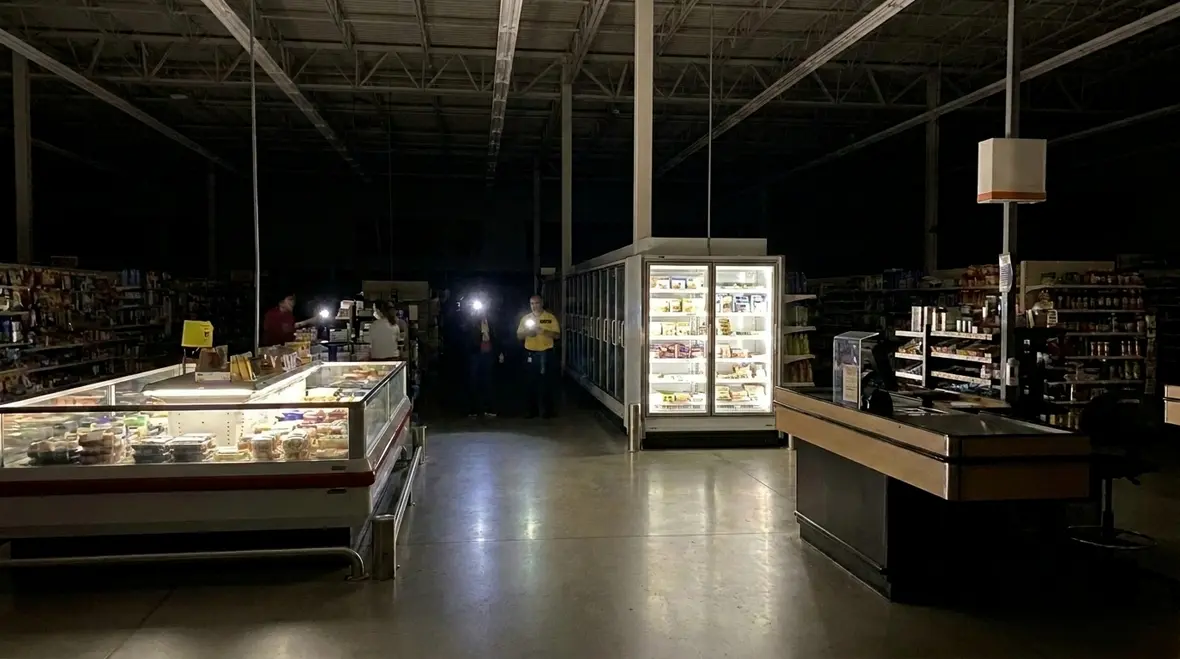
When a power interruption hits a retail space, the clock starts. Floors go dark, registers freeze, refrigeration warms, and customers decide they would rather shop somewhere that does not feel like a haunted mall. That is why backup power for retail businesses must be planned before something fails. At Kord Electric, our team focuses on commercial and industrial facilities and major property buildings, because those sites carry real risk and real cost. We help owners and managers choose backup power strategies that protect revenue, reduce downtime, and keep critical systems running through the outage.
Our approach is calm and methodical. Instead of guessing, we evaluate load needs, spot hidden electrical risks, and then design solutions that match how the building actually operates. And yes, while power loss is never funny, we do keep the process clear enough that your staff does not have to read a manual like it is a Netflix plot twist.
Hidden Electrical Risks in Commercial Buildings That Trigger Outages
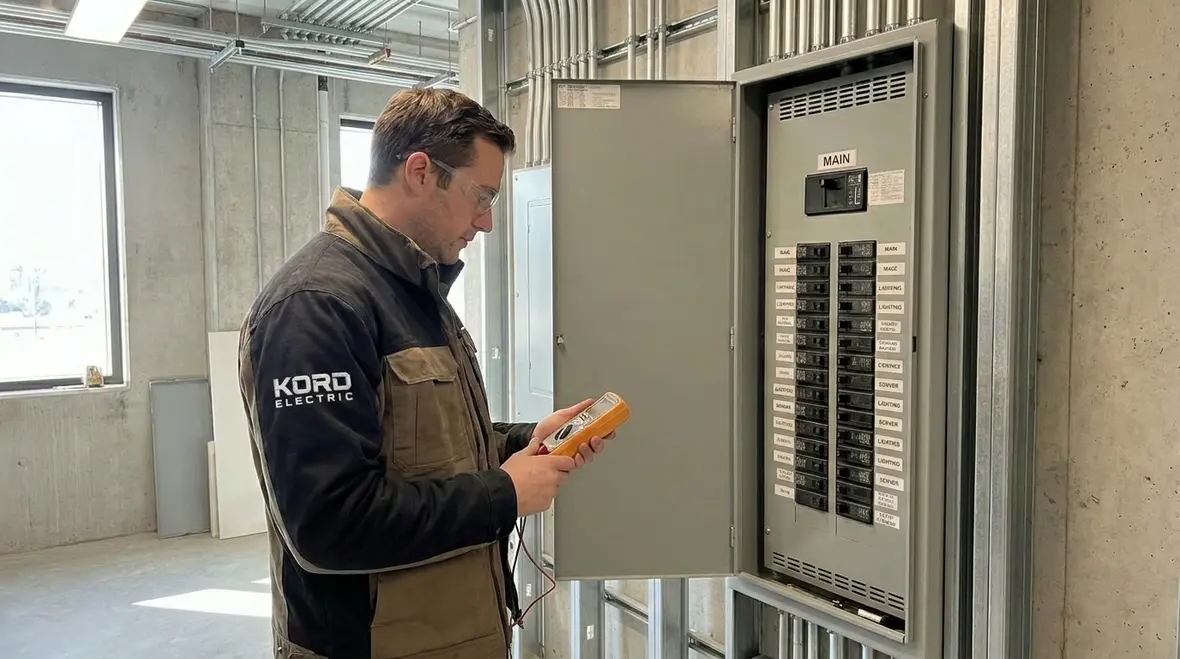
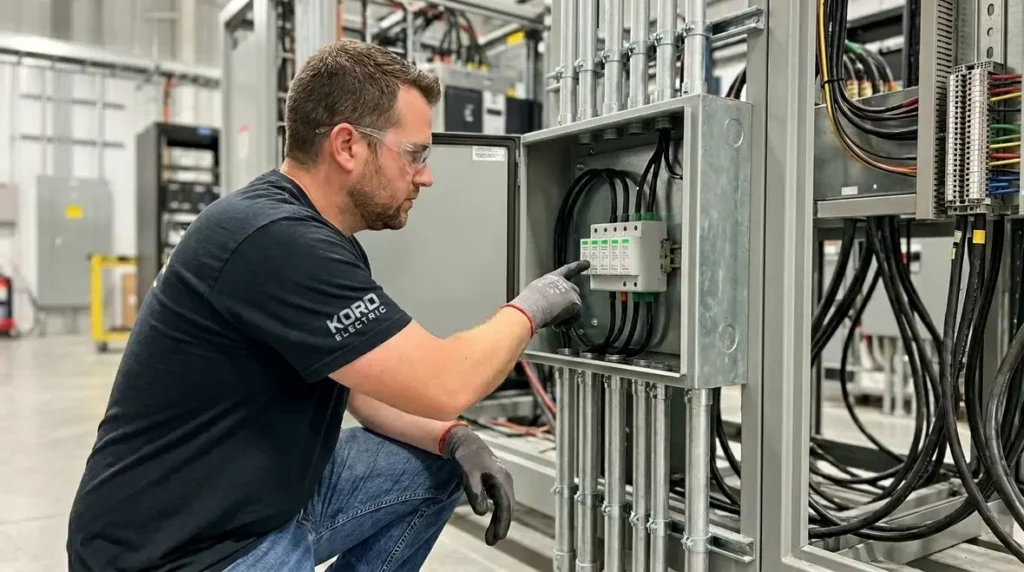
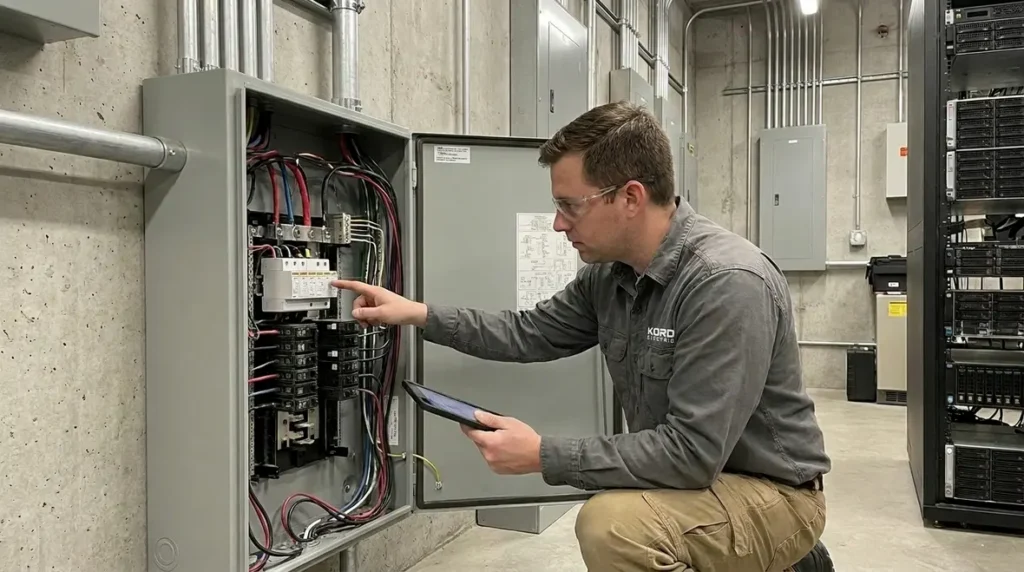
To protect revenue, others first need to understand what causes failures and why they escalate. In commercial buildings, outages rarely happen out of thin air. They often start as small issues that quietly build up over time, until a storm, a surge, or a single component failure turns into a full stop. On the Kord Electric blog, we highlight the kind of hidden electrical risks that can trigger trouble in commercial buildings, including overloaded circuits, aging panels, poor connections, and equipment that has drifted out of specifications. For a deeper look at these issues, see our article on hidden electrical risks in commercial buildings.
During an outage, those risks do not just cause lights to fail. They can also damage sensitive systems, create voltage dips that reset computers, and stress refrigeration and HVAC controls. Therefore, a strong backup plan must include prevention, not only replacement. In other words, backup power works best when the electrical foundation is sound.
Our technicians and expert service staff explain findings in plain language. They also show how a “minor” issue in a panel or a connection can become expensive when the backup system must carry critical loads under real conditions.
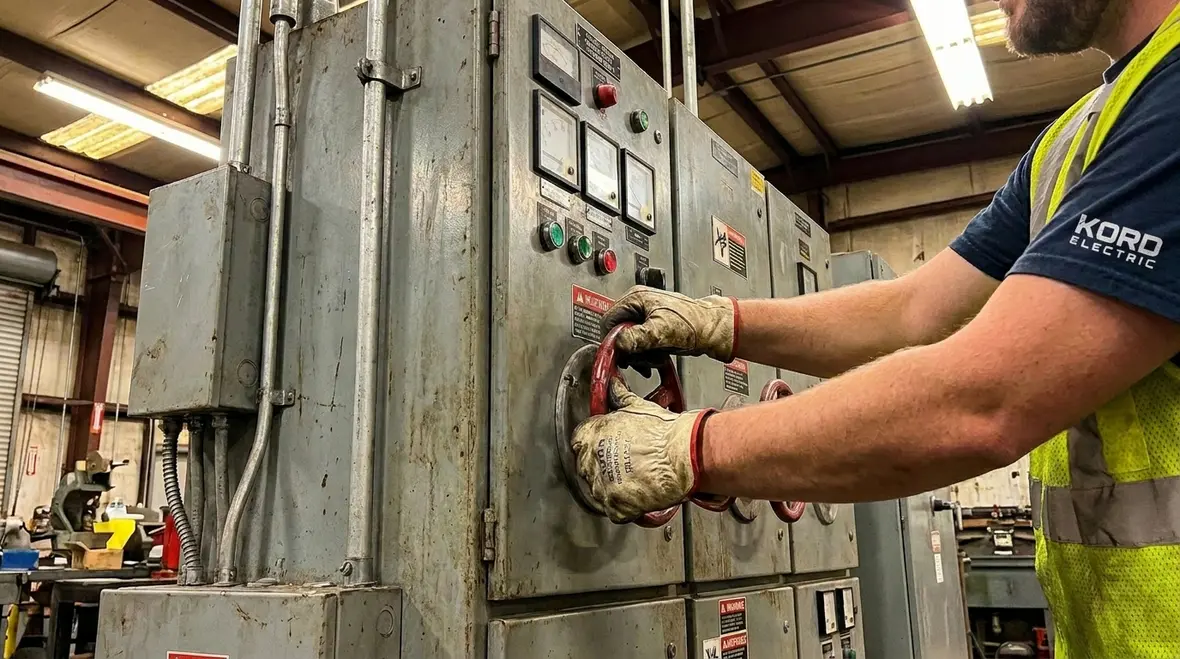
Load Planning for Retail: Protect the Right Circuits First
Backup power is not one size fits all. Retail spaces run on a mix of essential and non essential loads, and owners lose money when they power the wrong things. So, the first step is load planning. We help our clients identify which circuits must stay on to protect product, safety, and transactions, and which ones can wait.
Typically, Kord Electric focuses on systems like emergency lighting, point of sale equipment, access control, refrigeration, select HVAC components, and network gear that keeps payment and inventory tools alive. Then we account for startup surge loads, because motors and compressors often demand more power the moment they start. If someone ignores surge load, the backup system may start, then stall. Customers do not notice the math, but they do notice that the register screen never comes back. That is where revenue disappears.
We also help teams decide how many zones or stores to keep running simultaneously. For example, one location might need full refrigeration support, while another might prioritize life safety and customer checkout while allowing non critical areas to warm briefly.
Thoughtful load planning also pairs naturally with broader electrical strategies, from structured maintenance programs to outage investigations. For example, teams who want to understand why things trip before they design backup power often look at guidance like Kord Electric’s resources on emergency power failures in commercial buildings, because knowing how loads misbehave during a fault helps you choose what your generator should support first.
Switchgear, Transfer Systems, and Time to Restore Power
Now we come to the part that sounds technical, but affects your business directly: the transfer process. When mains power fails, the building needs a controlled way to move from utility power to backup power. That is where switchgear and transfer systems matter. A poorly designed transfer can create downtime, cause equipment resets, or even damage electronics.
At Kord Electric, we help clients select transfer solutions that match their risk tolerance and the types of loads they protect. Some systems require near seamless transfer for electronics and POS devices. Others can accept a short interruption, but refrigeration and life safety must be treated with respect.
Our technicians explain what happens in real terms during an outage. First, the system detects the failure. Then it isolates affected circuits. Next, it transfers the selected loads to backup power. Finally, it stabilizes voltage and frequency so equipment can operate normally. And yes, we use humor sometimes, because waiting for power restoration is bad enough without pretending it is exciting. Still, our job stays serious: we build confidence that your systems will respond like they were trained, because they were.
Generator Sizing and Fuel Strategy for Long Outages
Owners often ask about backup power duration. They ask, “How long will it run?” Then they learn the real answer depends on generator sizing and fuel strategy. A generator that is too small cannot carry the load, and a generator that is correctly sized still fails if the fuel plan does not match the outage reality.
We help clients estimate the load profile across typical operating conditions, then size the generator for steady operation and surge events. After that, we align the fuel strategy. That can include onsite fuel storage, delivery scheduling, and run time targets based on local conditions and the type of business they operate.
In commercial and industrial facilities, fuel and maintenance choices carry operational impact. Facilities managers do not want unexpected refueling emergencies. They want predictable service intervals and clear documentation. Therefore, our team includes practical recommendations so the backup plan does not become a “someday we will deal with it” problem.
Also, we remind clients that fuel systems need attention like any other critical equipment. Filters, tanks, and lines matter. If they do not get maintained, the backup plan becomes a wish, not a strategy.
Maintenance and Testing That Prevent Surprise Failures
Backup power must perform when things go wrong, not only during a monthly demonstration. That is why maintenance and testing are core parts of protecting revenue. Generators, transfer equipment, batteries, controls, and distribution components need ongoing checks, because components age quietly and failures show up loudly.
Kord Electric builds maintenance support around how commercial and industrial buildings actually operate. For example, testing schedules must consider peak business hours, refrigeration needs, and tenant or corporate activity. We coordinate with building teams so tests do not interrupt operations more than necessary.
Then we document results and track trends. If a control module shows drift, or if a transfer mechanism responds slower than expected, we treat that as a signal to correct it before an outage forces the issue. Over time, this reduces downtime risk and supports stable performance under real stress.
And while we cannot promise an outage will never happen, we can promise that your backup power will not act like it forgot its job. That is not luck. That is service.
Retail leaders who want to go deeper into the maintenance side of reliability often connect this work with structured programs like Kord Electric’s guidance on commercial and industrial electrical maintenance plans, using planned inspections and testing to keep backup systems ready instead of hoping they will cooperate on the worst day of the year.
Dual Approach: Prevention Plus Backup for Stronger Uptime
Here is the big truth others sometimes miss. Backup power helps, but prevention helps more. Therefore, Kord Electric emphasizes a dual approach. We combine backup power for retail businesses with electrical risk reduction in distribution equipment, connections, panels, and load management.
For major property buildings and commercial facilities, we look at the whole system, not just the generator. When hidden electrical risks exist, backup power can become a bandage over a deeper problem. For example, unstable voltage due to faulty connections can trip sensitive equipment even when the generator runs. If overloaded circuits keep pushing panels beyond safe limits, protective devices can behave unpredictably under transfer conditions.
Our technicians review the electrical environment, recommend targeted repairs, and then align the backup design with those improvements. As a result, the building does not just survive the outage. It recovers with less damage and less delay.
In practical terms, that means fewer “mystery resets” at the register, fewer refrigeration surprises, and fewer moments when the staff has to become electricians in a crisis. That is good for morale, and it is good for profit.
This dual approach also connects naturally with broader power quality and distribution choices. Articles such as Kord Electric’s work on electrical distribution for data-heavy environments and their breakdown of emergency failures in commercial buildings give facility teams a bigger picture view of where prevention and backup intersect, so retail locations can keep both everyday operations and outage response aligned with the same strategy.
FAQ for Retail Backup Power and Outage Readiness
Conclusion: Secure Uptime with Kord Electric
If a power outage can shut down checkout, warm refrigeration, or slow down recovery, then it threatens revenue in a way owners feel immediately. Kord Electric helps commercial and industrial facilities and major property buildings build backup power strategies that protect the circuits that matter, prevent surprise failures, and reduce downtime. Contact us to assess your electrical risk, plan load priorities, and design a backup system your team can trust. Let us handle the wiring and the engineering, while you keep the store operating.
For multi site owners in California and especially in and around Los Angeles County, that strategy can also connect directly to broader service support. When you are ready to fold backup power for retail businesses into a comprehensive electrical plan, explore how Kord Electric’s Los Angeles County electrical services support everything from panels and preventive maintenance to emergency response for commercial and industrial properties.
And if you want to understand how problems start before you invest in protection, pairing this guide with Kord Electric’s article on hidden electrical risks in commercial buildings gives you a fuller picture of the vulnerabilities inside large retail and commercial spaces, so your next outage plan is built on insight instead of guesswork.