Commercial Electrical Safety Audits for Reliability
Commercial electrical safety audits: the quiet advantage every building needs
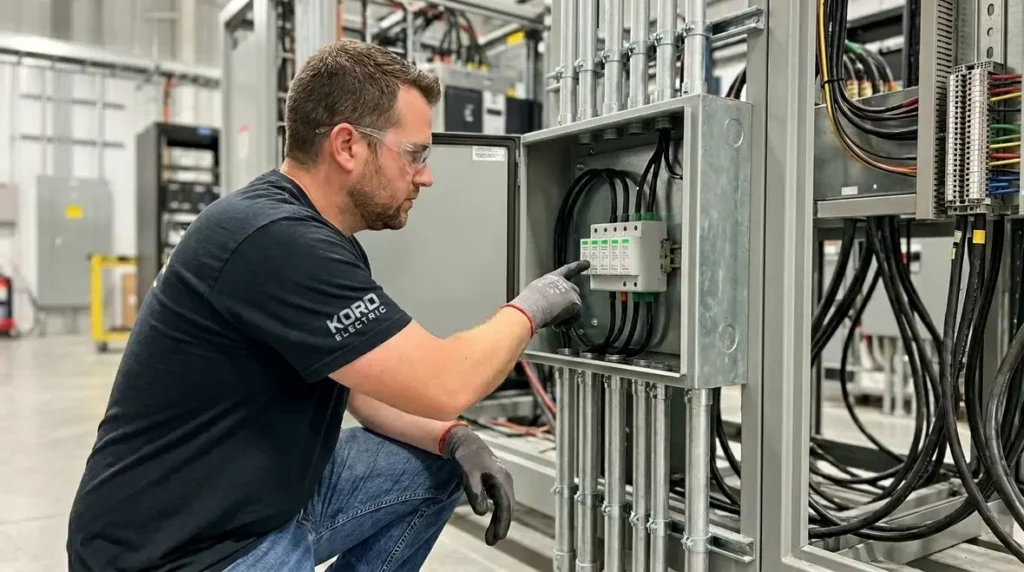
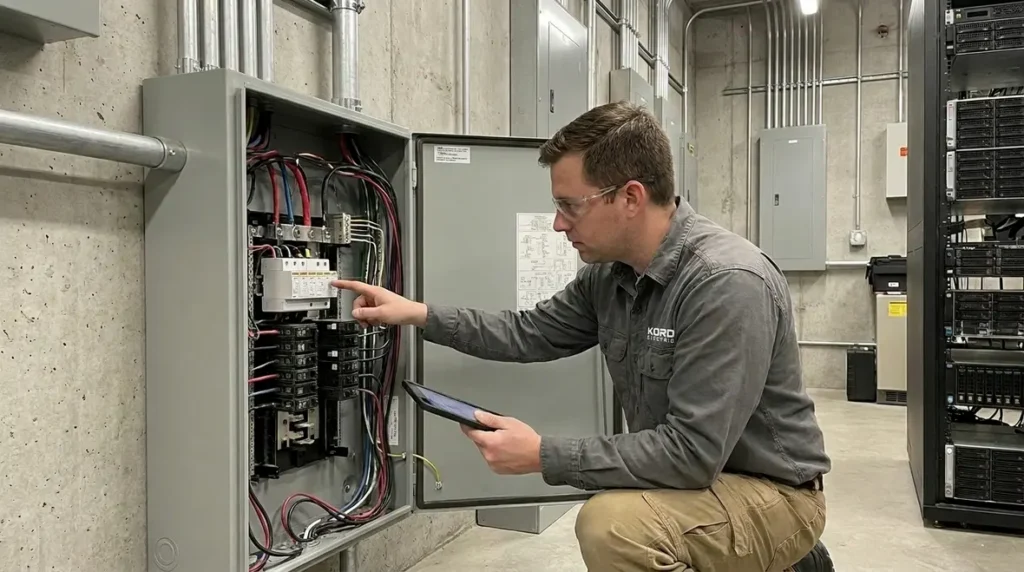
At Kord Electric, we run commercial electrical safety audits for commercial and industrial facilities and major property buildings. We treat these checks like a calm, methodical walkthrough of your electrical system, not a dramatic “gotcha” inspection. From day one, our team identifies risks that can hide in plain sight, then recommends practical fixes you can schedule before they become emergencies. Because in the real world, electrical issues rarely announce themselves like a movie villain. They show up as flickers, warm panels, nuisance trips, or slow degradation that only gets worse. And so, we help owners stay ahead while keeping operations steady.
In the sections below, we explain the key benefits of periodic electrical safety audits, how our technicians explain findings in plain language, and what to do next so your facility stays dependable. Let us make safety feel less like paperwork and more like control.
1) What periodic electrical safety audits prevent before they disrupt operations
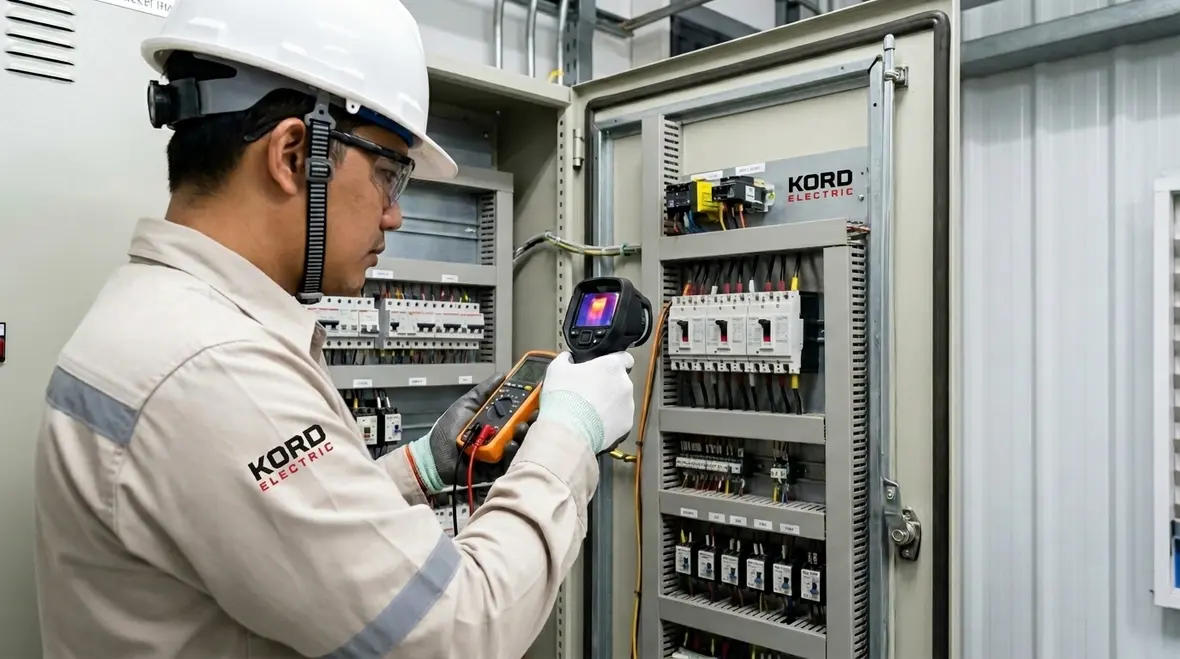
Periodic electrical safety audits help reduce the chance that small problems turn into major downtime. When we return on a regular schedule, we compare system behavior over time. That means we do not just spot issues, we also track trends such as recurring breaker nuisance, rising contact resistance, or signs of overheating in feeders and panels. As a result, we can recommend fixes based on what the building actually shows, not what guesswork hopes for.
Additionally, we help teams reduce the risk of shock, arc flash events, and fire hazards. Electrical safety is not just a compliance checkbox. It protects people, equipment, and the revenue tied to uninterrupted production. Even the best facilities can suffer from aging components, improper modifications, or changes in use that increase electrical load. Therefore, audits act like a steady early warning system.

2) Better reliability through documentation and measured improvement
Many facilities have electrical “tribal knowledge,” where someone remembers a past repair but no one can prove the details. We see this pattern across large buildings and industrial sites, and it often leads to repeat failures. During commercial electrical safety audits, our technicians build clear documentation: what we observed, what we tested, and what we recommend. Then we help others interpret those results in a way that supports maintenance planning.
Because audits focus on measurable conditions, owners and facility managers can prioritize the work that matters most. Instead of tackling everything at once, we rank issues by potential risk and impact to operations. Next, we align electrical recommendations with shutdown windows and ongoing schedules. That means fewer surprises, fewer “why did it fail now?” moments, and more reliability you can trust.
Over time, this documentation becomes part of your broader reliability strategy. When paired with structured programs like electrical preventive maintenance for commercial and industrial facilities, your building gains a consistent feedback loop between inspections, service work, and performance results. Instead of reacting to failures, you steer the system toward predictable, steady operation.
3) Risk reduction starts with targeted inspections, not random checks
Here is the difference that matters. A strong audit does not wander aimlessly through panels like a tourist on a ladder. It follows a structured plan that targets the areas where failure risk concentrates. For commercial and industrial environments, that includes switchgear, distribution panels, grounding and bonding points, conductor terminations, overcurrent protection, and signage or labeling that supports safe work.
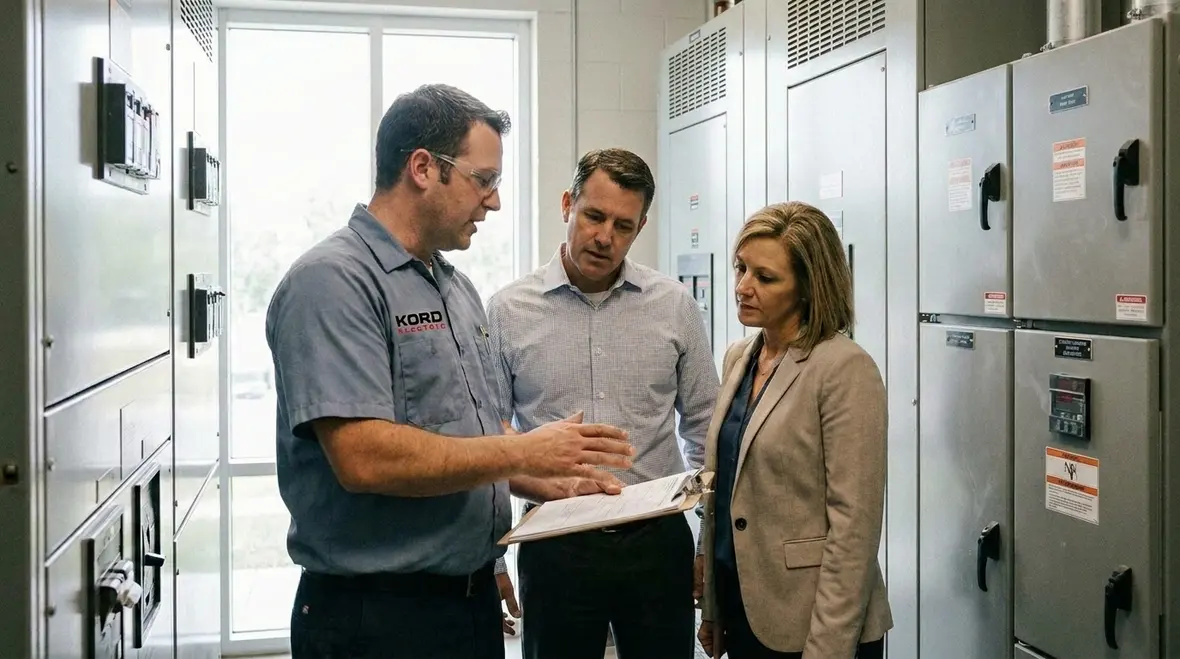
Our expert service staff then explains each finding with context. If an issue relates to loosened connections, we explain what that means for heat generation and long term performance. If it involves protective devices, we explain what that could mean for fault clearing and coordination. When people understand the “why,” they make better decisions. And when the decisions get made early, safety improves without turning the building into a construction zone.
We also pay attention to how electrical systems operate under real conditions. For example, changes in production schedules, tenant loads, or added equipment can overload parts of the system over time. Therefore, periodic checks help confirm your system still matches its job.
4) Safety culture improves when findings get explained clearly
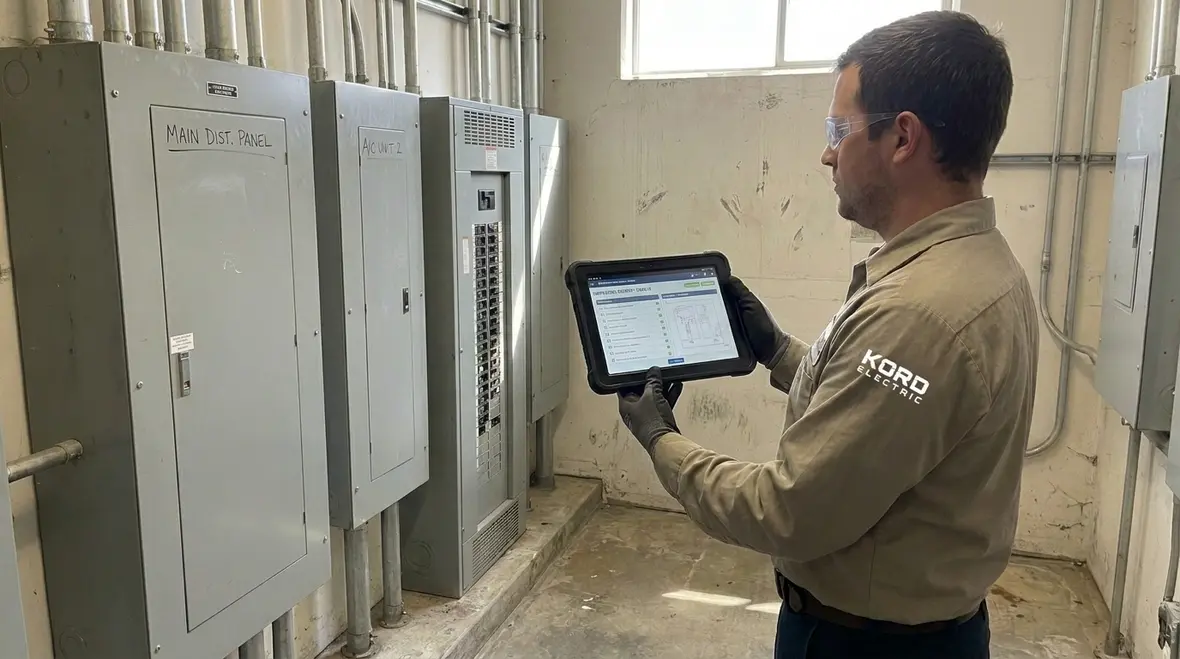
In many facilities, safety communication breaks down because technical results land like a foreign language. Kord Electric avoids that. Our technicians walk facility stakeholders through the findings, and we explain the risks in plain, direct terms. Meanwhile, we avoid vague recommendations that sound good but do not guide action.
When our team shares results, we connect them to real work practices. For instance, if labeling or access creates hazards for maintenance staff, we note it clearly. If protective equipment needs attention for safe clearing, we explain how it affects fault response. Additionally, we help teams connect the audit outcomes to safer procedures and better planning.
And yes, sometimes we even make it a little less painful. A miswired device can feel like a plot twist from a sitcom, but we keep the focus on fixes that reduce risk. Safety should not feel like punishment. It should feel like leadership.
5) Compliance support that does not stall your business
Commercial and industrial facilities often face ongoing requirements tied to electrical safety practices. Audits help support those responsibilities by identifying gaps and documenting what needs correction. However, our goal stays practical. We do not simply point at issues and disappear.
Instead, we help owners and building teams build a path forward. We outline recommended actions, the urgency level, and how the fixes align with typical safety expectations. Then we help coordinate work planning so facilities do not lose critical uptime. In other words, audits help keep your compliance efforts connected to real-world operations, not trapped in a folder.
Also, periodic electrical safety audits make it easier to track improvements over time. When your system updates, your documentation should update too. That is how safety stays current as your building changes.
For many teams, this is also when broader code references enter the picture. Resources like Kord Electric’s guides on NFPA 70 and the National Electrical Code and NFPA 70A vs NEC for commercial compliance give facility managers more context on how audits, documentation, and ongoing electrical work fit into the bigger compliance picture.
6) How we prioritize repairs after an audit
Not all findings carry the same weight. A periodic review should separate “watch it” from “fix it now.” Kord Electric prioritizes next steps based on risk and how the issue affects safety and reliability. We consider factors such as overheating indicators, condition of connections, grounding integrity, protective device performance, and the likelihood of recurrence.
Because every facility operates differently, we also consider operational impact. Some repairs can wait for a planned shutdown, while others need earlier attention. Our technicians and expert service staff then help stakeholders understand which work supports the highest safety return. That approach prevents spending money on low-impact tasks while bigger risks linger.
Afterward, we help teams plan a repeatable maintenance rhythm. This keeps the system stable, reduces emergency callouts, and supports long-term performance across commercial and industrial settings. For facilities across the region, this often ties into broader support such as structured Los Angeles County electrical services for commercial and industrial operations that align inspections, repairs, and future upgrades.
7) A deeper look at common hazards we uncover
Electrical hazards often start small. Over time, normal wear, poor workmanship, or building changes create weak points. During periodic audits, we frequently see conditions like loose or corroded terminations, missing or damaged insulation barriers, worn components in distribution equipment, inadequate bonding paths, and labeling that no longer matches reality.
Additionally, we observe systems that faced modifications without full integration. Perhaps a piece of equipment was added, a circuit was repurposed, or a panel got reworked under time pressure. Those changes might work today, but they can increase risk later. As load grows and components age, problems that seemed minor can become significant.
We also pay attention to protective device behavior. If breakers trip too often or fail to clear faults as expected, the result can be unsafe conditions and equipment damage. Therefore, our audit process focuses on what makes the system respond correctly during abnormal events.
8) FAQs about commercial electrical safety audits
FAQ quick answers side-by-side
What do audits improve?
Safety, reliability, and clearer documentation that supports maintenance decisions.
Why are periodic checks important?
Electrical systems change with age, load, and modifications, so risk can quietly grow.
Conclusion: let us schedule your next safety audit
If you manage a commercial or industrial facility, you already know that electrical problems rarely stay small for long. Kord Electric helps you catch risks early with commercial electrical safety audits, clear documentation, and technician explanations your teams can act on. We prioritize repairs based on real safety impact and operational needs, so you protect people and keep systems running. Reach out today and we will help set up a practical audit schedule for your building.
For facilities that want to connect audits with long-term performance, our team also supports broader service strategies—from preventive maintenance programs to Los Angeles County electrical services for complex commercial and industrial sites. That way, your next audit is not just a report. It is the starting point for a safer, more reliable electrical system.