Common Commercial Electrical Issues and When to Call the Pros
At Kord Electric, we use practical commercial circuit troubleshooting techniques right from the first visit. That means we identify the symptom, trace it back through load behavior, and verify what the equipment is actually doing, not what it should be doing on paper. Then, we document the circuit path, check protection devices, and confirm readings under real operating conditions. In other words, we treat electrical problems like a mystery, except the culprit usually is a loose connection or a worn breaker that has been quietly suffering since last decade. And yes, we still hear people say, “It only trips when we run everything.” That is not a bug, that is a clue.
Below, we lay out the issues we see in commercial and industrial facilities and major property buildings, plus the exact moments when calling our expert service staff saves time, money, and headaches.
Signs Your Commercial Panels Are Not in a Peaceful Mood
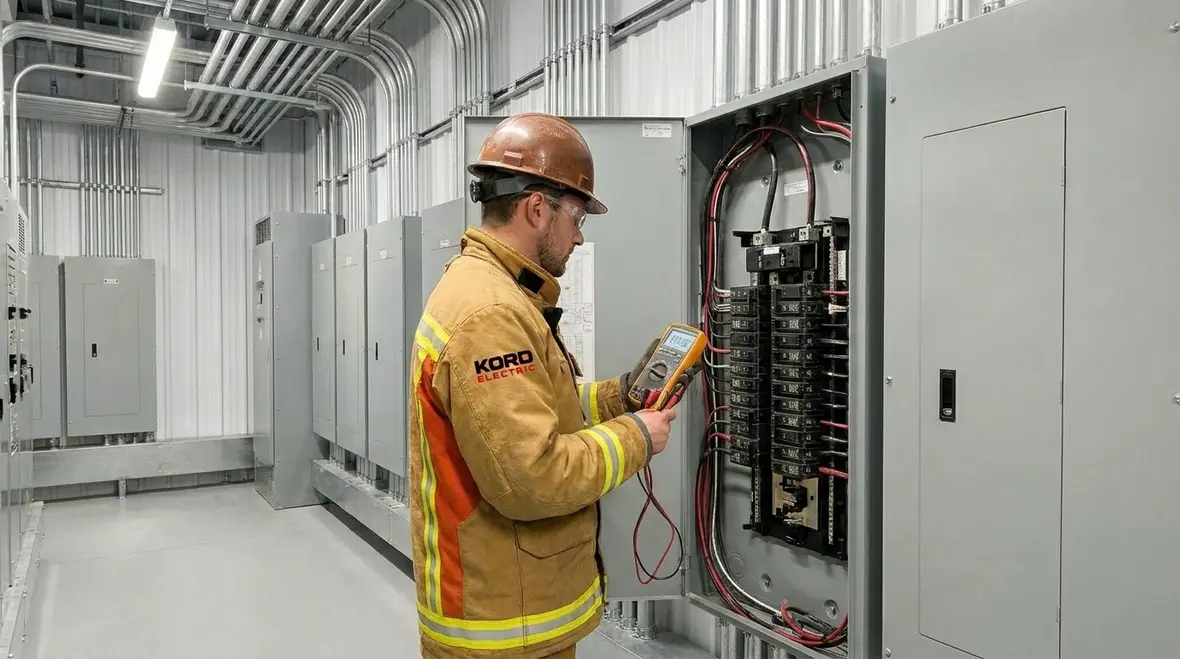
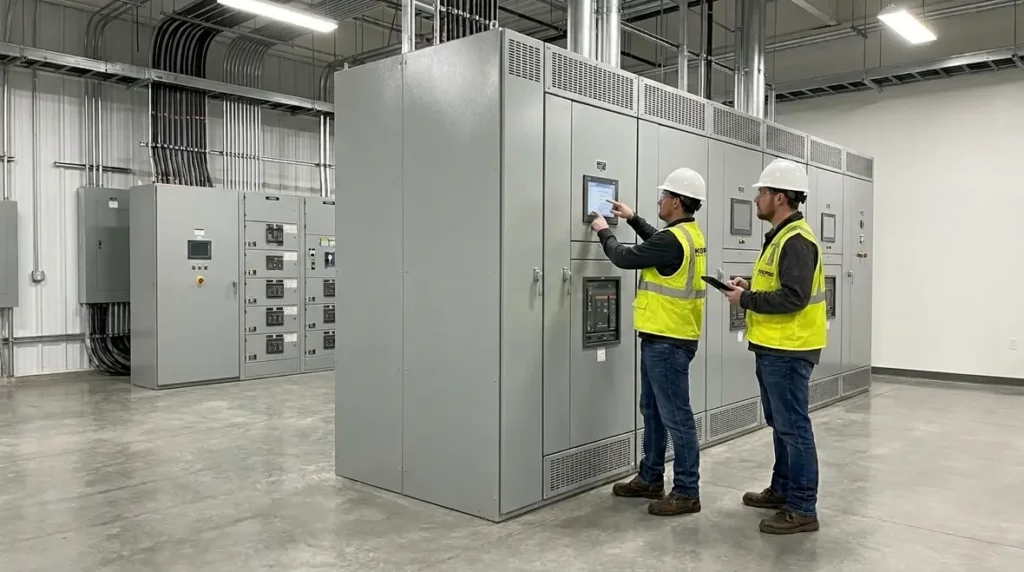
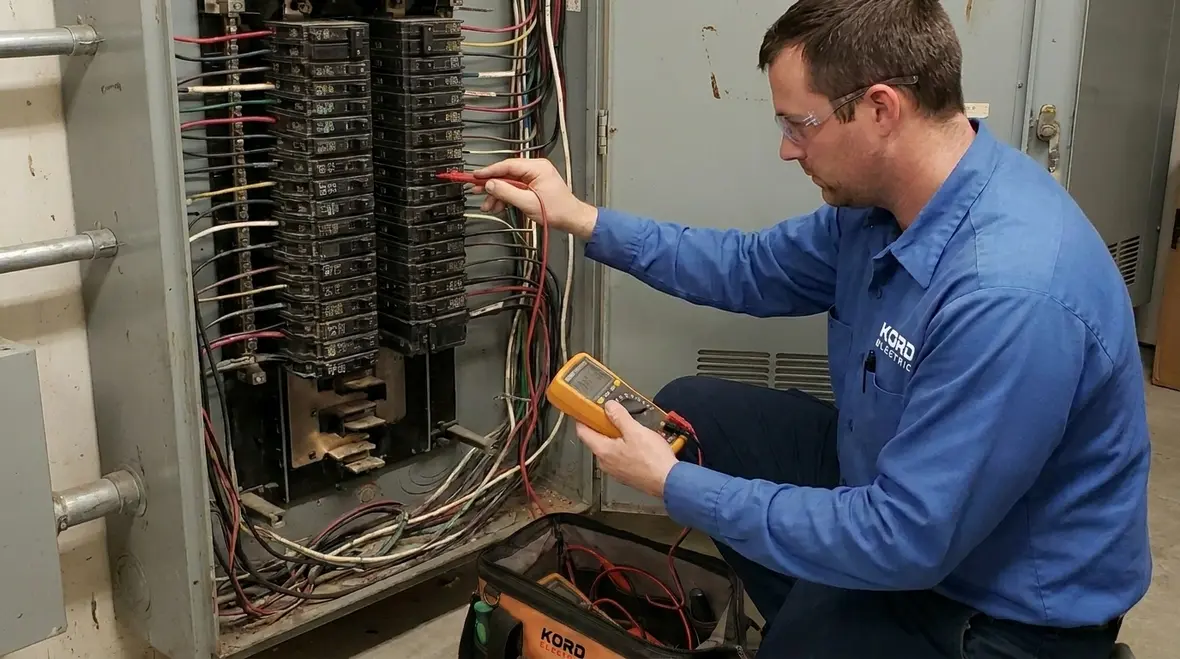
When electrical panels start acting strange, the building often signals it well before anything burns. First, look for frequent breaker trips during normal operations. Next, watch for lights that dim when motors start, HVAC cycles, elevators load up, or compressors kick on. In addition, you might notice buzzing sounds, warm breaker handles, or a faint burnt smell near bus bars. These can point to several issues, including overload conditions, failing breakers, poor terminations, or imbalance across phases.
However, the biggest danger is delay. If someone keeps resetting a tripping breaker, the circuit may continue to weaken. Therefore, we recommend contacting professionals when the problem repeats quickly, when power quality affects critical equipment, or when any heat or odor appears. At that stage, Kord Electric technicians will inspect the panel, measure and compare loads, and verify torque and contact integrity so the fix lasts.
For facilities that are already seeing warning signs like warm gear, nuisance trips, or unexplained outages, pairing corrective work with a structured maintenance program can be a smart move. Kord Electric’s dedicated electrical preventive maintenance services are built specifically for commercial, industrial, and government facilities that want fewer surprises and more stability over the long term.
Lighting Problems That Go Beyond a Bulb Replacement
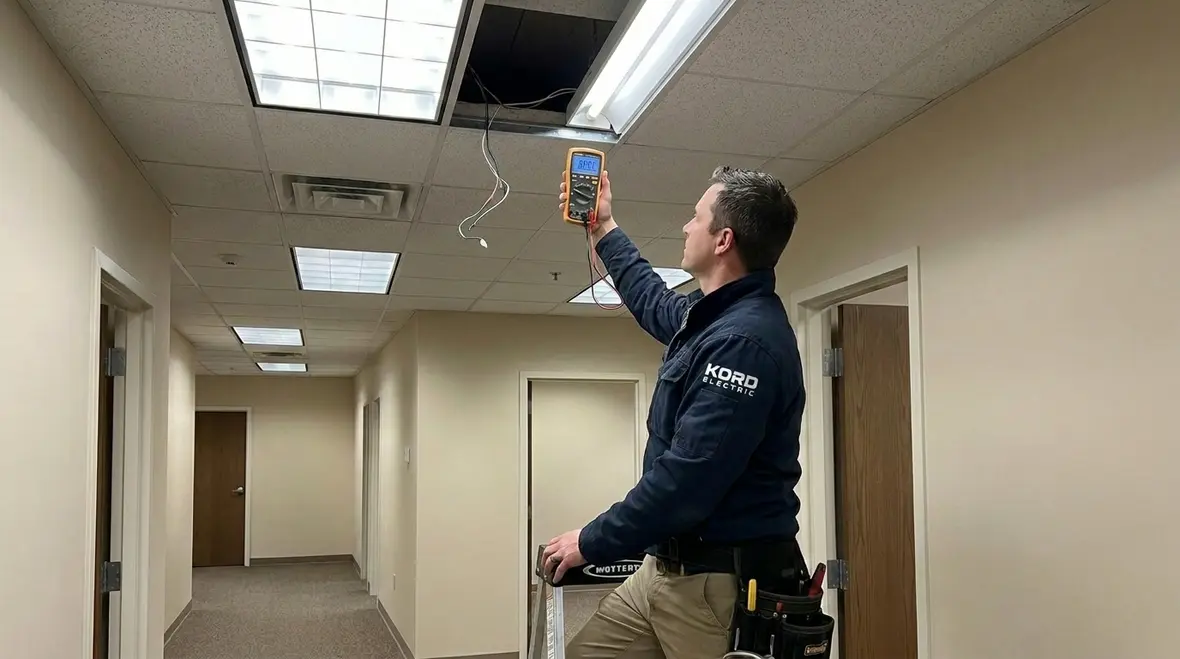
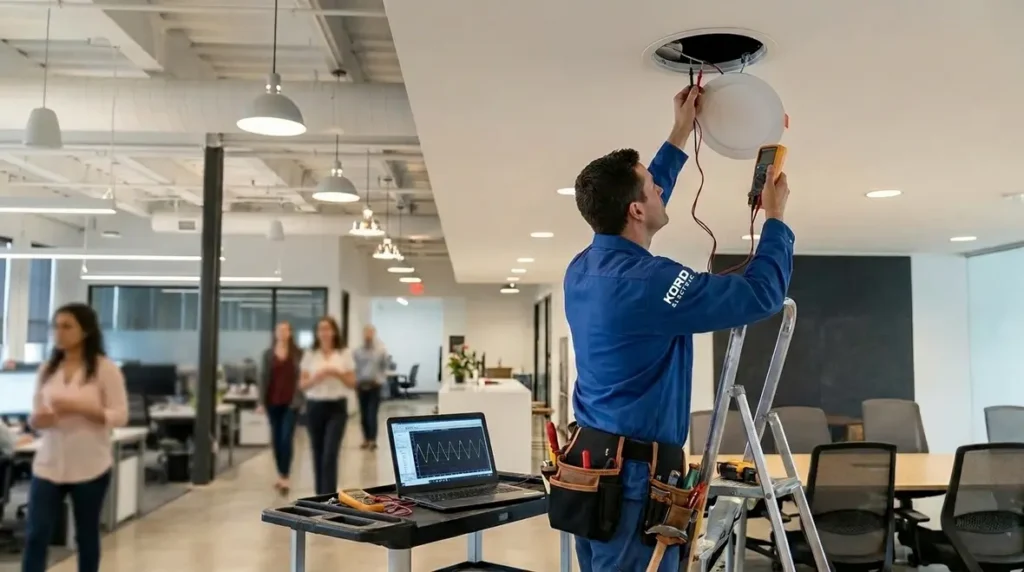
Office lights and exterior fixtures should not behave like they are auditioning for a horror movie. Yet we regularly see flicker, uneven brightness, sudden outages in specific zones, and lights that fail only when certain equipment runs. In many commercial buildings, lighting problems connect to line voltage fluctuations, faulty dimming controls, bad drivers, or wiring issues in multi-circuit lighting layouts.
We also see partial outages where some fixtures go dark while others stay on, even though they are supposed to share the same feed. That pattern often means a loose conductor, corrosion at a splice, or a malfunctioning relay. Therefore, our team uses structured circuit troubleshooting techniques to confirm which circuit section actually carries the fault. Then we test and correct the root cause instead of chasing symptoms like a customer service hotline in a storm.
In many facilities, stubborn lighting issues end up being the first clue that broader problems exist in the distribution system. Voltage swings that make one row of fixtures flicker can also stress motors, controls, and IT equipment. When we investigate, we often tie localized lighting complaints back to panel loading, conductor condition, or even upstream utility disturbances. Addressing those root causes protects far more than the lights.
If part of your corrective work includes better, more efficient lighting, Kord Electric can also design solutions that improve visibility while reducing operating costs. Their recessed lighting installation services support large commercial and industrial spaces that want clean, reliable, and energy-conscious lighting upgrades.
Motors, Pumps, and Compressors: The “Sometimes” Failures
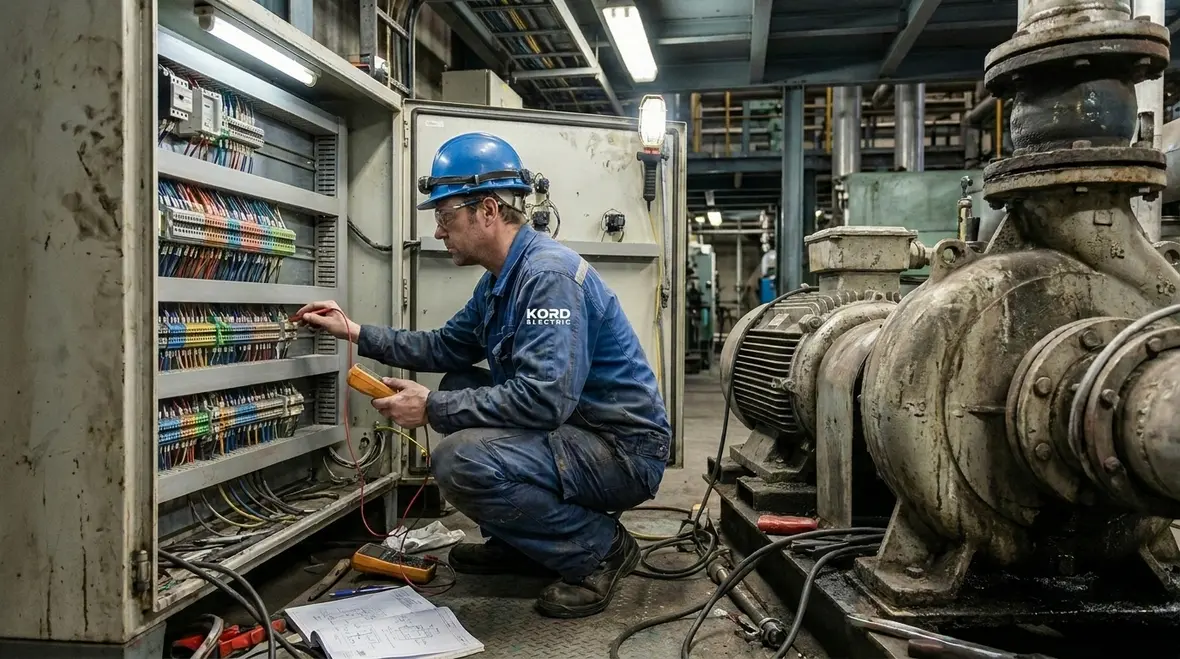
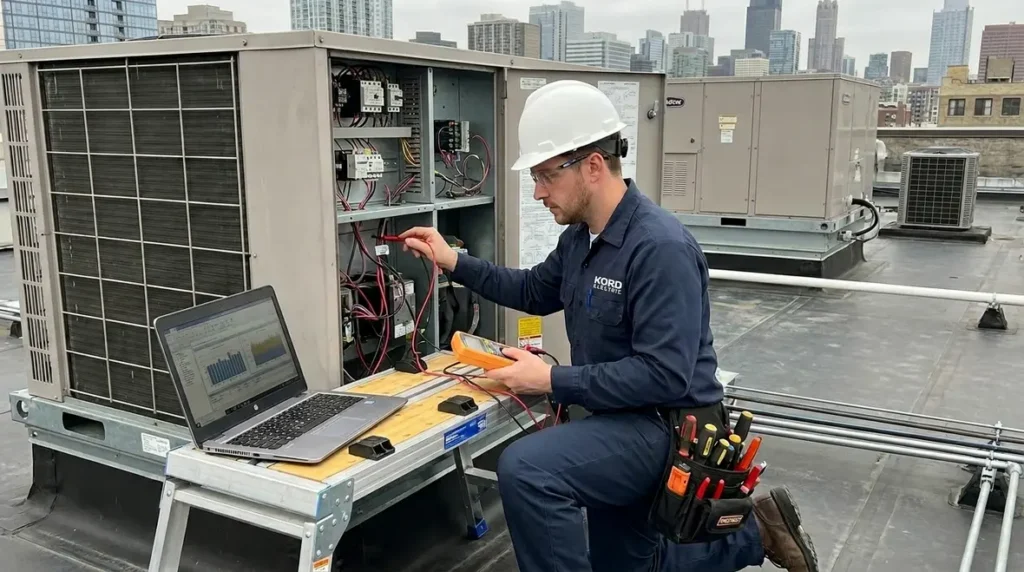
Industrial and commercial systems run on motors, pumps, and compressors. And when these units fail “sometimes,” it can be tempting to shrug and wait. But we do not recommend that approach. Motor related issues often include starting failures, overheating, abnormal current draw, worn contactors, and insulation breakdown in wiring runs. In addition, improper starter settings or deteriorated conductors can create higher inrush current, which stresses components and leads to repeat trips.
When a motor starts but does not reach speed, or when it trips within a short interval, that points to starting circuit or protection coordination issues. Likewise, if compressor heads run hot or refrigeration cycles become erratic, electrical supply problems may be involved. At Kord Electric, we help our clients by analyzing startup profiles, checking protection devices, and verifying proper voltage and load behavior under operating demand. In many cases, a careful test plan prevents a bigger shutdown later.
Those “sometimes” failures also create headaches for operations teams who are trying to plan production or keep tenants comfortable. A conveyor that stops randomly or a chiller that drops offline once a week erodes confidence long before it causes a major outage. By using disciplined commercial circuit troubleshooting techniques, we can capture data during those intermittent events, narrow down the suspects, and stabilize performance so production managers can stop wondering when the next unexplained trip will hit.
Ground Faults and Power Surges: Small Flashes, Big Consequences

Ground faults can seem minor until they trigger nuisance trips, damage sensitive electronics, or leave safety systems unreliable. Power surges can come from utility events, lightning exposure, or internal switching activities. Then the building pays the price in the form of damaged controls, failed drives, and repeated downtime for IT, security, or automation equipment.
Because these problems hide in the background, our expert service staff explains what we see and why it matters. For example, a ground fault can originate from moisture, insulation aging, or wiring damage in equipment feed lines. Surges can also create “latent” damage, meaning the equipment works today and fails next month. Therefore, when clients report recurring tripping, unexplained equipment resets, or signs of degraded control performance, we step in quickly.
We often recommend reviewing surge protection, grounding, and bonding at the same time we chase down these issues. A facility might have point-of-use surge strips in an office, but no coordinated protection at panel or service entrance level. Likewise, a weak ground path can turn a single event into a building-wide problem. With methodical testing and documentation, we help facilities understand where their protection is strong, where it is thin, and what upgrades will provide the most benefit.
For properties that cannot afford unplanned outages, aligning this kind of corrective work with a broader reliability strategy is essential. Articles like Kord Electric’s discussion of hidden electrical risks in commercial buildings and their insights on commercial and industrial electrical maintenance plans show how proactive planning can catch small flashes before they turn into big consequences.
Communication and Control Circuits: When the Building Feels Confused
Not every electrical issue shows up as a dark light or a dead outlet. In major property buildings and industrial facilities, control circuits often influence HVAC staging, access systems, fire alarm interfaces, and power monitoring. When these circuits drift out of spec, the building can act like it is misreading its own instructions.
We see symptoms like inconsistent sensor readings, relay chatter, intermittent communication loss, and alarm events that do not match real conditions. And yes, people sometimes blame “software” first. But electrical faults can mimic software problems. For instance, a noisy supply, failing power supply modules, poor grounding, or loose terminations can interfere with control signals and cause intermittent behavior.
So, we use commercial circuit troubleshooting techniques with a focus on control integrity. We trace signal paths, verify reference voltages, check wiring terminations, and inspect protective devices tied to control panels. Then we explain the findings in plain language. Our technicians do not just “fix it and vanish.” They walk others through the cause and what we recommend to prevent repeats.
For complex environments like data centers and large campuses, this level of detail is essential. Kord Electric’s work in data center electrical distribution design for reliability shows how careful coordination of power quality, grounding, and controls keeps mission-critical systems aligned instead of confused. The same disciplined thinking applies when we service multi-building commercial sites, hospitals, or logistics hubs that depend on accurate signals as much as solid power.
How We Decide When to Escalate to Immediate Service
Some electrical issues can wait for a scheduled visit. Others do not. We encourage clients to call Kord Electric for immediate attention when they see any of the following: burning smell, visible scorch marks, hot panel areas, arcing indicators, repeated breaker trips that happen within minutes, or power quality events that affect critical loads like life safety systems, elevators, or production equipment.
Also escalate quickly when operations repeatedly restart after shutdown because the electrical system cannot stabilize. If a facility manager says, “We can’t keep uptime,” that is a call to action. Likewise, when equipment fails shortly after service or upgrades, we check for coordination issues, correct phase connections, and proper sizing of protective devices.
To keep it calm and clear, our expert service staff explains what the building is telling us through electrical behavior. Then we propose next steps that protect safety and continuity, without dragging the job into a long, stressful process. Sometimes that means a focused repair on a single failing component. Other times it means recommending a more structured program so the same kinds of emergencies stop repeating across different parts of the site.
When your concern is not just inconvenience but real risk, it is time to skip the guesswork and go straight to licensed professionals. Kord Electric’s dedicated emergency electrical services provide 24/7 response for facilities that need help stabilizing systems, restoring power, and protecting people and equipment when something goes wrong without warning.
Preventive Checks That Save Money Before the Alarm Comes
Commercial and industrial sites do not run on luck. They run on planned maintenance and smart inspections. Preventive checks reduce the odds of nuisance outages and help identify weak components early. We commonly recommend targeted inspections such as tightening and verifying terminations, checking breaker health, verifying load balance, reviewing protection coordination, and evaluating the condition of bus bars and feeders in main and distribution panels.
We also advise voltage and current measurements during peak operation so results reflect real demand. Additionally, we confirm surge protection condition where applicable, especially in large buildings with sensitive electronics. When our technicians complete these reviews, they give facility staff a clear report, including what we found and what could fail next.
Think of it like changing the oil in a fleet vehicle. Nobody celebrates it, but everyone appreciates the day the engine does not seize. Unlike a pop quiz, preventive work does not ruin your week. It simply nudges the odds back in your favor so you see fewer midnight calls, fewer upset tenants, and fewer frantic conversations about why production ground to a halt.
For organizations building a long-term reliability strategy, Kord Electric’s electrical preventive maintenance offerings and insights from their commercial and industrial electrical maintenance plans guide can be paired with targeted projects like voltage fluctuation corrections, lighting upgrades, and panel improvements. The result is a facility that spends more time running smoothly and less time reacting to the latest surprise behind a dead front.
FAQ
Contact Kord Electric for Reliable Commercial Electrical Support
When electrical problems show up in a commercial or industrial facility, we know downtime costs real money. That is why Kord Electric brings expert technicians, clear explanations, and disciplined troubleshooting to every job. If your panels trip, your motors act up, your lights flicker, or your control systems behave like they are making things up, call us. We will inspect the root cause, protect critical loads, and help you get back to stable operations. Reach out today to schedule service.
If you are planning larger improvements at the same time you resolve existing issues, Kord Electric can also support upgrades ranging from structured preventive maintenance programs to EV charger installation and other infrastructure projects. Coordinating routine maintenance with strategic upgrades reduces surprises, protects your investment, and keeps your electrical system ready for whatever your operations demand next.