Electrical Failures Causing Commercial Fires
Why Electrical Failures Turn Commercial Buildings Into Fire Risk Zones
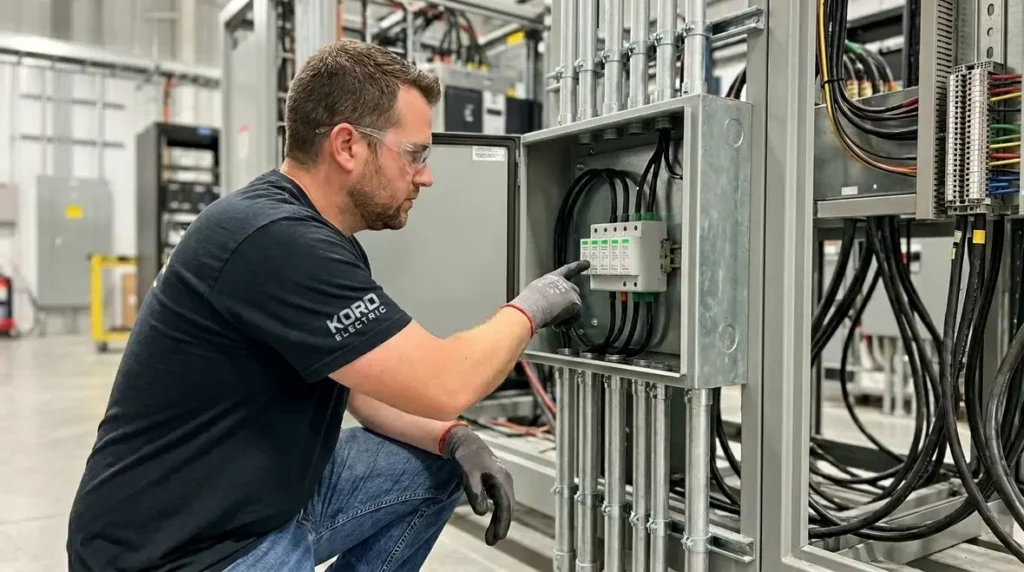
Electrical failures cause commercial fires when heat builds, insulation weakens, or connections loosen until they spark. In many cases, the first sign is not a dramatic flame but a small problem that grows: a hot breaker, a failing splice, or wiring that was never meant to handle the load it now carries. And yes, buildings can be surprisingly good at hiding trouble, like a cat knocking something off a shelf and then pretending it never happened.
At Kord Electric, we help commercial and industrial facilities and major property buildings prevent these events before they escalate. Our expert service staff explains what goes wrong, how fires start, and what teams should check so safety plans stay real, not just “checked off.”
Loose Connections, Overheating, and the Chain Reaction Nobody Wants
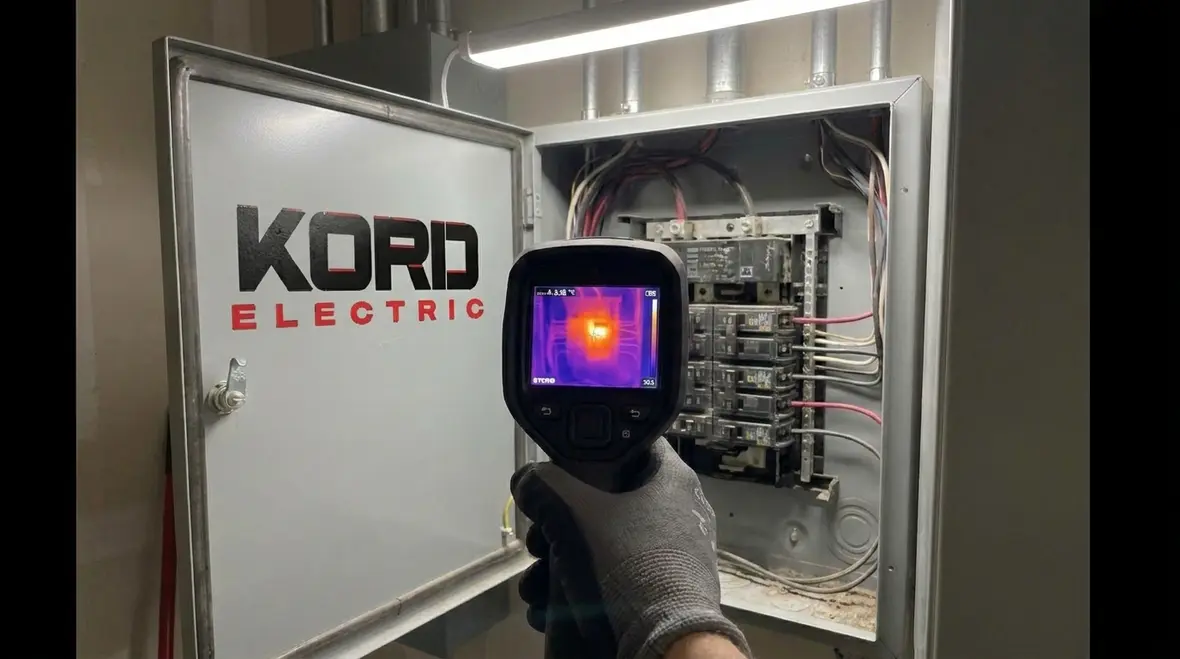
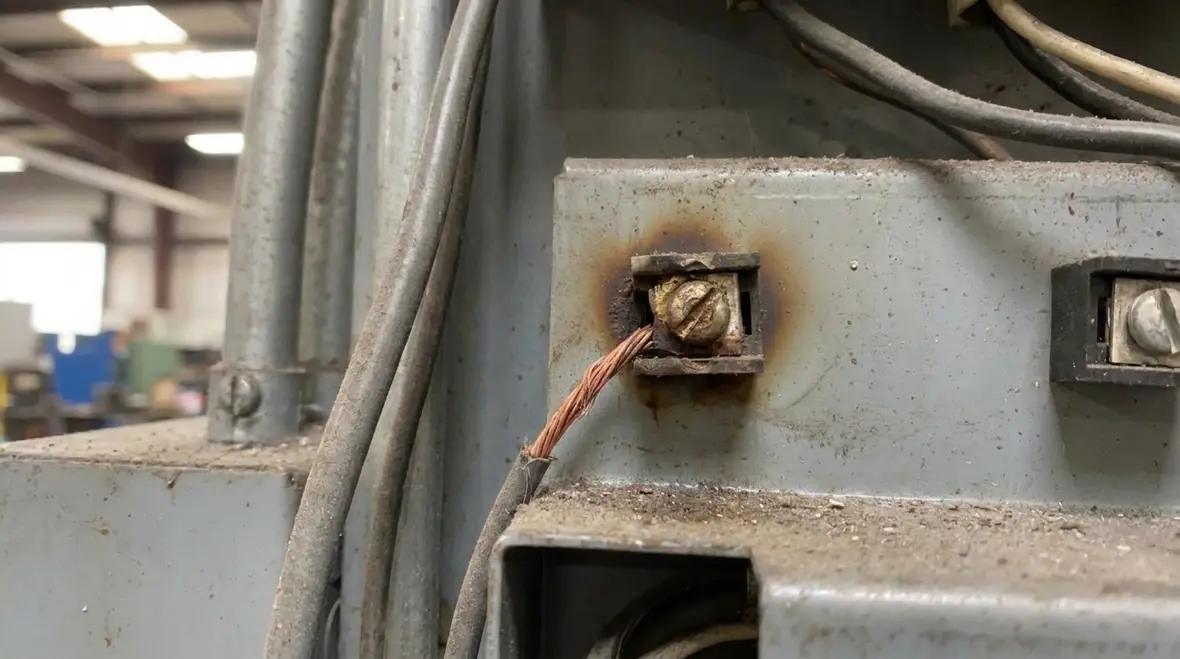
When electrical work is installed poorly or ages out, the stress shows up as resistance. Then resistance creates heat. And once heat builds at a connection point, it can damage nearby insulation and wiring. Eventually, electrical arcing can ignite dust, paper, ceiling materials, or stored products.
So how do these issues begin in the real world? Often, it starts with something small like a loose terminal on a panel, a conductor connection that was not torqued correctly, or a splice that was made without proper rated materials. Later, a maintenance team might cycle breakers, swap equipment, or add new loads. Then the same spot gets stressed again and again.
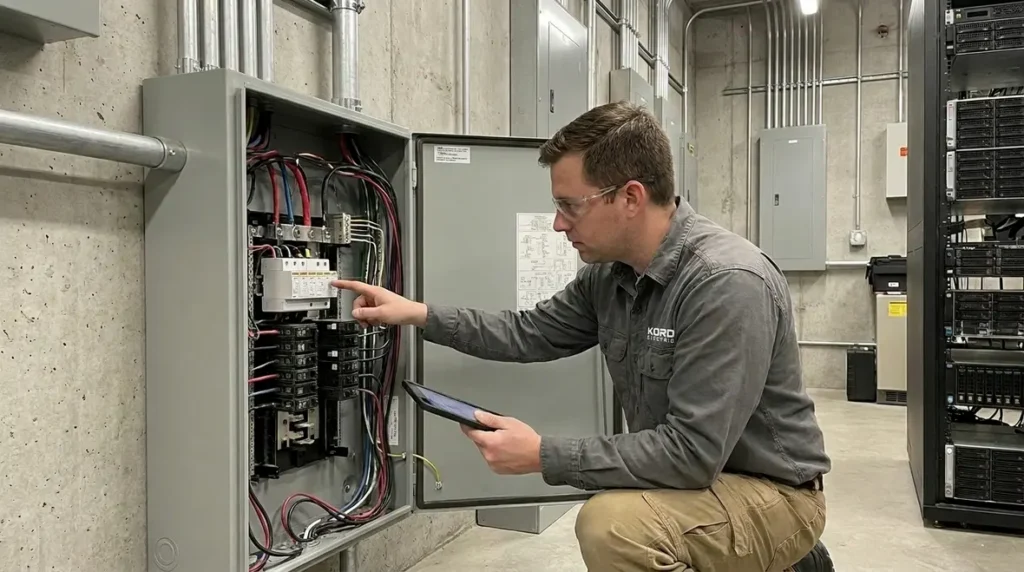
Our technicians look for telltale signs during inspections, such as discoloration around terminations, patterns of repeated breaker trips, and hotspots that show up under load. And because we serve commercial and industrial sites, we focus on the systems that keep operations running, not one-off residential checks that do not match this risk.
Insulation Breakdown and Moisture: When Wires Stop Doing Their Job
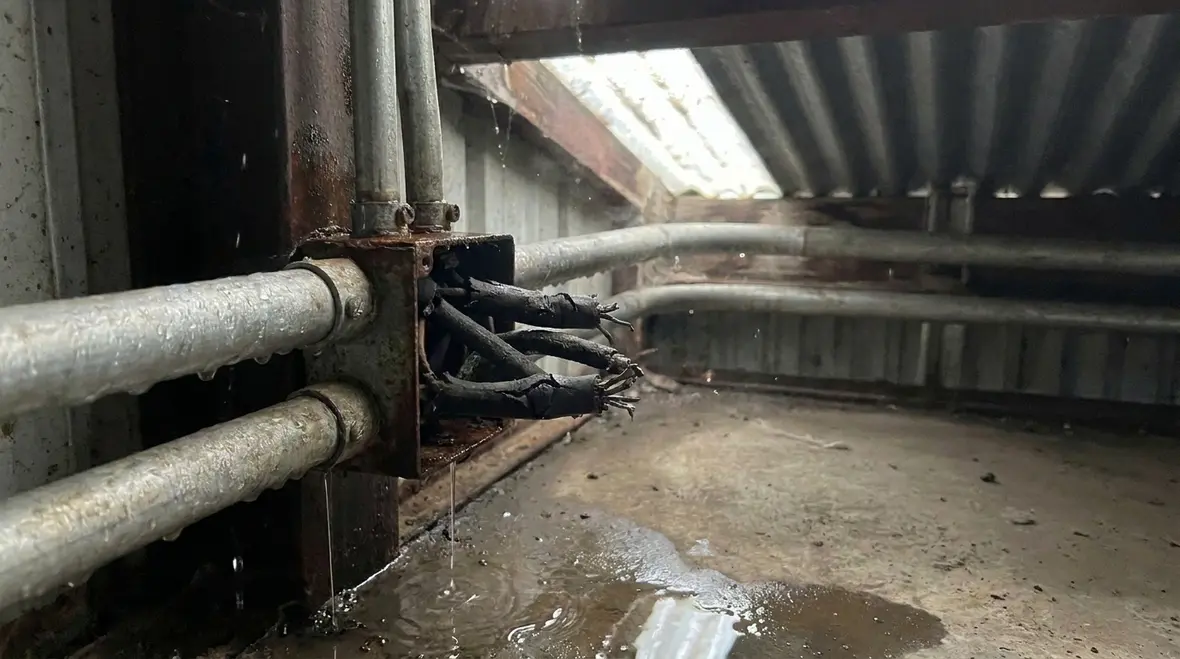
Electrical failures cause commercial fires more often than people expect because insulation does not fail in a neat, instant way. Instead, it breaks down slowly. Over time, heat, vibration, chemical exposure, and moisture reduce insulation strength. As a result, the current finds easier paths, which can lead to short circuits, ground faults, and arcing.
Moisture plays a special role. When water enters enclosures or cable paths, it can degrade insulation and create leakage currents. Then the system may appear to work at first, yet it becomes less stable with every cycle of power. In humid warehouses, near washdown zones, or in buildings with roof leaks, this risk climbs quickly.
Kord Electric’s expert service staff often explains it in plain terms: insulation is like a protective jacket. When the jacket thins, sparks do not need much encouragement. We also remind facility managers that “water resistance” is not the same as “water sealed for years,” especially when gaskets age.
Overloaded Circuits and Hidden Load Growth in Commercial Tenants
Many commercial and major property buildings evolve. New tenants arrive. Equipment changes. Production lines add motors. Kitchens upgrade appliances. Then the electrical system faces a load it did not plan for. At that point, the circuit runs hotter than it should, and over time, heat damages wiring, terminations, and breaker contacts.
This is where electrical failures causing commercial fires become a predictable outcome if teams treat load growth like a surprise. It rarely is. The load grows quietly, day by day, like a sequel nobody asked for but everyone ends up watching.
To help prevent this, our technicians review load schedules, power use history, and equipment ratings. Then they verify that panels, feeders, and protective devices match the actual conditions. When we spot mismatch, we recommend upgrades such as panel balancing, conductor sizing checks, or equipment rerouting. We keep the focus on commercial and industrial facilities, because those sites need reliable uptime, not guesswork.
Arc Faults and Ground Faults: Small Sparks With Big Consequences
Electrical arcing often starts where it should not, at damaged insulation, degraded contacts, or internal defects in equipment. These arcs can release enough energy to ignite surrounding materials. In many commercial buildings, those materials are right there: dust, lint, cardboard, ceiling tiles, insulation, and stored inventory.
Ground faults also raise danger. When current escapes from the intended path, it can create shock hazards and heating at fault locations. And once a ground fault repeats, it can indicate insulation damage that gets worse unless corrected.
Our approach stays practical. We check the condition and rating of protective devices and evaluate whether a system needs better coordination or upgraded detection. Then we confirm safe operation under load. Our expert service staff also explains what facility teams should observe, such as unusual breaker behavior, intermittent trips, buzzing sounds, or warm panels that never used to be warm.
What We Do During Inspections and Why “Next Year” Is Not a Plan
A strong prevention program does not depend on luck. It depends on scheduled checks, clear documentation, and corrective action when something fails a test. Kord Electric works with commercial and industrial facilities and major property buildings to build electrical fire prevention that fits real operations.
When we inspect, we do more than look for obvious damage. We verify connection integrity, examine panels and terminations, and test for conditions that can turn into trouble under normal use. We also review cable routing and enclosure condition because those details often decide whether heat spreads or stays contained.
If a building has areas with high risk, like mechanical rooms, loading docks, or spaces with dust and heat, we focus there first. We follow the same logic explained in our blog page on electrical fire prevention for commercial buildings, where we outline how prevention reduces ignition sources and improves readiness. And yes, we tell people it is better to fix a problem before it becomes a dramatic headline. Nobody wants that, unless it is a meme, and even then, it stops being funny fast.
Hot Spots, Infrared Checks, and Smarter Maintenance for Commercial and Industrial Sites
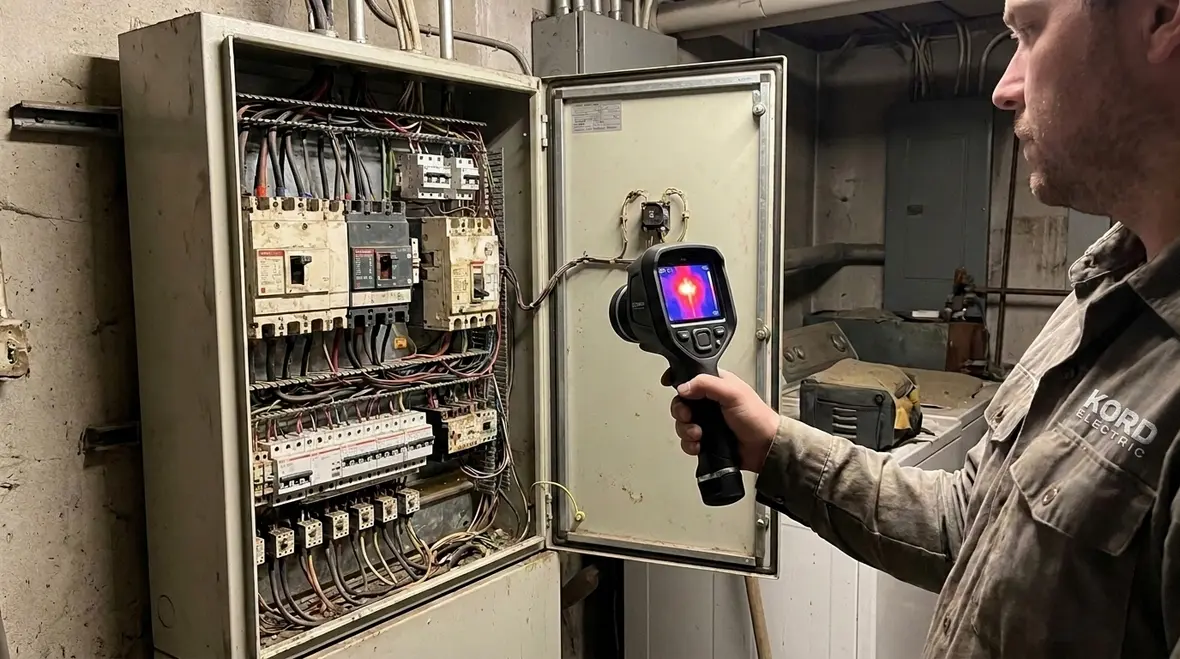
Hot spots reveal the truth when electrical failures cause commercial fires, because heat shows up before flame. Infrared inspections can identify abnormal temperatures at terminations, bus bars, lugs, and connections. Then the team can address the defect while it is still small.
However, we make sure the inspection connects to maintenance, not just a report. Next, our technicians identify the likely cause, confirm the condition of the components, and recommend repair or replacement when needed. And importantly, we coordinate with the facility so the site stays operational as much as possible. Commercial work cannot pause forever, even if the building wishes it could.
Below is how Kord Electric typically compares the “wait and hope” approach versus an active approach:
Reactive mode in many buildings means the team responds after symptoms appear, like tripped breakers or a burning smell. Then the repair happens under pressure, parts may be harder to get quickly, and downtime can stretch. It also leaves uncertainty because the root cause might remain.
Preventive mode uses scheduled checks, load review, and targeted inspections. As a result, the team corrects developing defects early, coordinates maintenance with operations, and reduces the chance that a minor fault grows into a fire. Kord Electric helps teams keep the electrical system steady, so operations stay calm.
For facilities that want a deeper dive into troubleshooting patterns, our team often references guidance similar to what we share in our Electrical Troubleshooting for Facilities Guide, where we explain how disciplined inspections and testing reduce surprises, downtime, and unplanned fire risks across complex sites.
FAQ: Electrical Failures and Commercial Fire Prevention
Call Kord Electric for Commercial-Grade Electrical Fire Prevention
If your facility runs on power, then your safety plan must run on prevention. Kord Electric provides the inspections, testing, and expert service staff guidance that help commercial and industrial buildings reduce electrical failures causing commercial fires before they start. We work with major property buildings too, because downtime and emergencies cost more than scheduled care. Contact us today to review your electrical risks and build a plan your team can actually follow, without gambling the building’s future on luck.
If your operations span multiple facilities or you manage a large property portfolio, you can also connect this prevention work with broader regional support through our Los Angeles County electrical services, where panel upgrades, troubleshooting, and preventive maintenance come together under one coordinated service umbrella.
For teams planning future upgrades or integrating fire prevention into broader electrical strategies, it can be helpful to explore related topics in the Kord Electric blog, where we discuss emergency power design, troubleshooting, and smart maintenance practices that keep commercial systems stable instead of surprising.