Electrical Infrastructure Life Cycle Planning
At Kord Electric, we plan upgrades as part of the Electrical infrastructure life cycle, not as a random set of repairs that happen “when something breaks.” We look at how electrical systems age, how loads change, and how codes and risk shift over time. Then we map out what needs to be updated, when it should be inspected, and how we keep your power steady for the next stage of your building’s life. In this article, others will hear from our expert service staff, and our technicians will explain what we check, why we check it, and how we help commercial and industrial facilities reduce downtime, protect equipment, and control long term cost.
Why plan for Electrical infrastructure life cycle upgrades instead of waiting
Commercial and industrial sites do not get the luxury of “we will fix it later.” Power disruptions can shut down production, stop HVAC during critical hours, or delay service calls that turn into contract issues. Therefore, we treat planning like preventive maintenance for your whole electrical path, from utility intake to the final distribution boards.
When teams wait until failure, they usually pay twice. First, they pay in emergency labor, overtime, and logistics. Then they pay again through replacement of parts that could have lasted longer if we had scheduled inspections and life cycle upgrades. Yes, it is like putting off a tooth cleaning until your whole mouth starts filing complaints. We prefer fewer complaints.
How our team builds an upgrade plan that fits your building
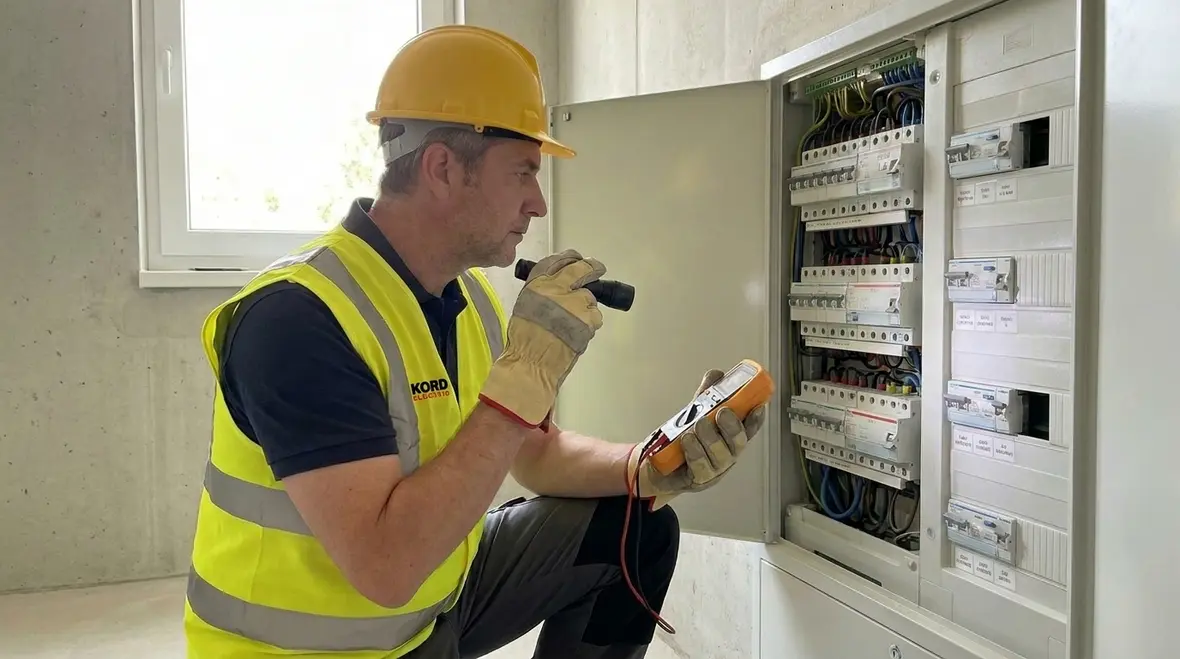
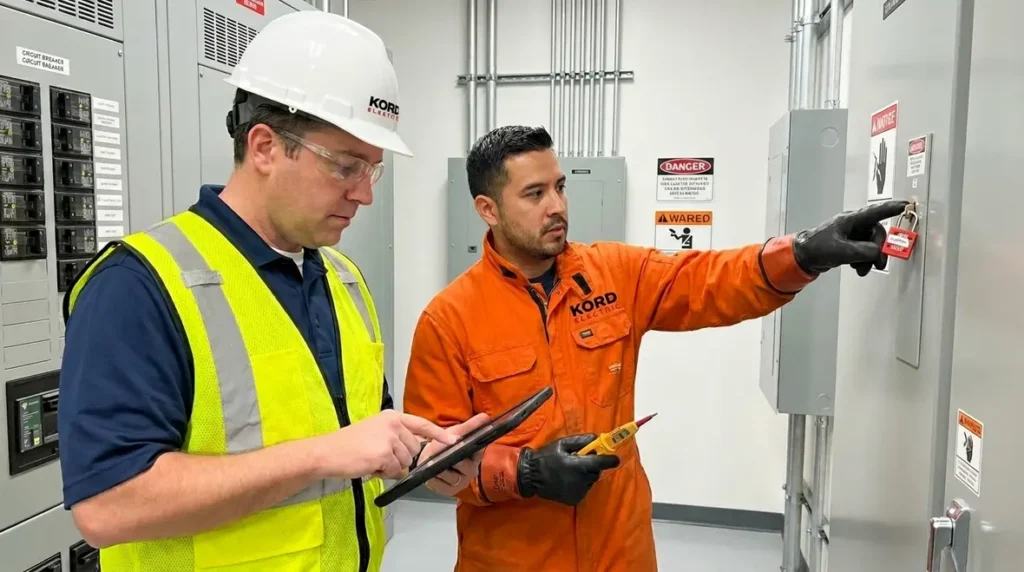
We start by learning your facility and your operating reality. After that, we translate the data into a practical upgrade plan that matches your work windows and risk tolerance. Our technicians do not just look at equipment labels. They examine the electrical history, the loading trends, and the patterns that reveal stress long before a fault occurs.
Typically, we organize the Electrical infrastructure life cycle plan in four layers
- Capacity and load growth planning so feeders, panels, and transformers do not run beyond design margins
- Condition planning based on thermal behavior, mechanical wear, insulation health, and switching performance
- Coordination planning so protective devices trip in the right order and limit damage
- Compliance planning aligned with current maintenance expectations and safety standards
Because each facility behaves differently, we avoid one size fits all “upgrade bundles.” Instead, we build a sequence that reduces surprises. If your site adds process lines, new HVAC, electric vehicle charging, or data systems, we plan the electrical life cycle upgrades around those changes, not around a calendar that ignores reality.
For teams looking to see how structured maintenance connects to this planning mindset, Kord Electric also shares more detail in their commercial and industrial electrical maintenance plans guide, which pairs ongoing care with long term upgrade decisions.

What changes across the Electrical infrastructure life cycle for panels and switchgear
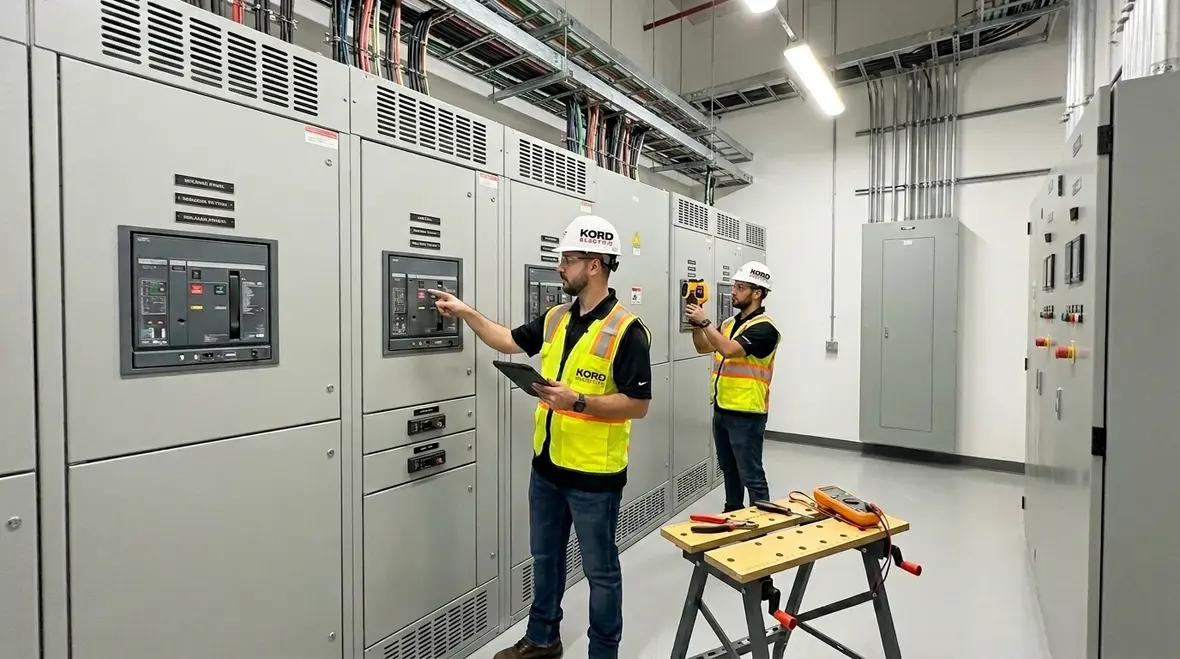
Panels and switchgear are the heart of distribution, and they carry the stress of heat cycles, vibration, and switching events. So, if we want a stable Electrical infrastructure life cycle, we need to treat these assets like time sensitive equipment, not like wall art you forget is there.
Our expert service staff often explains it this way. “Every time you close a breaker, you leave a tiny footprint. Over years, those footprints become patterns.” That pattern is why maintenance and planned life cycle upgrades matter.
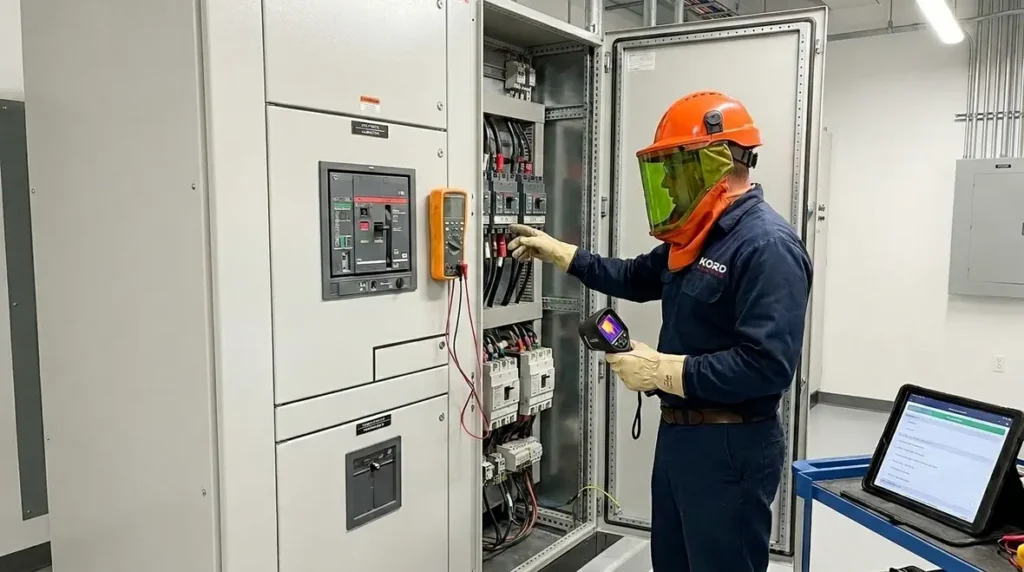
To support this, Kord Electric references our NFPA 70B based electrical panels and switchgear maintenance approach. In that guidance, we focus on what matters during inspections and service visits, including how we verify mechanical operation, evaluate insulation related concerns, and check components that can degrade even when the system still looks “fine” from the outside.
For example, we look for signs that can lead to trouble
- Loose connections that create localized heat and stress insulation
- Worn mechanical parts that affect breaker operation and timing
- Dust, moisture, and contamination that lower insulation resistance
- Signs of arcing and abnormal wear on bus and connections
- Inconsistent torque or improper reassembly after prior service
And then we make the next move. We repair, tighten, test, or plan a targeted upgrade based on condition and risk. We do not guess. We document, we test where appropriate, and we help your team understand what the results mean in plain business terms.
Linking life cycle planning to hidden electrical risks
Many of the issues we uncover in life cycle reviews match the hidden electrical problems that show up in large properties: overloaded circuits, loose or corroded connections, aging panels, and undocumented modifications hiding behind closed doors. When we fold those risks into an Electrical infrastructure life cycle plan, we are not just fixing what hurts today. We are cutting off the future surprises that used to arrive without warning.
How we reduce risk with testing, labeling, and service readiness
Even the best Electrical infrastructure life cycle plan can fail if field work becomes chaotic. Therefore, we build service readiness into the process. That means clear labeling, traceable documentation, and a repeatable way to test and verify performance.
Our technicians routinely focus on practical things that keep systems stable
- Accurate directory and circuit identification so service staff can respond fast
- Breaker and protective device verification so coordination stays true
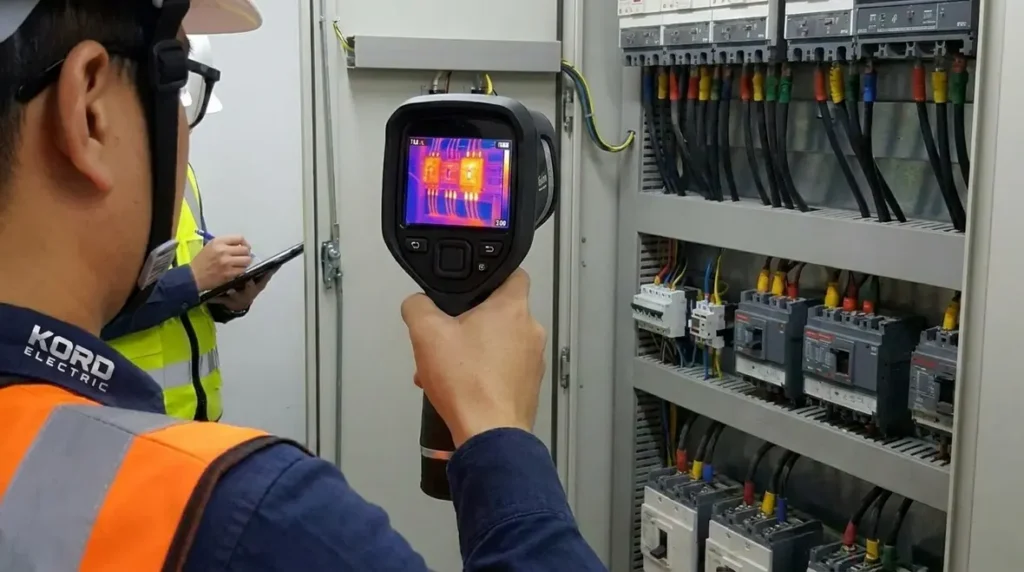
- Thermal and visual checks that show hidden stress before it turns into downtime
- Insulation related assessments when the environment or operating pattern calls for it
- Clean, organized interiors that reduce the risk of tracking and contamination
Meanwhile, we also prepare the human side of maintenance. We explain what we found, what we recommend, and what the next step looks like during future seasons. In commercial facilities, the people who approve work are often not the people who live inside the electrical room. So, we translate results into decisions they can act on.
We also connect labeling and documentation to uptime. For example, our electrical panel labeling best practices guide shows how clear directories, updated engravings, and consistent naming make emergency response faster and routine service calmer. Good labels are not decoration. They are part of your risk reduction strategy.
Also, we keep it real. If a recommendation sounds dramatic, our team will explain the reason and the risk in simple terms. No mystery, no “trust us” energy. We are electricians, not magicians. The only magic we like is when a system runs smoothly after the upgrade.
What to budget and schedule across the life cycle, without hurting operations
Commercial and industrial budgets get squeezed, and work windows get tighter. So we help others plan cost and timing so upgrades do not disrupt operations more than necessary. First, we map critical loads and uptime requirements. Then we schedule work to match staffing, lead times, and shutdown constraints.
We also stage projects. Instead of one big event that feels like a season finale with no reruns, we use a sequence that keeps your facility moving
- Phase one targets the most fragile assets and the highest risk loads
- Phase two improves distribution reliability and reduces repeat service calls
- Phase three supports growth and modernization for future needs
- Ongoing service keeps condition from sliding back faster than you can invest
Because load growth never stops, we plan for it. If you add equipment, expand floors, or upgrade production lines, your distribution system must keep pace. That is why the Electrical infrastructure life cycle approach includes more than fixed inspections. It includes capacity planning, protective device review, and future readiness.
Connecting life cycle budgets to preventive maintenance
Budgets become easier to defend when they connect directly to risk and reliability. By aligning Electrical infrastructure life cycle planning with structured electrical preventive maintenance services, facility teams can show how today’s inspection spend protects tomorrow’s uptime, equipment life, and tenant experience.
Why good maintenance documentation protects both safety and profit
Electrical systems do not just need power. They need clarity. When documentation is missing, teams rely on memory, and memory is not a test instrument. Therefore, we keep a clear record of what we inspect, what we measure, and what we recommend next.
For commercial and industrial buildings, documentation supports
- Audit readiness and safety accountability
- Faster troubleshooting when issues arise
- Better planning for next season inspections and life cycle upgrades
- More accurate budgeting based on actual condition, not guesswork
- Aligned expectations between facility managers, vendors, and internal stakeholders
We also explain the documents. Our expert service staff walks through findings in a way that helps your team make decisions. That reduces friction, cuts repeat meetings, and turns the electrical room from a black box into a managed system.
Documentation as the bridge between today’s work and tomorrow’s upgrades
The more complex the facility, the more documentation earns its keep. Clear records of NFPA 70B related maintenance, labeling updates, breaker testing, and corrective work make it easier to schedule future life cycle upgrades without guesswork. Instead of arguing over what happened three years ago, everyone can see the trail and plan the next move.
FAQ for commercial and industrial Electrical infrastructure life cycle planning
Next steps with Kord Electric for your upgrade roadmap
If you want Electrical infrastructure life cycle planning that keeps your facility running and your costs predictable, Kord Electric is ready. We evaluate condition, capacity, and operational needs, then we schedule upgrades and maintenance in a sequence your team can support. Contact us to review your panels, switchgear, and distribution assets, and to build a phased plan that reduces downtime. When you plan early, you trade uncertainty for control. And trust us, control feels a lot better than chasing problems at 2 a.m.
For facilities across the region that need responsive support as well as planning, Kord Electric also provides dedicated Los Angeles County electrical services for commercial and industrial sites. That way, the same team that helps design your Electrical infrastructure life cycle can also support real world service calls, projects, and modernizations as your building evolves.
When you are ready to move from ideas to implementation, we can align your upgrade roadmap with focused electrical preventive maintenance, NFPA 70B based inspections, and clear documentation so every dollar you invest pushes your infrastructure toward safer, calmer, and more reliable operation.