
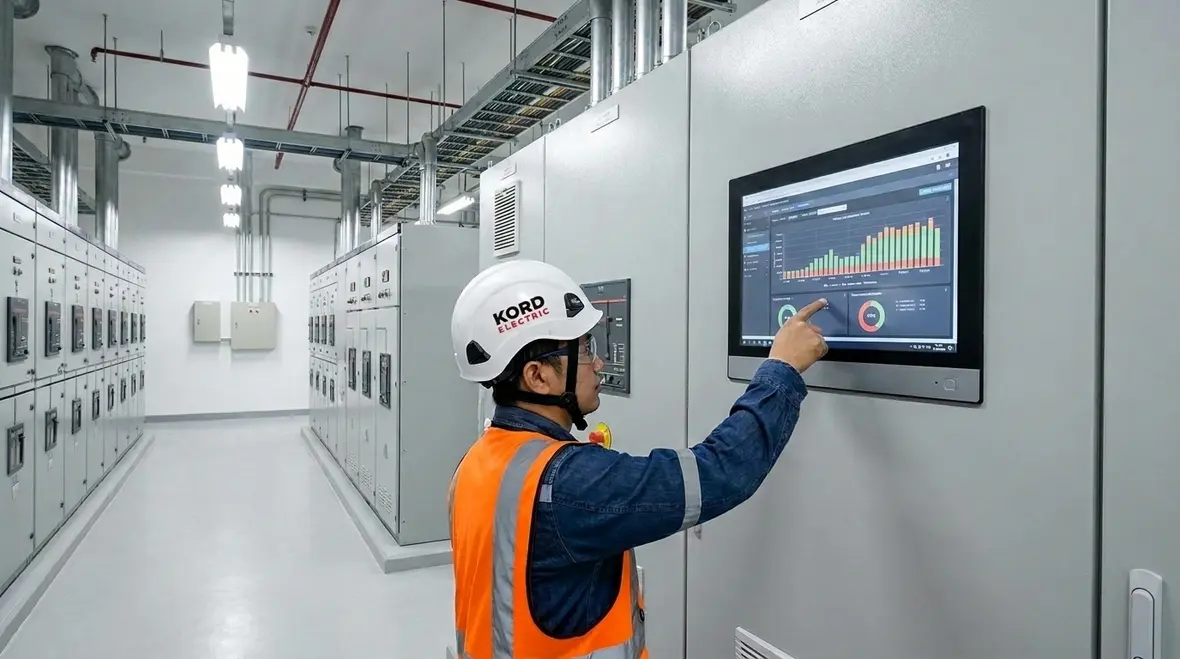
Electrical Load Management for Industrial Facilities
Kord Electric helps commercial and industrial facilities stay stable and efficient by using electrical load management strategies that match real demand, not guesswork. We plan peak control, balance phases, and coordinate protection so power stays reliable during production surges, HVAC swings, and shift changes. Our approach also includes load monitoring, scheduled demand reduction, and smarter motor and drive settings, so facilities avoid costly downtime and angry alarms. And yes, we treat electrical planning like a serious job, not like plugging in a toaster and hoping for the best.
How industrial sites manage changing demand without losing control
In many plants and major property buildings, loads never sit still. One minute, cooling towers run light. Next minute, compressors kick on while production lines start and pumps cycle. That is how voltage dips, breaker trips, and overheating find their way into the schedule. To prevent that, electrical load management strategies start with reality, meaning Kord Electric first measures what happens across the day and across seasons. Then we map the load behavior to the facility operation.
From there, our team designs control steps that respond smoothly. For example, we coordinate sequences so starting large motors stagger rather than all at once. We also review transformer loading and feeder capacity with a clear goal: keep margins where they belong. Meanwhile, we verify that protection settings support the plan rather than fight it. Finally, we make sure the control logic fits how operators actually work, so the system supports people, not the other way around.
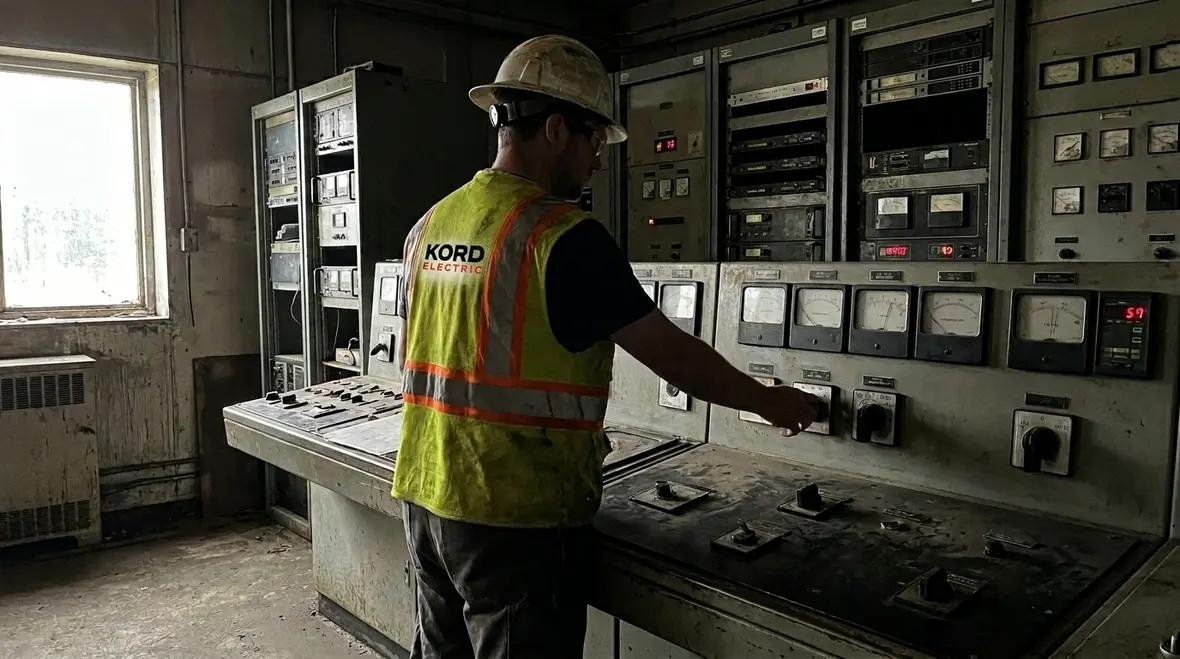
Smart planning that reduces peaks and protects equipment
Peak demand is where costs hide and equipment gets stressed. Therefore, the first layer of our plan focuses on peak shaving and time based scheduling. We help facilities shift flexible loads such as chilled water pumping, ventilation, and certain process cycles when conditions allow. At the same time, we target the big hitters like motor starting currents and compressor staging.
To make this practical, our technicians explain each step in plain language during site walkthroughs. They do not just drop a report and vanish. Instead, they walk others through what the meters show, why the sequencing matters, and what will happen during the next peak window. In other words, we treat the process like training, not like a magic trick. If you have ever watched a superhero save the day with a remote control, you already understand the idea, except this one prevents the breaker from doing a dramatic exit.
Next, we build maintenance support into the strategy. Load management does not help if equipment health slips. So we coordinate with your service schedule, review thermal stress signals, and help ensure drives, starters, and switchgear stay within limits. For facilities that want a structured, long term approach to reliability, programs like commercial and industrial electrical maintenance plans can complement electrical load management strategies and keep improvements in place over time.
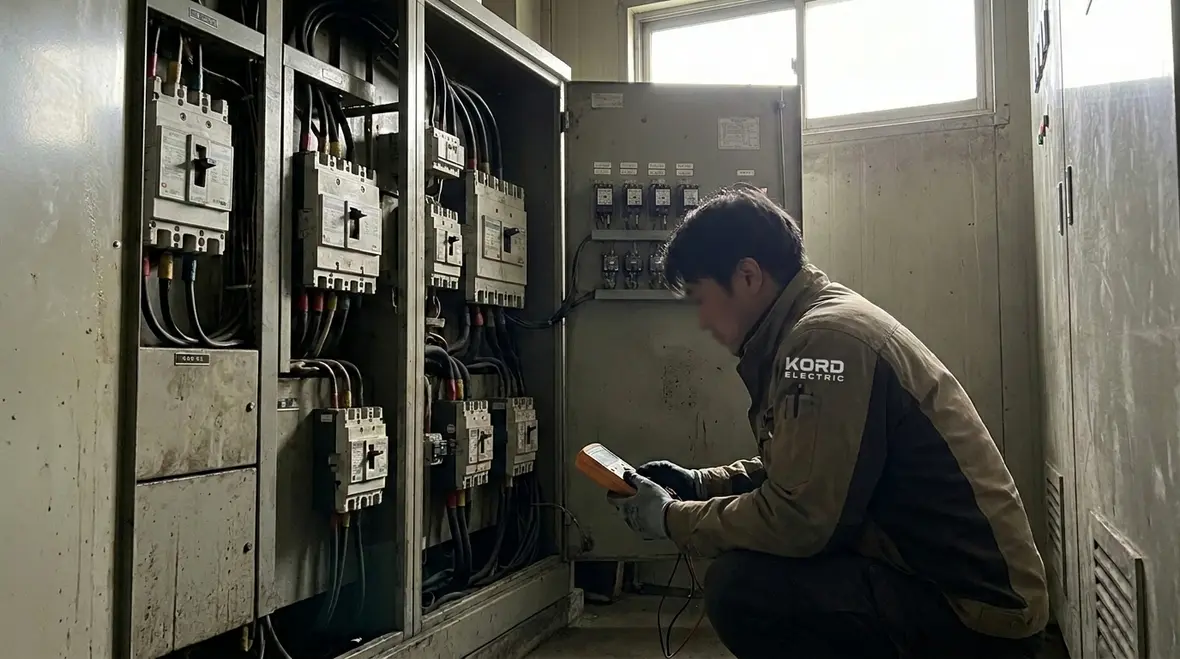
Phase balance and power quality: the quiet threats that cause loud failures
Even when total load looks acceptable, distribution can still fail. Unbalanced phases can overheat motors and transformers, and poor power quality can trigger nuisance trips or degrade sensitive controls. As a result, Kord Electric looks at not only how much load you have, but also how the load behaves inside the panel and on each feeder.
We evaluate current balance, harmonics, and voltage stability. Then we recommend actions that fit the site. In some facilities, the fix is as straightforward as reassigning loads or correcting wiring and connection issues. In others, we add filtering or adjust drive settings. We also coordinate protective device curves so faults clear quickly without weakening routine operation.
After the technical work, our expert service staff explains why the changes matter. They connect the electrical behavior to real symptoms the building team notices, like motor noise, frequent resets, or unexpected alarms. Because when people understand the “why,” the “what to do next” becomes easier and faster. For sites facing recurring disturbances, using a structured approach similar to an electrical system troubleshooting checklist for factories can help uncover deeper power quality issues that load management then helps control.

Coordinated control systems that match operators, not just diagrams
Many load management plans fail during day to day use. The drawings work, but the controls do not match how shifts run, how maintenance cycles happen, or how the facility reacts to exceptions. To avoid that, we design control in a way that fits your operational rhythm.
Kord Electric often combines monitoring with staged control logic. We set priorities so essential loads keep running while flexible loads adjust. Then we align the timing with production schedules, building schedules, and HVAC modes. If your site has seasonal behavior, we also set different baselines for different months, so the system does not keep fighting yesterday’s assumptions.
Moreover, we focus on coordination across equipment layers. That means the strategy should work from the utility interface down to switchgear, motor controls, and automation systems. So when a load rises, the response feels deliberate, not chaotic. If you have ever seen a room full of people all reach for the same remote at once, you understand the goal. We want your electrical system to act like a well practiced team, not a crowd at a concert.
Choosing monitoring and measurement that lead to real decisions
Monitoring is not a checkbox. It becomes valuable when it connects data to decisions. Therefore, we help commercial and industrial facilities select measurement points that reflect actual risk and cost. That includes identifying which feeders carry the critical motors, which panels show the biggest swings, and where harmonics and imbalance appear.
We also help teams define alert thresholds that reduce false alarms. A system that screams for everything stops being trusted. As a result, we calibrate alarms to meaningful events, such as thermal stress indicators, abnormal starting sequences, or sudden load changes. Then we set up reporting so managers can see trends without drowning in graphs.
Our technicians share what they see and what it means. They explain which signals matter, how to interpret them, and what actions to take when thresholds are reached. That kind of clarity helps operators act quickly during peak periods and maintain confidence in the plan during off peak times. When monitoring highlights capacity constraints or simultaneous demand from HVAC, production, and charging, pairing the insights with load management options used in commercial EV charging projects can reveal new ways to share power intelligently instead of oversizing everything.
Case based examples from commercial and industrial projects
Kord Electric builds solutions that fit the load profile. So we think in scenarios, not vague promises.
In one major property building, the highest demand arrived during the same hour as multiple HVAC zones switching modes. By coordinating staging and using a time window approach, we reduced peak stress on feeders and improved stability during the transition. Afterward, facility staff reported fewer nuisance trips and smoother comfort control.
In a manufacturing setting, motor starting events created brief voltage dips that affected control circuits. We adjusted motor start sequencing and reviewed drive parameters. Then our expert service staff trained the maintenance team on what to watch and how to keep settings consistent across service visits.
In a distribution style facility, harmonics from variable speed drives caused overheating concerns. We evaluated harmonics, made targeted adjustments, and supported power quality improvements. Ultimately, the site kept operations moving while reducing the likelihood of future equipment issues.
These examples show one truth. Effective electrical load management strategies depend on how the facility runs, which equipment carries the risk, and how the controls respond under real conditions. When planning improvements, facility teams can also review topics like hidden electrical risks in commercial buildings or emergency power failures in commercial buildings to connect day to day load behavior with long term reliability and resilience.
FAQ: electrical load management strategies for commercial and industrial sites
Ready to steady your power and cut peak stress?
If your facility faces rising energy bills, nuisance trips, or equipment wear during peak hours, Kord Electric can help. We assess real load behavior, then build coordinated control and protection plans that match how your site operates. Next, our technicians and expert service staff explain the findings clearly and support your team through implementation. Reach out today to schedule an electrical load management strategy review for your commercial or industrial building, and let us help you run calmer, safer, and more efficiently.
For organizations across the region, Kord Electric also provides broader support through dedicated regional solutions like their Los Angeles County electrical services. That means your electrical load management strategies can be integrated with emergency response, maintenance programs, upgrades, and new projects under one coordinated plan.
Whether your team is planning new automation, expanding production, or simply ready to tame peak demand, aligning electrical load management strategies with a comprehensive service partner keeps projects practical instead of theoretical. When your power system acts like a well rehearsed crew instead of a last minute improv show, everyone sleeps better—especially during the next heat wave, shift change, or production ramp.


