
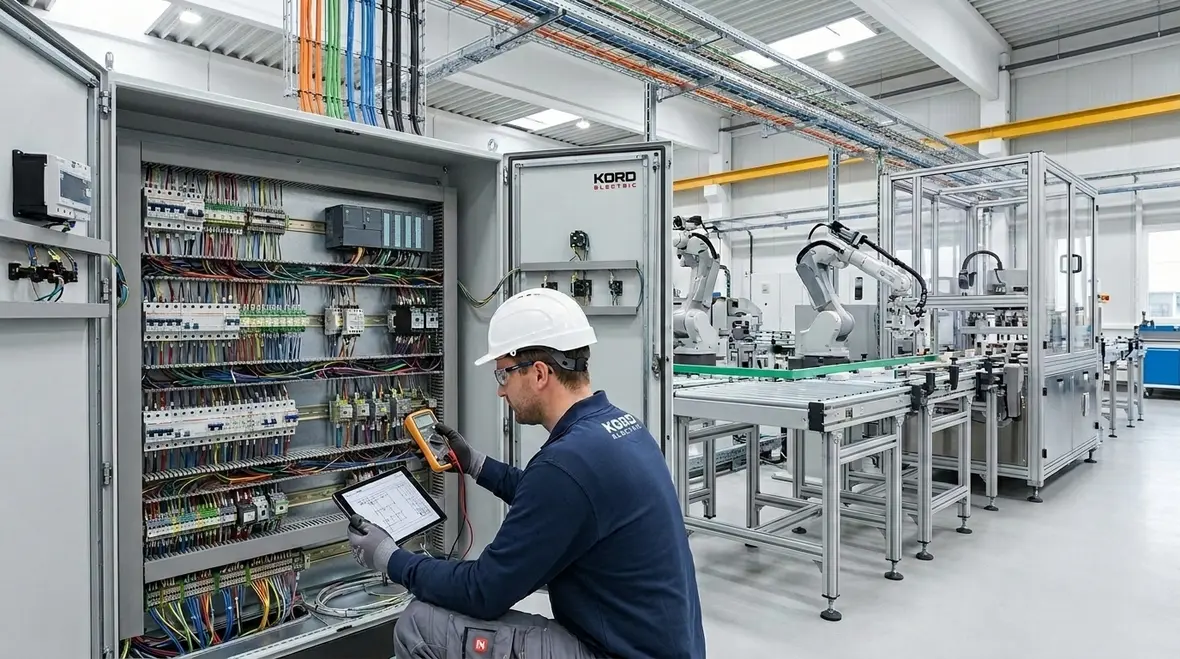
Industrial Automation Electrical Safety Guide
Integrating industrial automation electrical safety into factory automation, without the drama
Modern factories want faster lines, smarter controls, and tighter production schedules. Yet when a facility moves toward automated systems, it also raises the stakes for industrial automation electrical safety at every junction of power, control, and communication. At Kord Electric, we help commercial and industrial facilities integrate automation in a way that protects people, equipment, and production continuity. Our technicians and expert service staff explain what they see, what they measure, and what they recommend, step by step, so the plan feels clear instead of mysterious.
We approach automation like a seasoned foreman: calm, deliberate, and focused on the details. And yes, we have heard the jokes about “wiring fairy dust.” Still, we do not rely on magic. We rely on safe design, solid installation, and verification, because in a real plant, surprises cost money.
Why factories add risk during automation upgrades
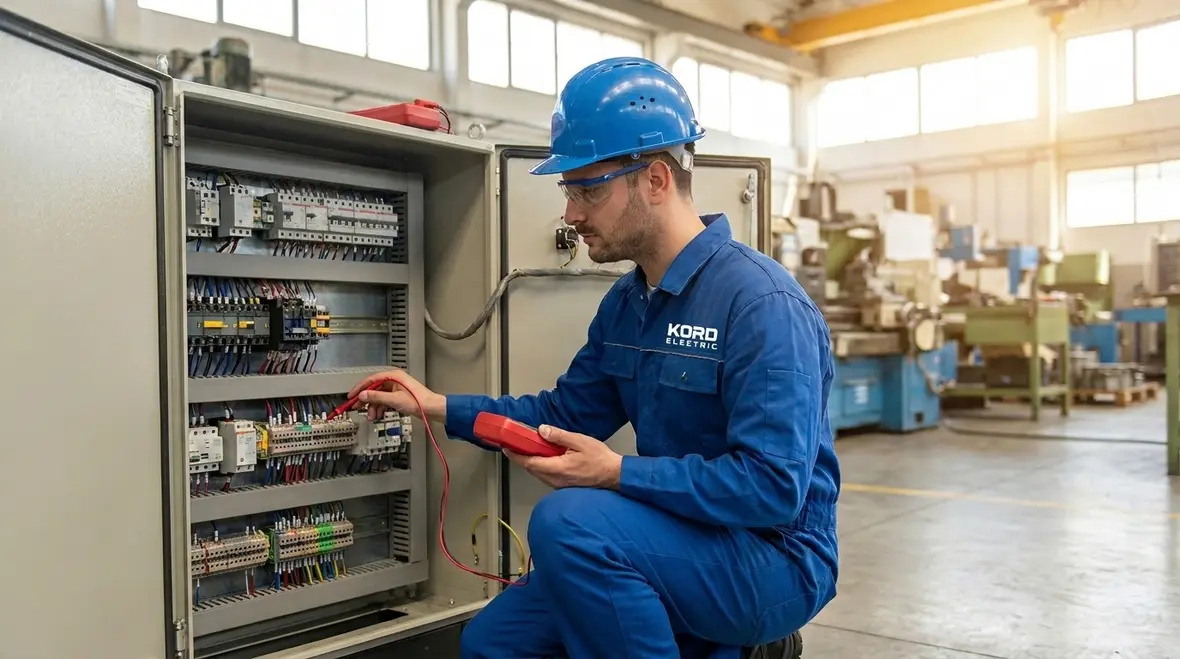
When automation expands, the electrical system expands with it. However, risk does not rise only because more devices appear. Risk rises because systems start interacting in ways people did not plan for. For example, a new motor drive can introduce electrical noise that affects sensors. A control cabinet can create new heat patterns that stress components. Even communication wiring can pick up interference when it runs near power conductors.
At Kord Electric, our team treats these changes as a system, not a checklist. First, we map what the facility already has. Then we identify what new automation will add. After that, we confirm that grounding, bonding, overcurrent protection, and routing practices support safe operation. In this way, industrial automation electrical safety becomes a design goal, not a last minute fix.
Commercial electrical upgrades that support controls and equipment
Many facilities run into problems when electrical upgrades focus only on capacity. Still, automation needs more than “more power.” It needs stable power quality, correct wiring practices, and control circuits that behave as intended under real conditions. That is where expert service matters.
One reason our clients trust Kord Electric is that we explain the electrical plan like it is part of the production line. For example, in commercial kitchen environments, wiring and power distribution must support loads that cycle quickly, operate reliably, and keep controls stable. The same principle applies to industrial plants: automation increases load switching, increases cabinet complexity, and increases the need for wiring and distribution that stays predictable. You can see a similar approach in our guidance on commercial kitchen electrical upgrades and wiring, where we focus on correct distribution, safe routing, and dependable connections that reduce downtime risk.
Even if a facility does not look like a kitchen, the electrical thinking transfers well. Automation behaves like a hungry system: it consumes what you give it, and it punishes what you built carelessly. So we help facilities plan upgrades that align with automation, not that merely replace worn components.
Key design steps for integrating automation safely
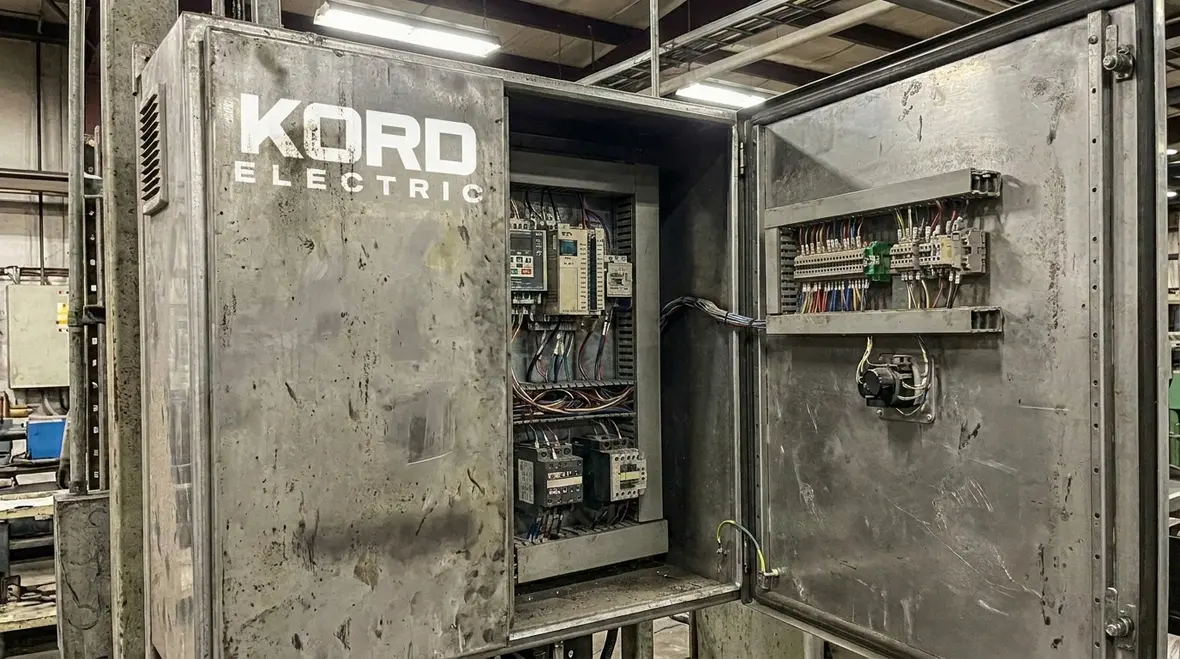
To integrate automation safely, we look at design elements that prevent faults from spreading and prevent people from becoming part of the circuit. First, we confirm the facility’s electrical single line and control architecture. Then we verify that protections match the devices and wiring methods. After that, we ensure that grounding and bonding practices create a controlled path for fault current.
Next, we address segregation and routing. We separate power wiring from sensitive control and signal wiring when it makes sense. We also consider conduit fill, heat, and mechanical stress. Then we verify that cabinet layouts allow cooling and safe access. A control panel should not become a cramped box where technicians feel like they need a forklift to do proper work.
- Match breakers, fuses, and coordination to the equipment, so protection works during real faults
- Use grounding and bonding methods that reduce shock risk and stabilize control performance
- Route conductors to reduce noise, interference, and nuisance trips
- Plan for labeling, access, and maintenance so safe operation continues after commissioning
Throughout this process, our technicians and expert service staff explain the “why” behind each decision. That way, the facility team understands the intent, not just the outcome. And if someone jokes about pressing the wrong button, our job is to make sure the electrical design does not reward that impulse.
Commissioning and testing practices we insist on
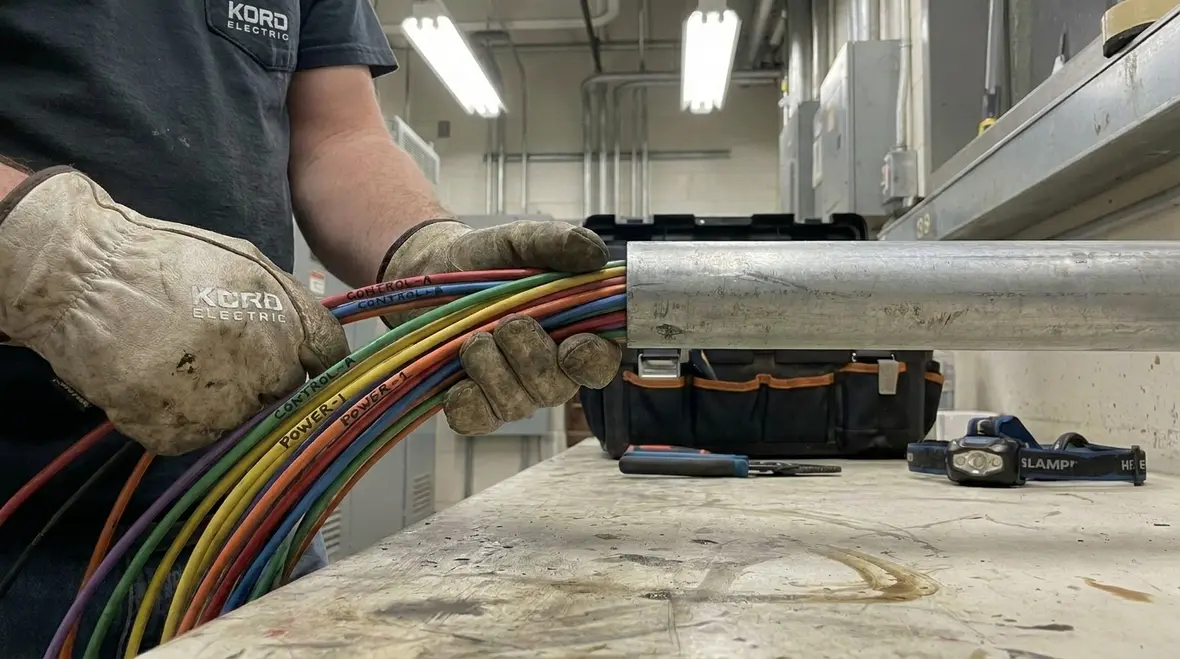
Even the best design can fail if commissioning and testing do not confirm reality. For industrial automation, testing focuses on more than “it powers on.” We check that protective devices operate within expected time and current ranges. We verify continuity and insulation integrity. We measure grounding performance where applicable. We also confirm that control circuits behave correctly under load changes, because automation often reveals issues only when the line runs.
Furthermore, we check that documentation matches what was installed. When drawings differ from actual wiring, future maintenance becomes a guessing game. And in a facility, guessing costs time and creates safety risk.
At Kord Electric, our technicians review test results with the facility team. Then we provide clear recommendations for any corrections or enhancements. In other words, we bring the calm, not the confusion. Because once automation is live, the factory does not get a “do over.” It just keeps producing.
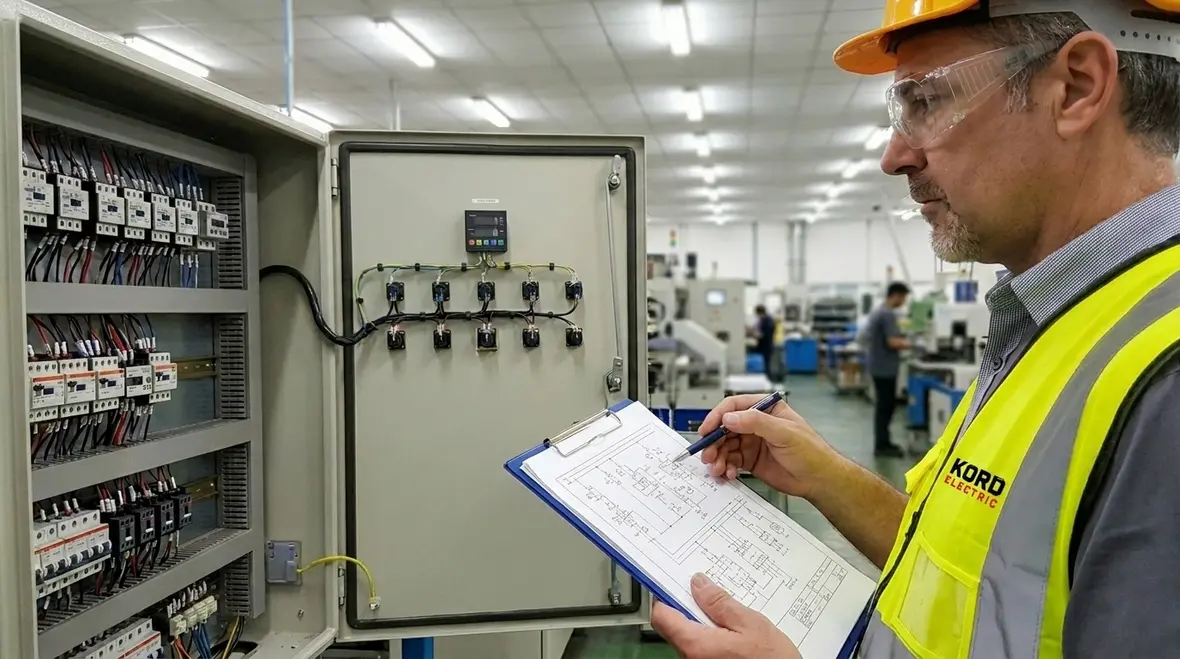
How to manage safety around cabinets, drives, and new wiring runs
Automation brings cabinets, motor drives, power supplies, and a growing number of cable runs. As a result, industrial automation electrical safety depends on safe work practices just as much as correct installation. Facilities need clear boundaries and safe habits during construction, maintenance, and troubleshooting.
First, we help define safe access areas around cabinets and equipment. Next, we ensure proper identification of circuits and devices. Then we improve how the facility controls lockout and tagout processes for energized work. Also, we consider arc flash risk assessments when the system design supports that effort, because safety planning should match real working conditions.
We also train facility technicians in what to look for during routine checks. For example, loose terminations and overheated connections often start quietly. Over time, they can turn into nuisance trips, downtime, or worse. Our expert service staff teaches how to spot early signs and how to respond correctly.
And yes, we have met facilities where the label on the panel said “Spare,” but the circuit acted like a fully employed worker. That is why labeling must be accurate and circuit changes must be documented immediately. For leaders who want deeper guidance on markings that match real wiring, our electrical panel labeling best practices guide walks through how clear labels support faster, safer work in automated environments.
FAQ for factory electrical leaders
Closing: get the safe automation plan that keeps production steady
Automation should raise output, not raise risk. Kord Electric supports commercial and industrial facilities with electrical design, safe wiring practices, and commissioning that confirms how the system will perform in real life. Our technicians and expert service staff explain each step clearly, so your team knows what was done and why.
If your facility plans a controls upgrade, installs new drives, or expands power distribution, reach out to Kord Electric. We will review the situation and build a safe, practical path forward. For plants that want support from a team that already understands regional industrial timelines and code requirements, our Los Angeles County electrical services connect local factories with technicians who focus exclusively on commercial and industrial work.
When you are ready to coordinate automation upgrades with broader power improvements, our specialists can also align industrial automation electrical safety planning with services such as electrical system troubleshooting for factories and other facility-wide projects. Linking these efforts together helps your electrical infrastructure support automation the way it should: quietly, reliably, and without drama.
To talk through your next project, from cabinet upgrades and new drives to automation-ready distribution, connect with the Kord Electric team. We will help you turn industrial automation electrical safety from a worry into a working part of your production strategy.


