Load Management for Businesses Controlling Electrical Demand
Load Management for Businesses: How to Control Electrical Demand is not a “nice to have” for commercial and industrial facilities. It is a practical way to keep power costs steady, reduce stress on electrical gear, and protect operations when demand spikes. At Kord Electric, we help our clients balance what they need today with what their electrical system can handle tomorrow. In other words, we prevent the lights from acting like a drama queen during peak hours.
When a building ramps up HVAC, pumps, production lines, elevators, and charging loads all at once, the electrical demand can surge. Then utility bills rise, breakers run hotter, and equipment ages faster. Therefore, we plan load management carefully, using data and controls that work with real schedules, real tenants, and real job sites.
Why commercial buildings struggle with demand spikes
Most facility teams do not wake up asking, “How do we maximize our electrical demand curve?” They just run the building. However, schedules shift, weather swings, maintenance gets delayed, and production ramps faster than expected. As a result, demand peaks show up like uninvited guests at a corporate event.
From our experience at commercial and industrial properties, three patterns cause most trouble. First, HVAC often drives peak loads. Even if your building “feels fine,” the system may still draw extra watts during the coldest or hottest blocks of the year. Second, motors and process loads can climb together. When pumps and compressors start at the same time, the electrical system sees a bigger hit than anyone planned. Third, unmanaged plug loads can sneak in. A new tenant, a new kitchen, a new workshop, and suddenly the electrical plan looks “mysteriously” outdated.
So, what happens next? Utility rates can punish peaks, and electrical equipment can age faster when it runs near its limits. Meanwhile, operations lose flexibility. In short, the system becomes less forgiving, and every change feels risky.
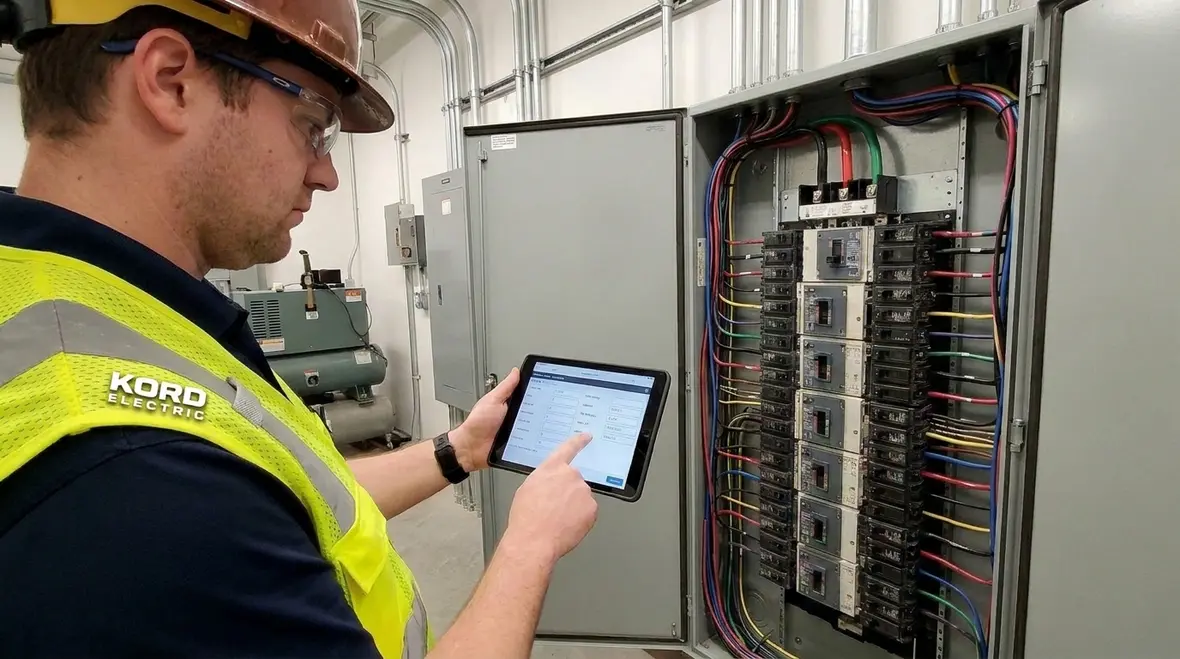
For building owners who want a deeper dive into how distribution and balance affect performance, it can help to explore how commercial electrical load balancing solutions keep phases, panels, and sensitive equipment operating inside their comfort zone rather than at the edge of their limits.
Our load management planning starts with measurements, not guesses
At Kord Electric, we start with how your site actually behaves. Therefore, we use site data, historical utility information, and equipment details to map load patterns. Then our technicians and expert service staff explain what the numbers mean in plain terms, so your team can make decisions without needing an engineering degree.
We also look at timing. For example, we compare daytime versus after hours demand, and we check how quickly loads ramp during shift changes. Next, we study which circuits and panels carry the biggest swings. That helps us avoid broad changes that cause new problems.
Our approach usually includes a clear load profile and a practical strategy to reduce or shift peak usage. Because “peak shaving” sounds fancy, but it only works if you understand the timing of the peak. Otherwise, you end up shifting one problem into another time window. And nobody needs that kind of energy. We have enough of that from pop culture plot twists, thanks.
Once we build the plan, we confirm it with real-world constraints like operating schedules, equipment start sequences, and safety requirements. In addition, we coordinate with your facility team to keep uptime high.
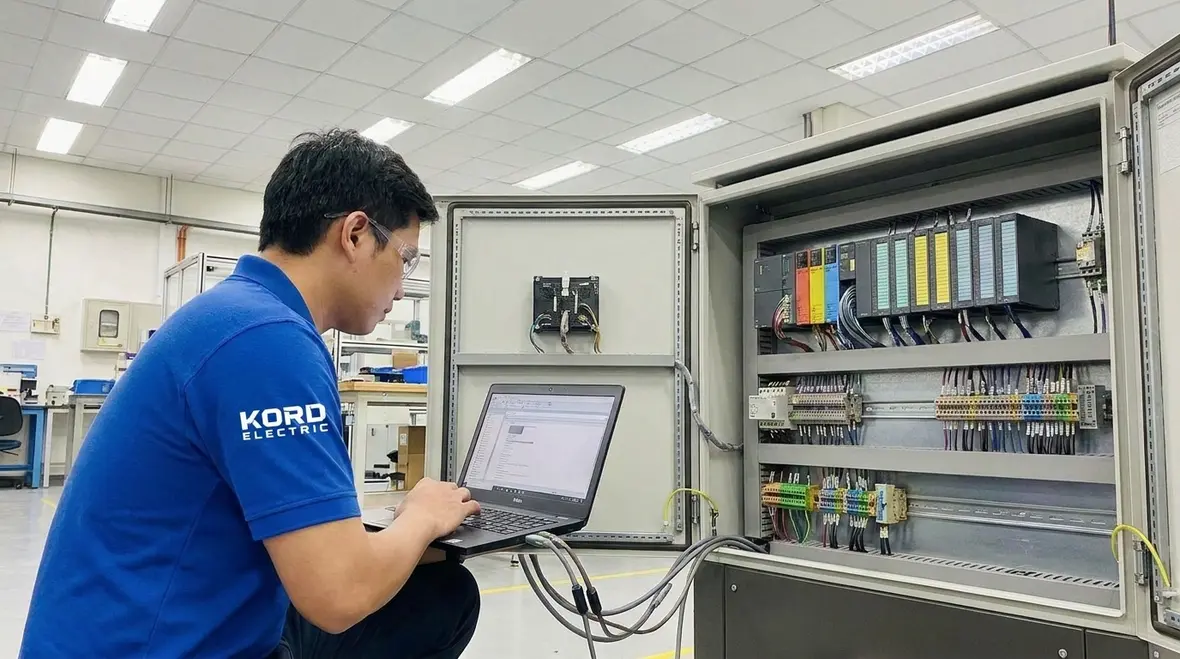
In many commercial buildings, this measurement-first mindset pairs well with a structured commercial electrical load capacity assessment, so future projects, tenant changes, or EV charging additions do not unknowingly push the system past its comfort zone.
Demand control strategies that work on real schedules
In the commercial building world, one size never fits all. A retail tenant stack, a hospital wing, a manufacturing line, and a mixed use campus do not share the same load behavior. Therefore, we tailor strategies to your operations and your risk tolerance.
Here are methods we commonly help implement, with a focus on keeping the building stable while controlling electrical demand.
- Staggered equipment start times so motors and compressors do not all energize at once.
- HVAC optimization using schedules, staging, and control sequences that reduce peak draw while maintaining comfort.
- Thermal management by using building materials and system tuning to ride through peak periods.
- Load shedding with priority rules so non critical loads drop first, and critical loads stay online.
- Energy storage or load shifting where a project can benefit from time shifting, not just time cutting.
- Tenant and process coordination to manage simultaneous usage during peak windows.
Additionally, we integrate controls so your system responds fast enough to matter. A plan that takes ten minutes to react is like bringing a fire extinguisher after the room already burns. We prefer strategies that act within seconds or minutes, based on the data your facility already produces.
When Load Management for Businesses: How to Control Electrical Demand becomes part of a broader smart building strategy, it often connects naturally with smart building energy management for offices, so peak reduction, comfort, and equipment health stay aligned instead of competing.
Coordinating demand control with your electrical capacity
Every demand control strategy still has to sit on top of real electrical capacity. That is why we align staggered starts, load shedding, and thermal management with feeder ratings, transformer limits, and panel bus capacities. When those pieces line up, the building can ride through high-demand windows without feeling like it is constantly on the edge of a trip.
How controls and automation reduce cost without hurting uptime
Automation is where load management turns from a slide deck into a working system. At Kord Electric, we help clients use controls that protect equipment and maintain operations. Importantly, we do not just install hardware and walk away. We make sure the controls match how your site runs.
Our expert service staff often explains the basics this way. “Your building already has a brain. We help it make better choices at the moments that cost the most.” Then we align the control logic with your real priorities, such as safety, production targets, and comfort requirements.
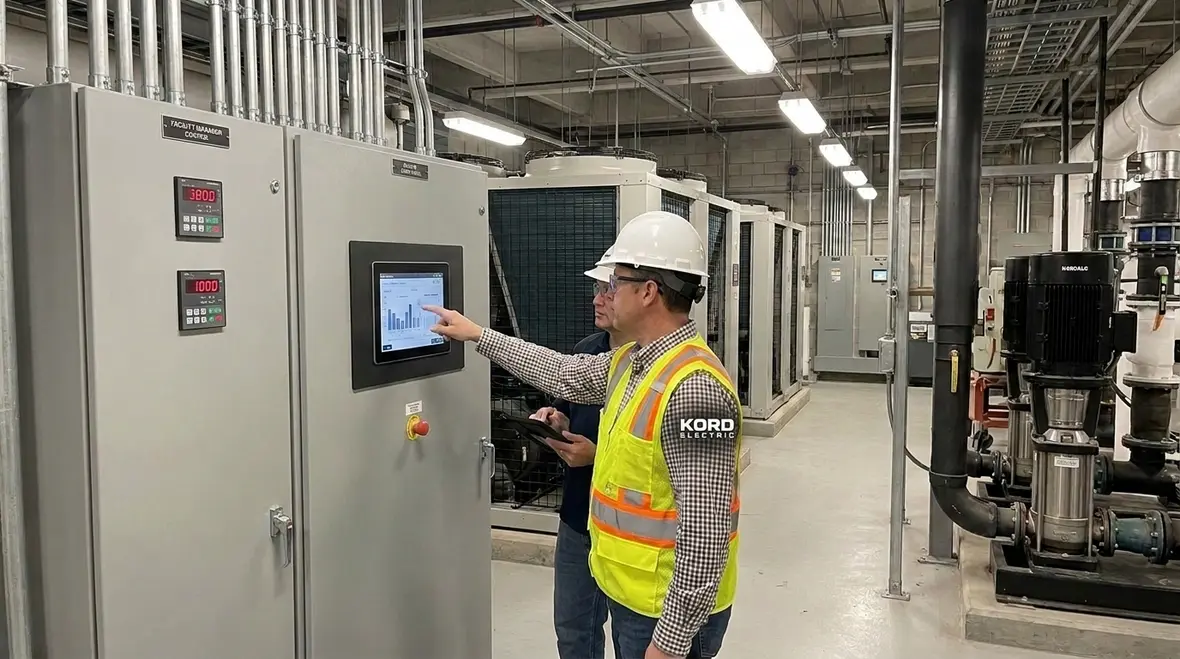
Common automation patterns include demand response settings, optimized control sequences for HVAC and chillers, and supervisory control that watches electrical demand in near real time. Moreover, we configure setpoints and thresholds so systems respond smoothly rather than in abrupt steps that can disrupt comfort or process flow.
We also verify that the electrical system supports the plan. For example, we check that feeders, transformers, and switchgear can handle the expected operating range. Then we confirm protection settings align with the new operating strategy. This is not just about reducing demand. It is about improving system health.
In many facilities, that automation work lives alongside preventive programs like commercial preventive maintenance programs, so the same monitoring data that supports demand control also feeds into long-term reliability planning.
Keeping automation transparent for your facility team
Controls only work when the facility team trusts them. Therefore, we keep demand logic, setpoints, and priorities transparent. Operators see which loads can shed first, which ones stay locked on, and how the system reacts when demand approaches a limit. That clarity prevents people from bypassing controls during a busy shift, which would undo the whole strategy.
Panel capacity, power quality, and safety stay in the picture
Some facility teams focus only on shaving peaks. Yet, a peak reduction plan that ignores power quality and safety can create new risks. So, we keep these topics tightly connected.
First, we review panel and transformer capacity so load shifting does not overload equipment later. Even if you reduce demand at 3 p.m., you must still manage what happens at 6 p.m. or during a weekend ramp. Second, we examine how motors and drives affect power quality. Starting large loads can create voltage dips, and poor control sequencing can stress sensitive equipment.
Third, we protect life safety systems and critical loads. That means we define priority levels and ensure essential systems remain powered. In many industrial facilities, that includes process safety controls, emergency systems, and critical communications. We build the plan so the building can take care of itself.
Finally, we test and verify. We monitor how the system behaves under real conditions, not just under ideal lab timing. After we validate performance, we document the logic so your team can support it confidently.
Owners who anticipate future upgrades or new load types can connect this planning with resources like the electrical infrastructure upgrade planning guide, so demand control, capacity upgrades, and long-range capital plans all point in the same direction.
Why demand planning supports long-term reliability
When Load Management for Businesses: How to Control Electrical Demand is integrated into safety reviews, equipment assessments, and maintenance programs, the building gains more than lower bills. It gains predictability. Panels run cooler, transformers stay closer to their ratings, and emergency systems avoid unnecessary stress during switching events.
What to ask Kord Electric before you start
When your company wants load management, you need a clear path. Therefore, we recommend asking specific questions early so we can align the plan with your risk, your budget, and your uptime goals.
- What do our peak periods look like across seasons and shift changes
- Which loads drive the biggest demand spikes, and when do they start
- How will we control HVAC and motor start sequences without harming comfort or process flow
- Which loads can we shed, and which loads must stay on at all times
- What electrical equipment capacity checks do we need before controls go live
- How will we measure results after implementation
- How will our facility team receive training from your technicians and service staff
Then, as we work, our technicians and expert service staff explain the “why” behind each step. We treat training like part of the install, not an afterthought. Because a control system you cannot explain is just a complicated mystery box. And we do not sell mysteries to serious commercial and industrial clients.
For organizations across the region, especially those coordinating many sites, it can be useful to connect these conversations with broader Los Angeles County electrical services, so demand planning, maintenance, and future upgrades share one consistent strategy instead of scattered fixes.
Linking demand management to everyday operations
Good questions lead to practical procedures. Once the plan is in place, your team knows which loads to watch, how to interpret monitoring dashboards, and when to call for adjustments. Over time, the building stops treating peak events like emergencies and starts treating them like routine, predictable moments that it is already prepared to handle.
FAQ
Featured snippet FAQ
For quick-reference answers, facility teams often focus on a few key questions: whether load management will lower bills, how it affects comfort, and what it means for existing equipment. The FAQ above keeps those answers clear and ready for anyone scanning the page between meetings.
Ready to control demand with a plan you can trust
If your commercial or industrial facility faces peak charges, equipment stress, or unpredictable ramp ups, Kord Electric can help. We build load management strategies around your schedules, your electrical capacity, and your operational priorities. Then we install and verify controls so performance stays stable, safety stays intact, and results show up in real data. Reach out to us for a consult, and we will map the path from today’s demand spikes to a calmer, more controlled electrical future. Let us handle the heavy lifting.
As you explore options, you can also connect this work with broader planning resources such as Kord Electric’s guide to commercial building load management strategies, which extend the same demand control mindset into long-term electrical resilience and growth planning for larger portfolios.
Whether you manage a single property or a full portfolio, Load Management for Businesses: How to Control Electrical Demand is one of the most direct ways to keep bills calmer, keep gear healthier, and keep operations from turning every hot afternoon into a suspense episode.