Manufacturing Electrical Preventative Maintenance
Maximizing Output Through Electrical Preventative Maintenance Optimization
Manufacturing facility electrical preventative maintenance optimization is how we help plants stop “surprise downtime” before it starts. When Kord Electric works with commercial and industrial facilities, we focus on keeping power quality steady, protecting equipment, and improving safety without turning maintenance into a never ending marathon. Our approach is practical, measured, and clear. In fact, we treat each shutdown window like it matters, because it does. And yes, we have seen facilities run until something fails, then act shocked. The only thing shocked should be a breaker, not your production line.
Over the next sections, Kord Electric explains how we optimize preventative maintenance across panels, wiring, grounding, lighting circuits, and key monitoring points. We also show how our technicians and expert service staff walk teams through findings in plain language, so decisions stay grounded in reality, not guesswork.
Building a Maintenance Plan That Matches Real Plant Risk

In most plants, maintenance schedules come from templates, not from evidence. We avoid that habit. Instead, our team starts by mapping electrical loads, identifying critical processes, and ranking failure risks. Then we align the work to what will hurt output most. A motor drive feeding a bottleneck line gets attention before something that only runs during a weekly shift. That is not “bean counting.” That is manufacturing facility electrical preventative maintenance optimization in action.
To keep it grounded, we break the plan into tiers. First, we target safety and code related concerns, such as grounding faults and overloaded conductors. Next, we address reliability items like thermal stress and aging terminations. Finally, we include performance checks that help keep voltage stable and harmonics under control. As a result, maintenance becomes predictable, not reactive.
What We Inspect First: Panels, Terminations, and Protective Devices
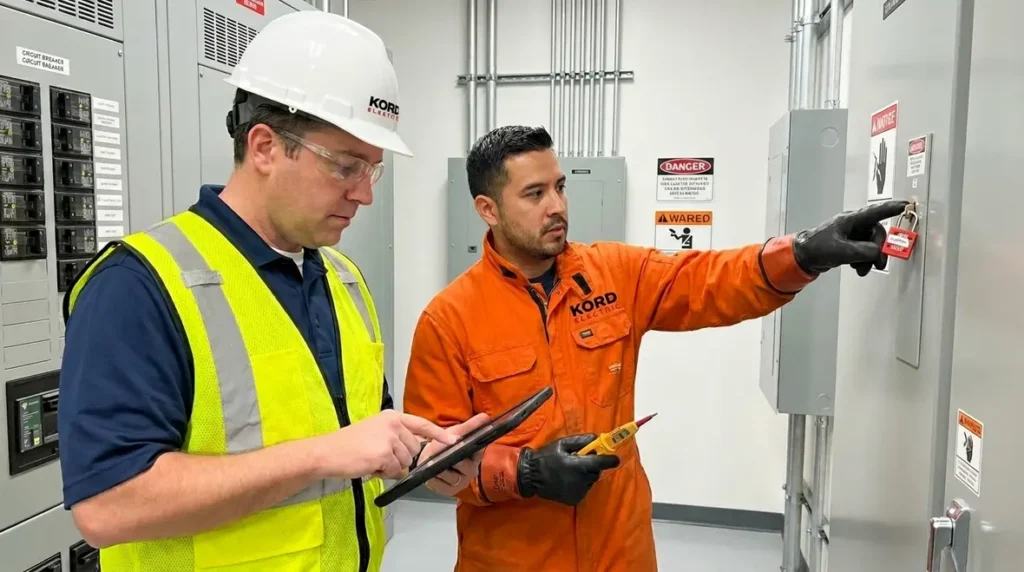
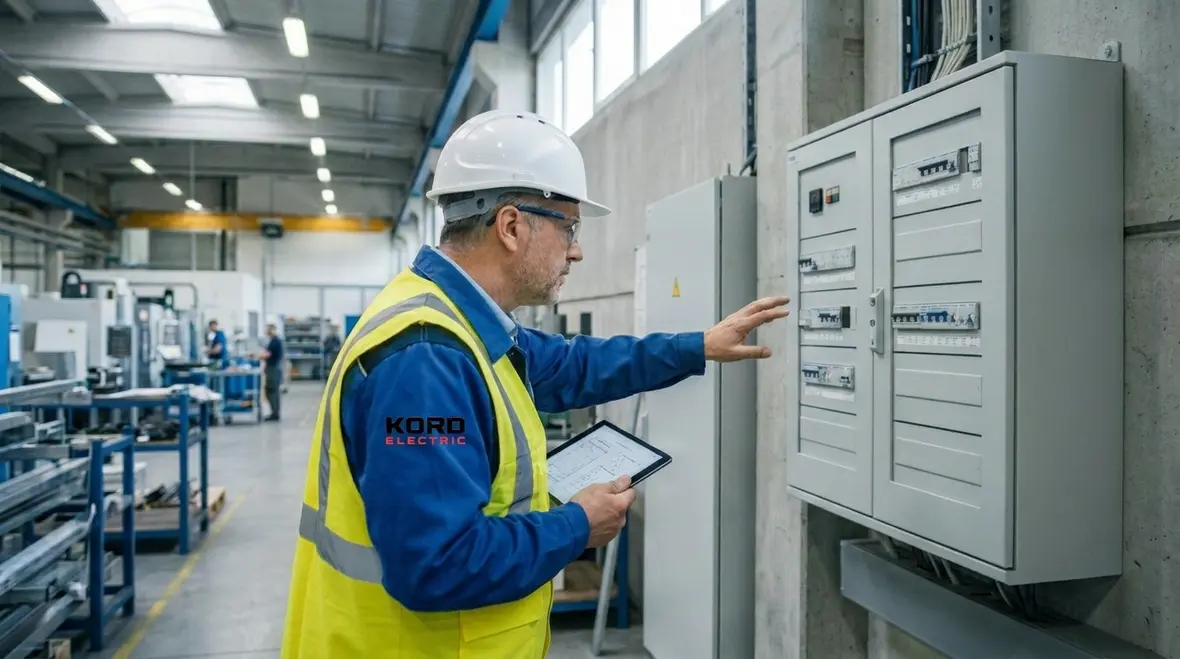
Electrical failure rarely announces itself with a parade. It usually begins as a small problem at a connection point, then grows under load. Our technicians start with the distribution system where heat and resistance build up. We inspect panels, breaker and fuse components, lugs, bus bars, and switchgear surfaces. We look for discoloration, looseness, moisture intrusion, and signs of arcing. When a plant keeps running through hidden defects, the damage usually keeps collecting interest.
Then we validate protective device performance. We check trip characteristics and confirm that settings match the actual system. We also verify that time current coordination stays intact. If a protective device does not clear faults correctly, maintenance can become a game of musical chairs during the next event. And production teams do not enjoy that game, even if they tolerate everything else.
Importantly, our expert service staff explains what they find and what it means for operations. That includes where heat damage shows up, what it indicates, and what the recommended action will change in day to day performance.

How Thermals, Humidity, and Dust Quietly Kill Electrical Systems
Industrial sites live in harsh conditions. Even well built systems face heat cycles, vibration, and contamination. Therefore, we treat environmental factors as part of manufacturing facility electrical preventative maintenance optimization, not as background noise. We plan inspections around the areas most exposed to dust, humidity, corrosive fumes, and temperature swings. When moisture enters enclosures, you can get insulation breakdown and nuisance trips. When dust coats a bus bar, you can raise operating temperatures and speed aging.
Our approach includes practical checks. We look at ventilation paths, verify that filters are in place and clean when applicable, and confirm that enclosure seals stay intact. We also review equipment placement, cable routing, and whether airflow patterns match the manufacturer guidance. In many facilities, simply correcting airflow and sealing gaps reduces thermal stress more than adding more “maintenance tickets.”
Additionally, we capture repeat findings. If the same panel develops issues twice, we treat the root cause, not just the symptom. That is how plants keep output steady while avoiding the “fix it again” loop that wastes labor and interrupts production.

Monitoring and Testing That Actually Improves Reliability
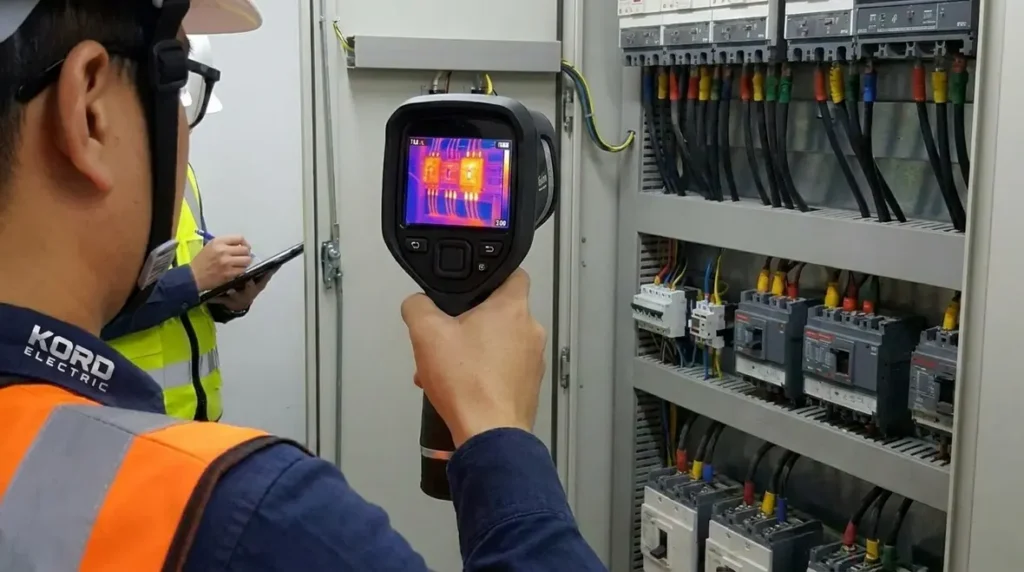
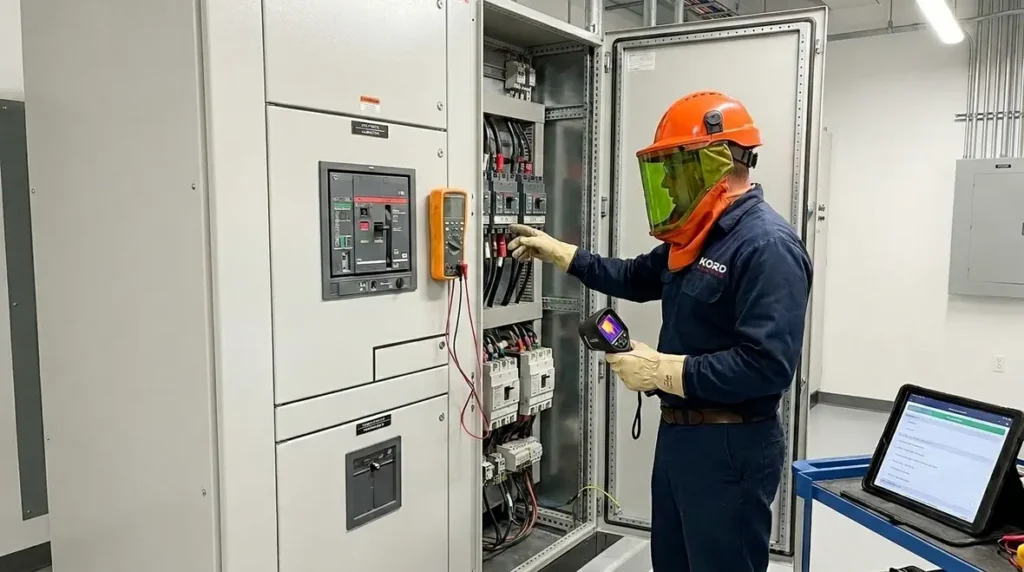
Testing is only useful if it changes decisions. Kord Electric focuses on measurements that point to actionable work. Instead of collecting data for the sake of data, we use testing to guide repairs and predict likely failure points. For example, we apply thermal imaging to spot hotspots on connections and bus areas. We use insulation resistance testing where it fits the system and the equipment rating. We also check grounding and bonding pathways to support fault clearing and safety.
We also pay attention to power quality signals that can impact drives, controls, and lighting loads. When voltage swings, harmonics, or transient events rise, sensitive equipment can behave like it has mood swings. And you do not want your controls acting like a teenager during finals week.
Then we connect results to a repair plan. Our technicians explain in clear terms what the numbers mean, what risks they signal, and how urgency changes the timeline. After that, we help facilities schedule work around production needs, so electrical maintenance supports operations rather than fights them.
Lighting and Code Compliance Inside Maintenance Workflows
Lighting often gets treated as an afterthought. In reality, the lighting system carries electrical loads, depends on correct wiring, and must meet code expectations for commercial and industrial sites. Therefore, when we build maintenance strategies, we include lighting circuits, fixtures, and related controls. This includes checking switching behavior, verifying proper circuiting, and inspecting visible damage. In plants, lighting issues can also create safety hazards and slow down inspections because nobody wants to work under dim “mystery lighting.”
Kord Electric also supports compliance work. Our team references code guidance we share in our lighting installation and compliance resource, and we apply that thinking during updates and preventive tasks. For instance, we review how lighting control devices are wired, confirm proper labeling when needed, and ensure installations support safe access and correct coverage. And yes, we do explain details like conductor routing and device requirements in a way that your maintenance supervisor can actually use during planning. For a deeper dive into these concepts, many facilities pair this topic with our Lighting Installation Code Compliance Guide, which walks through practical code expectations for real world sites.
When facilities coordinate lighting checks with broader electrical maintenance, they reduce repeated visits and improve uptime. That is the hidden win in manufacturing facility electrical preventative maintenance optimization. You fix what is connected, not just what is visible.
Coordinating Maintenance With Production Without Chaos
Preventative maintenance can either protect output or steal it, depending on planning. We build scheduling into the job, not around it. First, we review the operational plan and identify windows where load is steady or where equipment can be taken offline without harming critical flow. Then we sequence tasks so we do not open panels twice or revisit the same area for small issues that could have been bundled.
We also coordinate parts and labor. When a repair needs replacement components, we confirm lead times and stage materials before the shutdown window opens. That reduces delays and keeps work efficient. And if a problem requires deeper inspection, we explain the next step before the crew pulls resources from another area. Our expert service staff communicates clearly, because confusion during shutdowns is expensive.
Finally, we align documentation. Our reports support future checks by recording measurements, observations, and recommended actions. Thus, the next round of manufacturing facility electrical preventative maintenance optimization starts from facts, not from memory.
For facilities that want a broader, long term strategy, this mindset ties directly into structured programs like the ones described in our Commercial and Industrial Electrical Maintenance Plans resource, where preventative work, inspections, and documentation are woven into a predictable lifecycle.
FAQ
Conclusion: Let Us Optimize Your Electrical Reliability
Kord Electric helps commercial and industrial facilities improve output by tightening their manufacturing facility electrical preventative maintenance optimization program. We inspect key electrical systems, prioritize risk, and schedule work around real production needs. Our technicians and expert service staff explain findings in plain language, so your team can act with confidence. If you are ready to reduce unexpected downtime and improve safety, contact Kord Electric today. We will review your current approach and map the next steps for a smarter, steadier electrical system.
Many plants also pair this effort with targeted upgrades such as Recessed Lighting Installation and other commercial lighting services, so that preventative maintenance, code compliant lighting, and efficiency improvements move forward together instead of in isolation.