
NFPA 70 Section 230.94 NEC Overcurrent Device Relative Location
When people ask about NFPA 70 Section 230.94, they usually want one thing answered clearly: where should the NEC overcurrent device relative location be placed, especially when other service equipment exists nearby. Early on, we explain that the NEC overcurrent device relative location matters because it affects how quickly equipment can be shut down safely, how electricians work during service, and how inspectors read the plan on day one. In other words, we help facilities avoid the kind of “it passed once, so it must be fine” thinking that gets people into trouble later, like building an office breakroom out of duct tape.
For commercial and industrial facilities, this code section becomes a practical guide, not trivia. Our technicians and expert service staff at Kord Electric walk teams through the intent behind the rules, then translate those rules into clean, buildable layouts for major property buildings.
NFPA 70 230.94 in plain business terms
NEC 230.94 addresses how overcurrent devices get positioned when the electrical service includes more than one piece of service equipment. The goal stays consistent: the overcurrent device should protect the conductors and equipment in a way that supports safe shutdown and proper protection. Additionally, the rule aims to prevent confusing setups where switching and protection functions fight each other.
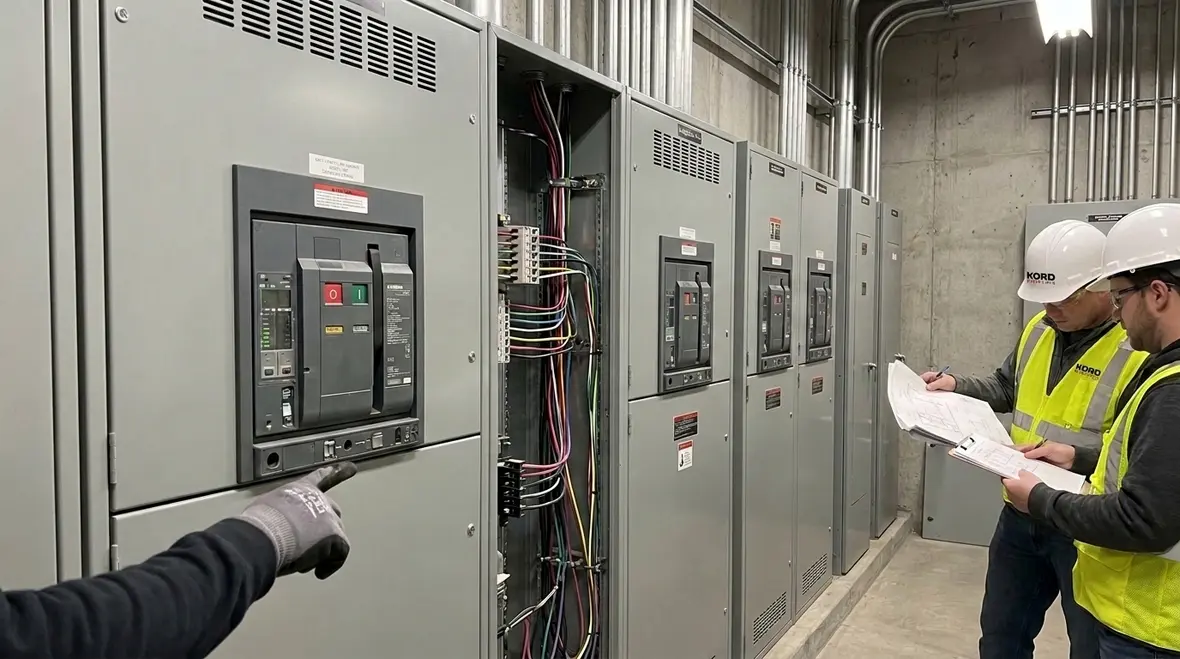
In plain terms, our experts treat this section like a traffic sign. If you place it wrong, people still drive, but eventually someone hits the guardrail. When our technicians review a site, they look at the full service arrangement: service disconnects, switchboards, automatic transfer equipment, meter locations, and anything else that behaves like “service.” Then we map how the overcurrent device relative location supports a logical, safe path from utility to load.
Why placement changes safety and service access
Many facility managers only think about code until an outage happens. Then the real world shows up. When overcurrent devices sit in a spot that does not align with the service layout, technicians lose time during troubleshooting and maintenance. As a result, shutdown procedures get slower, and the chance of human error rises.
Furthermore, placement affects labeling and operational clarity. If a team cannot easily identify the correct disconnect or protective device for a segment of the service, they waste time. And yes, we have seen teams treat the panel schedule like it is a treasure map with no legend. That is not a system design strategy. It is a “good luck” plan.
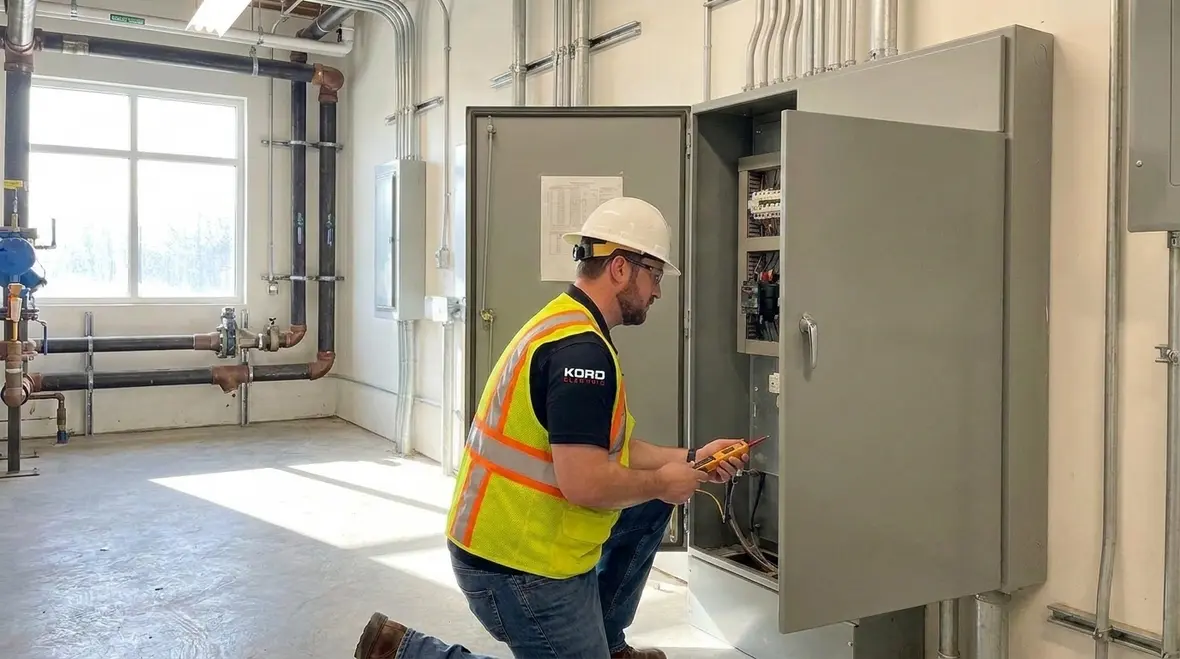
Our approach in the field involves walking the site with the electricians, then marking how each service component interacts. Next, we explain what 230.94 expects and why the NEC overcurrent device relative location ties into safe operation, safe access, and reliable protection. This is where our expert service staff earns its keep.
How service equipment relationships drive the layout
NFPA 70 Section 230.94 focuses on relationships between the overcurrent device and other service equipment. Therefore, you cannot evaluate placement by looking at one panel or one device alone. Instead, you evaluate the electrical service as a system.
For commercial and industrial installations, service arrangements often include one or more of these: service switchboards, parallel sources, service disconnecting means, and equipment that routes power to multiple building systems. Sometimes the site includes gear inside rooms, outdoor service structures, or separate distribution sections that still belong to the service boundary.
As we review a plan, we confirm how the overcurrent device interacts with the “other service equipment.” Then we ensure the arrangement supports the intent behind 230.94. In practice, this means we help clients design the path so that the overcurrent protection remains coordinated and does not turn into a scavenger hunt.
Field checks our technicians perform before anyone installs
We believe code compliance starts at the design walk, not after the device is already mounted. So our technicians run a sequence of checks that keeps projects moving.
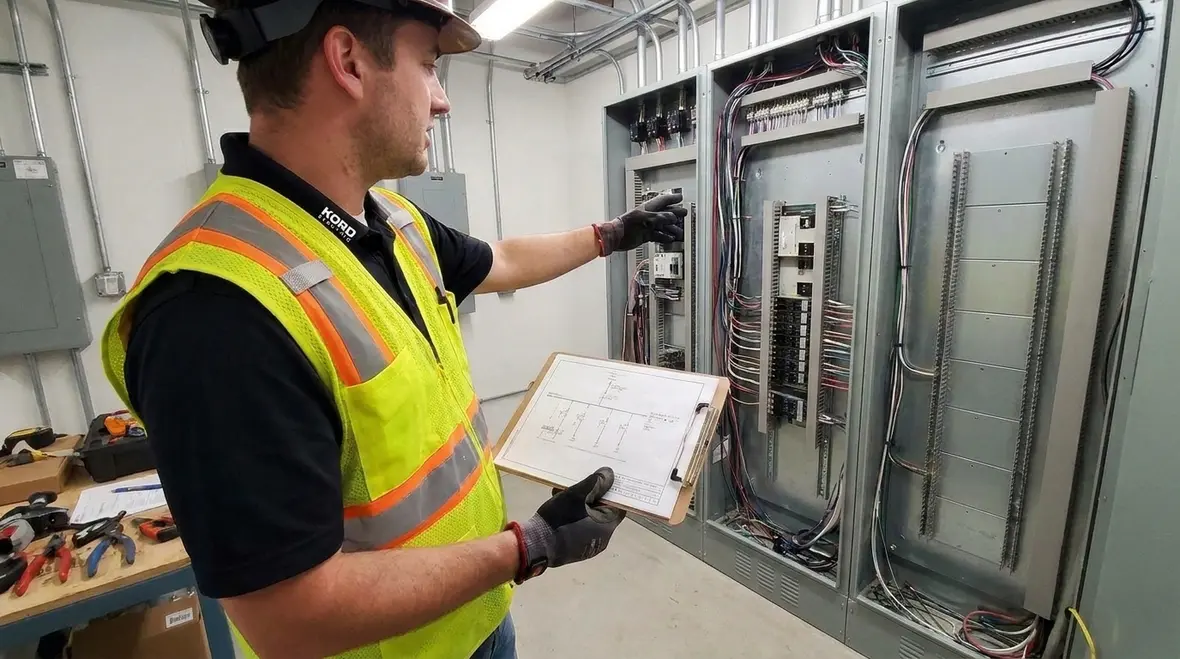
First, we verify the service description in the drawings matches the actual physical layout. Then we compare equipment lists with what will be installed. After that, we review the single line diagram and confirm the protective device functions.
Next, we check the spatial and operational relationship that affects the NEC overcurrent device relative location. That includes understanding access, separation, and how personnel will interact with the equipment during normal service and during fault conditions.
Then, we coordinate labeling and documentation. When teams can trace circuit intent quickly, response during outages becomes calmer and faster.
Finally, we stage an inspection friendly walkthrough. We do not just “hope it passes.” We explain what we are doing and why, and we document the logic so the facility team can maintain it later.
And for the record, no one enjoys arguing with an inspector. Still, when we show a clear, code aligned reason for placement, those conversations turn into collaboration instead of wrestling with a clipboard.
Coordination with other NEC requirements and practical outcomes
Section 230.94 does not sit alone. It connects with how the NEC treats overcurrent protection across the rest of the service pathway. Additionally, the rules affect how equipment remains accessible and how protective action supports safe operation.
As a facility scales, coordination becomes the difference between predictable performance and chaos. In major property buildings, there may be multiple floors, multiple tenants, and complex power routing. Therefore, teams need a placement strategy that supports selective operation and clear fault isolation where possible.
Our expert staff typically explains coordination in two layers. The first layer focuses on immediate protection at the service level. The second layer focuses on what happens downstream, when distribution boards feed critical loads like life safety systems, HVAC controls, process equipment, and communications spaces.
So, while we design around NFPA 70 and the NEC, we also design around reality. We want the electrical system to behave under stress, not just look good in a binder.
Common mistakes we see in commercial and industrial builds
Even with good intentions, teams can stumble. We see a few recurring mistakes, and we help clients avoid them early.
- Choosing placement based on convenience instead of the service equipment relationship, which then creates unclear shutdown paths during emergencies.
- Ignoring how multiple service components interact, so the overcurrent device placement does not match the intended coordination.
- Overlooking labeling and documentation, which makes troubleshooting slower and raises risk.
- Assuming one drawing detail covers the entire build, when field conditions require careful validation.
Our technicians also watch for “mystery gear” scenarios, where equipment gets added to the service arrangement after the original design. When that happens, the NEC overcurrent device relative location can shift in a way that quietly undermines the logic of the service. We prevent that by reviewing changes with the same care as the initial design.
Resources and code context we respect
We follow NEC guidance through trusted resources, and we keep our staff updated with the latest code education and practical interpretations. Kord Electric and related teams also share educational content that helps facility leaders understand how the National Electrical Code supports safe installations for major buildings. For more general NEC context, we review materials like the national electrical code explained for 2026 and NEC overcurrent discussions, while we keep the focus on what our commercial and industrial customers actually need on site.
If you want to explore more broadly, you can check our blog and code learning resources at Understanding NFPA 70: The National Electrical Code Explained for 2026, and related NEC overviews at kordfire.com. For location and service visibility, also visit kordfire.com.au. And when fire and life safety power coordination comes into play, we also keep an eye on industry education such as firepumps.org.
Yes, code research can feel like reading an instruction manual for a spaceship. But when it translates into safer service layouts, it becomes worth every minute.
How NEC overcurrent decisions connect to broader design and service
NEC overcurrent decisions do not live in a vacuum. When we plan service layouts around Section 230.94, we also look at how those choices interact with building electrical system design, data-driven electrical planning, and long-term maintenance programs. A well-placed overcurrent device can support faster electrical troubleshooting and make it easier to apply smart energy management later, because the service structure already respects clear pathways and protection zones.
On many projects, our team pairs NEC overcurrent work with broader efforts like building electrical system design for commercial facilities and data-driven electrical design for commercial and industrial properties. That way, service equipment placement, overcurrent protection, and load planning all point in the same direction.
For facilities in complex markets like Los Angeles County, those decisions tie directly into uptime, safety, and inspection performance. When Kord Electric designs and maintains systems as a whole, the NEC overcurrent device relative location becomes one more lever we use to keep power reliable instead of reactive.
FAQ
Get a compliant overcurrent layout with Kord Electric
If you manage a commercial or industrial facility, do not wait for an inspection to discover a placement conflict. Kord Electric brings expert service staff and experienced technicians who explain the intent of NFPA 70 Section 230.94, then translate it into a buildable electrical layout that supports safe operation. Contact us to review your service equipment arrangement and overcurrent protection plan. We will help you reduce delays, improve clarity for your teams, and keep your major property building powered with confidence.
For facilities across the region, many of these reviews connect directly with broader Los Angeles County electrical services that keep power steady and code compliant from the service entrance to critical loads. When NEC overcurrent device relative location, service design, and ongoing maintenance all pull together, your building spends less time in emergency mode and more time operating the way it was meant to.
When you are ready, our team can walk your site, review drawings, and map your NEC overcurrent device relative location against real-world operations, so your next inspection feels like confirmation, not a gamble.


