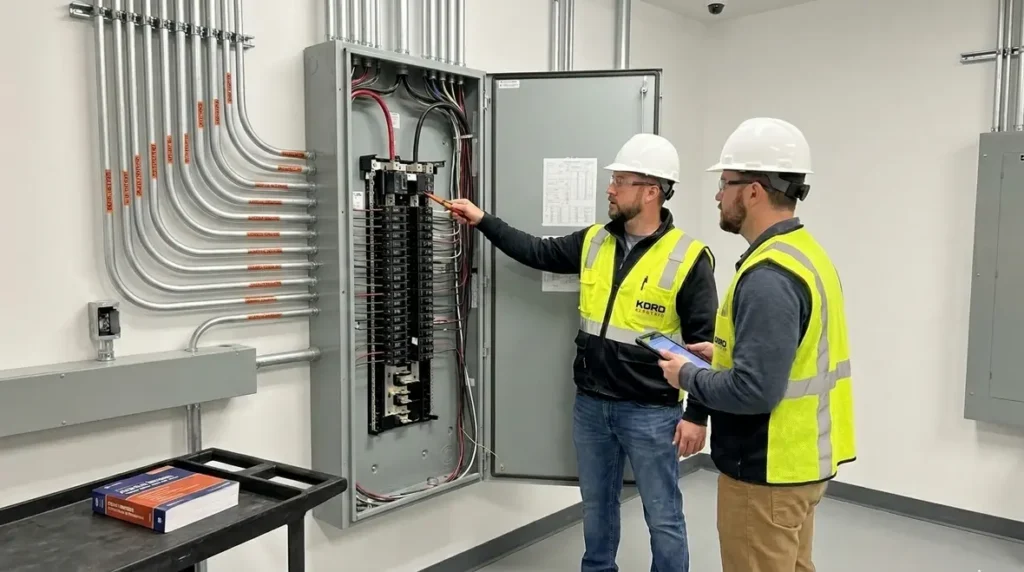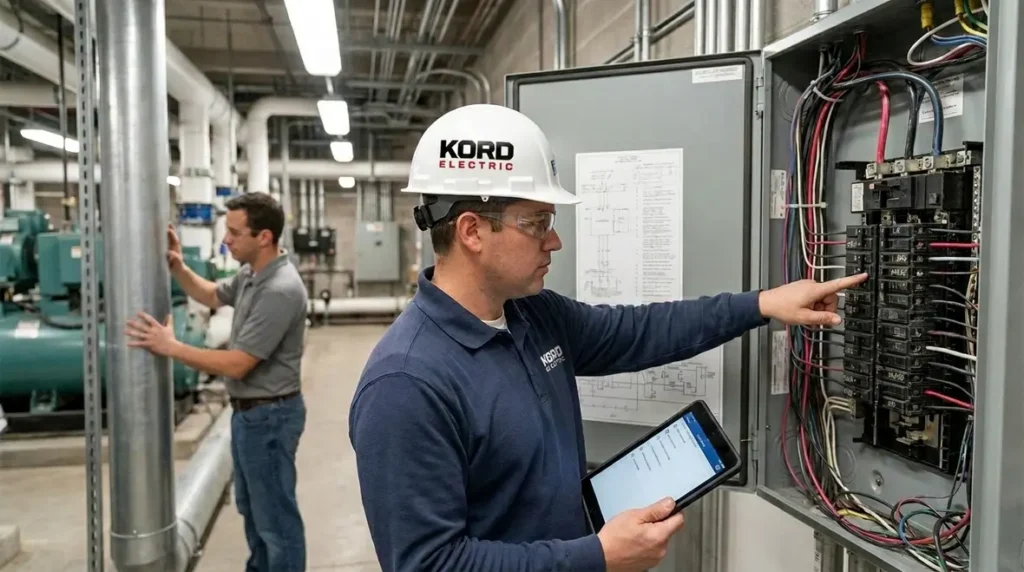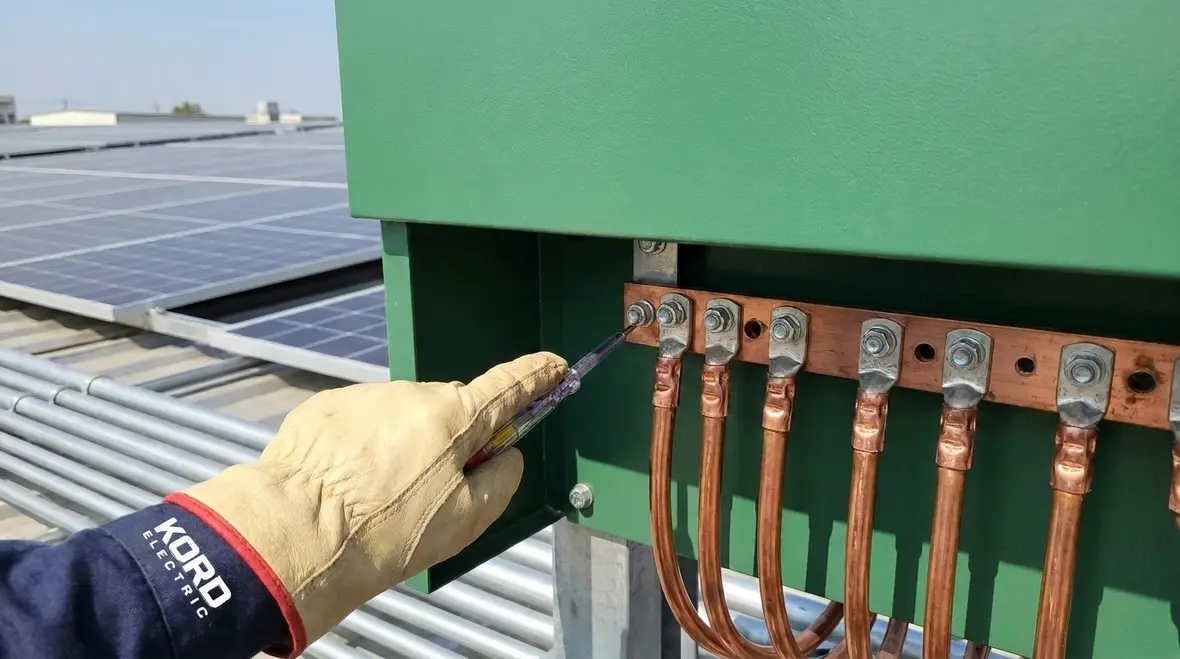
NFPA 70 Section 690.42 PV Grounding Connection Point
At Kord Electric, we support commercial and industrial facilities with safe, code minded electrical work that stands up to real life, not just theory. Early in every solar build, we help teams focus on the NFPA 70 Section 690.42 PV grounding connection point. That single detail often sets the tone for the whole system. When a grounding connection point is chosen and installed correctly, you reduce shock risk and improve system stability during fault events. And yes, we know grounding can sound as exciting as watching paint dry, but in electrical work, that quiet step is what keeps the lights on when the real drama shows up.
Our technicians explain the “why” behind the code in plain terms. Then, we document it so facility managers can verify decisions, maintain compliance, and sleep better than Batman after a long night. Still, the goal is simple: we install and support PV and electrical systems that match the National Electrical Code, including the 2026 updates and the logic that runs underneath them.
What the National Electrical Code requires for modern PV systems
NFPA 70 sets the baseline rules for safe electrical design, installation, and inspection. For PV systems, it does not just say “make it work.” Instead, it lays out how components connect, how conductors route, how protection devices coordinate, and how grounding supports safe operation.
When other trades join the project, we often see the same pattern: everyone understands the panels and inverters, but grounding and bonding feel like the “backend” nobody wants to touch. However, the backend is exactly where safety gets enforced. Our expert service staff helps teams move from vague confidence to clear compliance, and we do it step by step, so the system does not depend on lucky assumptions.
In plain terms, the NEC treats grounding as a safety path. It provides a controlled route for fault current and helps keep exposed metal parts at safer voltages. Therefore, the NEC also links grounding to equipment bonding, conductor sizing, and connection methods that reduce risk over time.
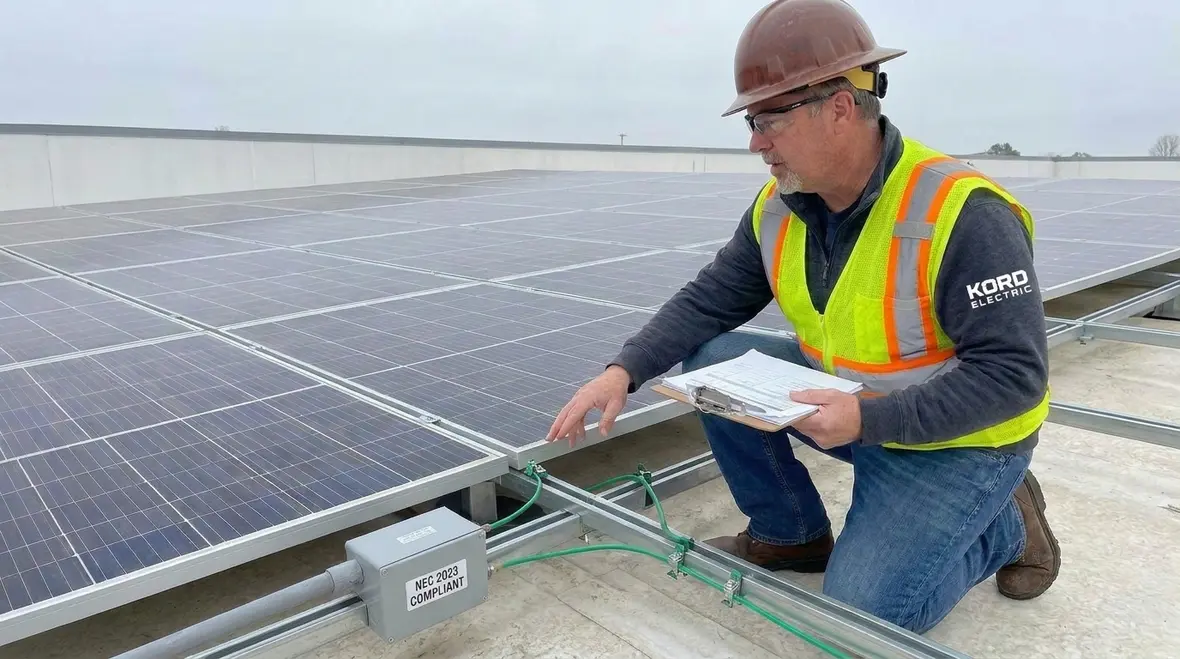
For readers who want a broader primer on how the National Electrical Code shapes electrical safety beyond PV, Kord Fire Protection’s overview on NFPA 70 and the NEC 2026 guidelines walks through why the code exists and how it reduces shock, fire, and system failure risks in real facilities.
How NFPA 70 Section 690.42 PV grounding connection point fits in
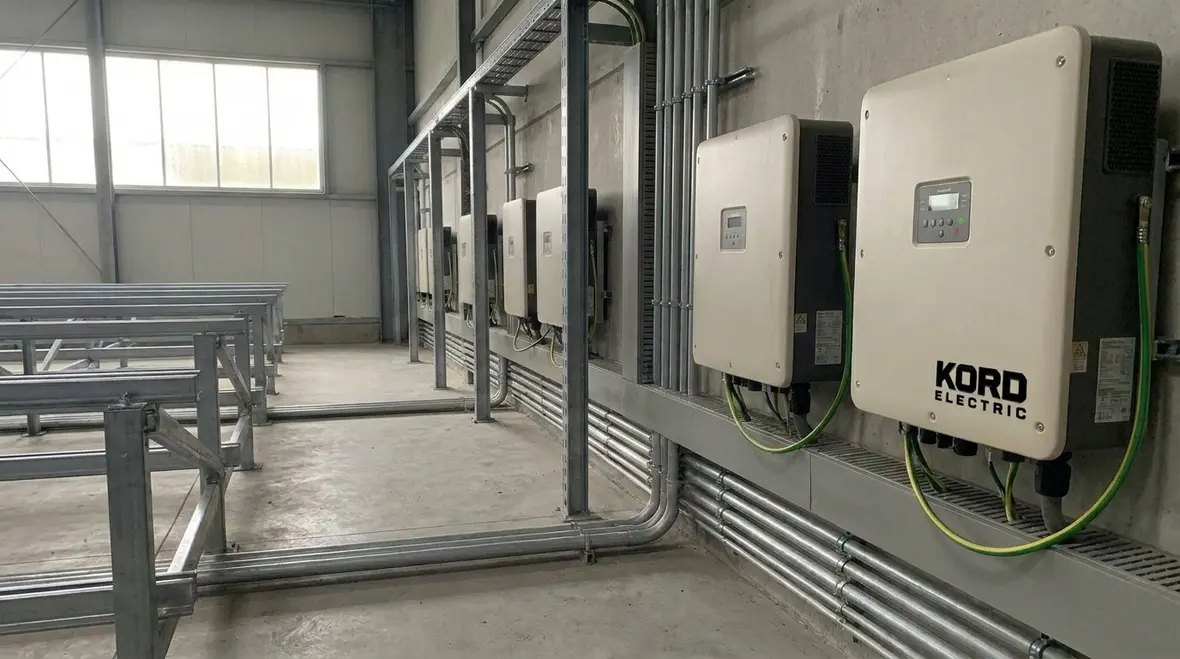
Within Article 690, Section 690.42 focuses on where and how PV systems connect to the grounding system. The NFPA 70 Section 690.42 PV grounding connection point is not a random spot on a drawing. It is the location where the PV system’s grounded parts connect in a way that meets NEC intent. That intent is to maintain safe fault behavior and consistent bonding between system parts.
For facility teams, this matters because grounding connects to the bigger electrical backbone. If the connection method does not match the required point, you risk losing the safety function during fault conditions. Also, if bonding is incomplete, you can create stray paths that raise touch voltage and complicate protective device operation.
Our technicians approach this like a checklist with real consequences. We confirm the bonding scheme, identify the connection method, and verify the conductor routing and termination quality. Then we align the PV grounding connection to the project’s overall grounding electrode system so the building and the PV system support the same safety plan.
If you are comparing how PV grounding fits into your broader electrical infrastructure, Kord Electric’s resources on commercial electrical systems for modern buildings help clarify how NEC rules, grounding, and distribution design all interact in real facilities.
Grounding vs bonding in real commercial and industrial installs
Grounding and bonding get mixed up in conversation all the time. We help others sort it out fast, because the difference changes how an install gets built and inspected.
Grounding connects electrical systems to a grounding electrode system, like metal building structures or approved ground rods, as permitted. This provides a reference point so fault current has a safe path.
Bonding connects metal parts together so they stay at the same electrical potential. In other words, bonding helps prevent dangerous voltage differences across equipment.
In industrial facilities, metal racks, enclosures, raceways, and frames can carry multiple roles. As a result, an incomplete bonding plan can create “hot metal” scenarios, even when everything looks fine during normal operation. That is why we also pay close attention to conductor types and termination methods, because a loose connection can behave like a slow leak in a tire. Nothing explodes today, but the risk grows quietly.
When we review PV grounding practices, we focus on how the PV system integrates with the facility’s existing bonding grid. If the PV design does not match the building’s main bonding plan, we address it early so the installation stays coordinated.
For teams planning broader upgrades alongside PV, it can help to pair this with Kord Electric’s guidance on electrical code upgrade consulting for renovations, which connects NEC requirements, grounding, and long term renovation goals.
Common grounding mistakes we prevent during PV commissioning
Most issues we catch do not come from bad intent. They come from rushed handoffs, unclear drawings, or teams assuming that one detail “doesn’t matter.” In electrical work, details matter. Even the smallest mistake can turn into an expensive call after the contractor leaves.
Here are mistakes we see often in commercial and industrial projects, and how our technicians prevent them:
Wrong connection location or method : We verify the PV grounding connection location and method against NEC requirements and the project’s grounding electrode plan.
Uncoordinated bonding across trades : We require a shared bonding map so electrical, structural, and solar equipment stays aligned.
Improper conductor sizing : We confirm conductor sizing for grounding paths based on the system design and NEC logic.
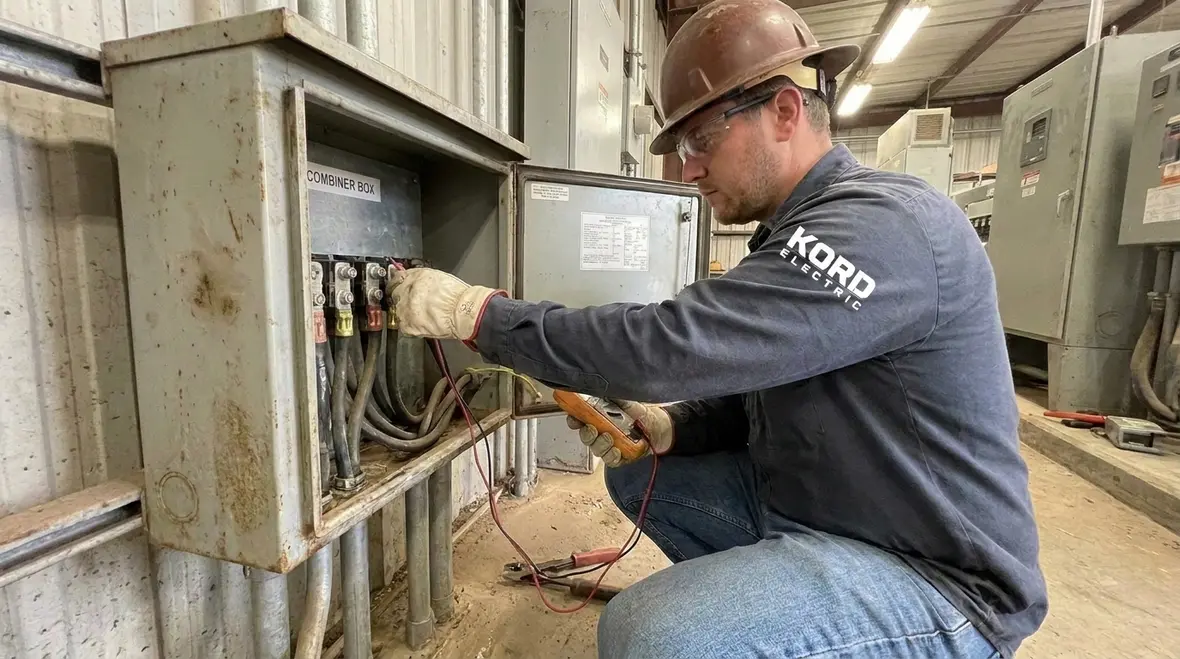
Poor termination quality : We inspect torque, contact surfaces, and enclosure fit. Loose terminations do not fail loudly. They fail predictably.
Missing documentation for inspection : We provide clear records so stakeholders can verify the installed grounding scheme.
Now, one might joke that grounding is like a seatbelt. You forget about it until the day you suddenly remember it. Still, for a major property building, we prefer the calm timeline where the only “incident” is a successful commissioning report.
To better understand how these grounding details support overall reliability, facility teams often connect this work with Kord Electric’s insights on preventing commercial power surge damage in buildings, where conductor quality, bonding, and protective devices all shape long term stability.
What the 2026 NEC updates mean for building teams
As codes evolve, teams need a practical way to keep pace. The NEC updates for 2026 continue refining how PV systems integrate, how safety paths behave, and how installations demonstrate compliance. We use trusted guidance from industry sources and our own field experience to translate these changes into job site actions that reduce risk.
For commercial and industrial facilities, we also manage the coordination challenge. These projects include switchgear rooms, fire alarm interactions, generator systems, and sometimes energy storage. Therefore, it is not enough to install PV components. Teams must ensure that protective devices, bonding and grounding, and system labeling work together so inspections go smoothly and operations stay stable.
Our expert service staff does more than install. We help building teams prepare for the “after” phase: maintenance, future expansion, and operating procedures. That way, when a facility team adds equipment later, they do not have to guess how the PV grounding scheme was handled the first time.
For a deeper, code wide view that pairs well with Section 690.42 planning, Kord Electric’s sister company Kord Fire offers a comprehensive article on NFPA 70 current guidelines for the 2026 NEC, connecting service disconnects, surge protection, energy storage systems, and more.
How Kord Electric coordinates compliance for major property buildings
When a project involves a major facility, Kord Electric builds electrical plans around a simple premise: safety depends on coordination, and coordination depends on communication. We work with site stakeholders, contractors, and other trades to ensure that PV grounding and electrical integration do not drift from the design basis.
We also document critical decisions. When stakeholders ask why a certain grounding connection method was chosen, we can show the code logic, the installed details, and the commissioning checks. That approach keeps reviews clear and prevents “he said, she said” confusion that wastes time and increases cost.
And yes, we keep it straightforward. We explain in plain language, and we do not hide behind jargon. If a facility manager wants to know what was installed and why, our technicians explain it directly, calmly, and without making it sound like rocket science. (If we wanted rocket science, we would have applied for a job at NASA. We are electrical pros, not spacecraft whisperers.)
To make the coordination even easier, we often align our internal checklists with guidance published across related electrical and fire code education resources. That helps keep grounding practices consistent with broader safety thinking for commercial environments.
If your facility is planning a mix of PV, distribution upgrades, and reliability improvements, it can also help to review how Kord Electric handles emergency power for business continuity design, since generator, transfer, and grounding choices often intersect with PV interconnection strategy.
Dual-column compliance checklist for solar grounding steps
Use this compact checklist during planning and installation. Our technicians apply it to commercial and industrial projects where documentation and inspection clarity matter.
|
Planning and verification
|
Install and commissioning
|
Teams who like structured tools often pair this with Kord Electric’s approach to electrical supply planning tools for construction projects, which helps keep materials, schedules, and compliance moving together instead of fighting each other.
FAQ
NFPA 70 Section 690.42 PV grounding connection point questions
Conclusion
When you build a PV system for a commercial or industrial facility, grounding cannot be an afterthought. Kord Electric helps your team follow NEC intent, verify the correct NFPA 70 Section 690.42 PV grounding connection point, and install with quality you can document. If you want fewer inspection surprises and a cleaner commissioning path, contact us. Our technicians explain the details, coordinate with your stakeholders, and deliver a safety first system that keeps operations running with confidence.
For facility owners and managers across Southern California who want support beyond a single PV project, Kord Electric’s Los Angeles County electrical services cover commercial and industrial work from design and upgrades to troubleshooting and long term maintenance.
If you are building a wider learning path around NEC changes, be sure to bookmark Kord Fire’s article on NFPA 70 current guidelines for 2026 and keep an eye on the evolving Kord Electric blog library, where new code focused posts continue to roll out for commercial and industrial teams.