NFPA 70 Section 694.56 Turbine Disabling Instructions
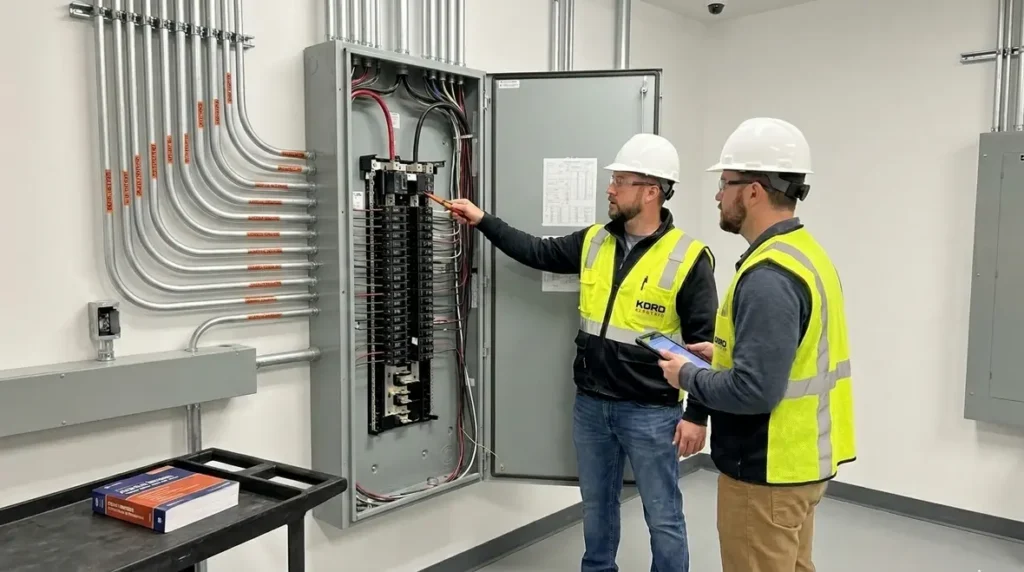
In commercial and industrial facilities, safety rules do not wait for a bad day. That is why we at Kord Electric begin our reviews with compliance first, especially when power loads involve sensitive equipment. Early in our process, we follow the NFPA 70 Section 694.56 turbine disabling instructions by ensuring turbine disabling methods match the code intent before anyone attempts maintenance, testing, or troubleshooting. In plain terms, we confirm that disabling steps for the turbine are clear, documented, and performed in a way that prevents unexpected start up. Then we move forward with wiring, disconnecting, and system checks. It is less exciting than a movie scene, but far more reliable than “winging it” like an overconfident action hero who forgot the safety gear.
What NFPA 70 and NEC updates really mean for businesses
NFPA 70, commonly called the National Electrical Code, guides how others design and install electrical systems to reduce shock, fire, and equipment damage. Meanwhile, NEC updates refine how professionals interpret that safety goal. For a business, these updates matter because electrical failures stop operations, disrupt production, and raise insurance questions. And yes, we have seen sites where one unclear interpretation turned into weeks of rework. So we take a steadier path.
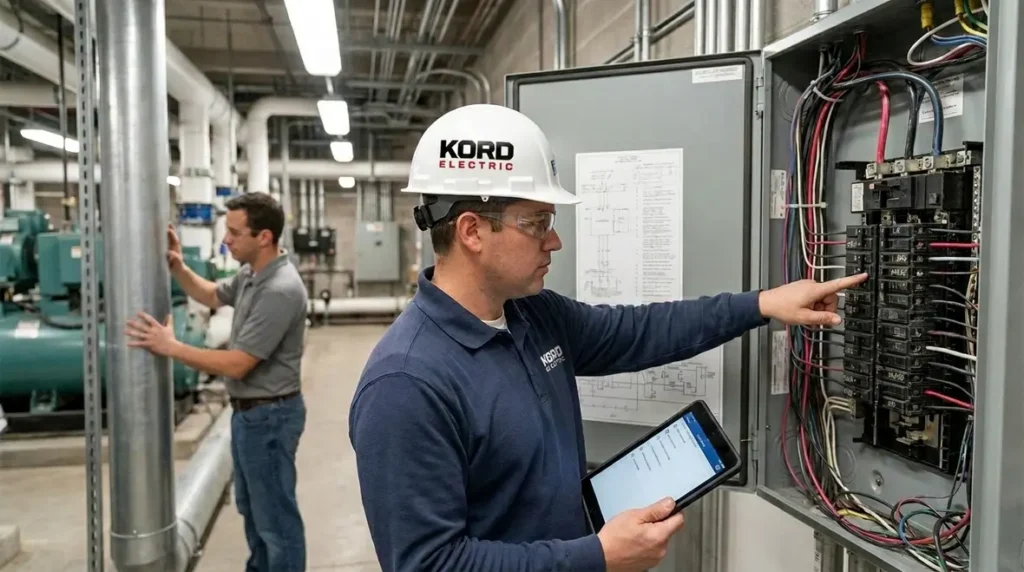
When our technicians review a facility, we do not treat the code like trivia. Instead, we look at how the code affects your actual equipment and daily workflow. Therefore, we connect the rules to real components such as feeders, disconnects, overcurrent protection, grounding, conductor sizing, and labeling. Then we ensure that new work, expansions, and retrofits follow the latest safe practices. As a result, your installation stays aligned with expectations from inspectors, insurers, and facility managers.
We also coordinate with specialists when the project involves fire pump systems and other life safety loads. For reference, our friends at Kord Fire build their guidance around practical fire safety concerns, and we blend that mindset into our electrical reviews. For teams who want a deeper dive into how the National Electrical Code shapes real projects, we also align this work with resources like our guide on what NFPA 70 means in practical terms for major buildings and our companion article Understanding NFPA 70: The National Electrical Code Explained for 2026, which connect the rulebook to day-to-day decisions in 2026 era facilities.
How Section 694.56 fits turbine systems and startup risk
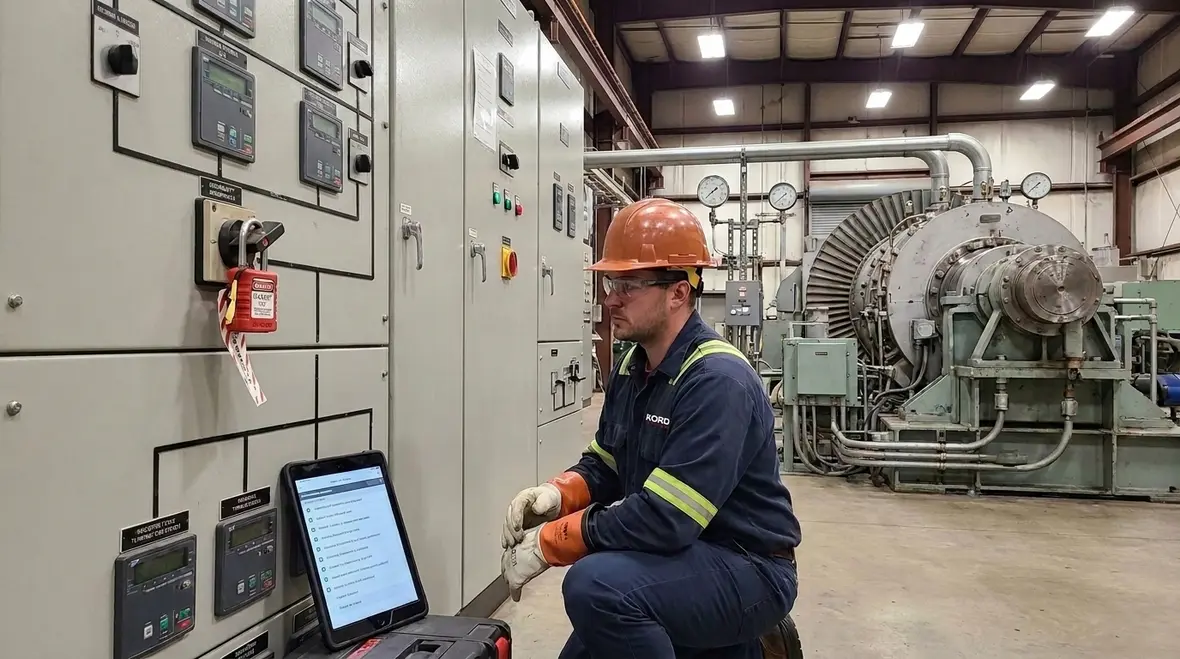
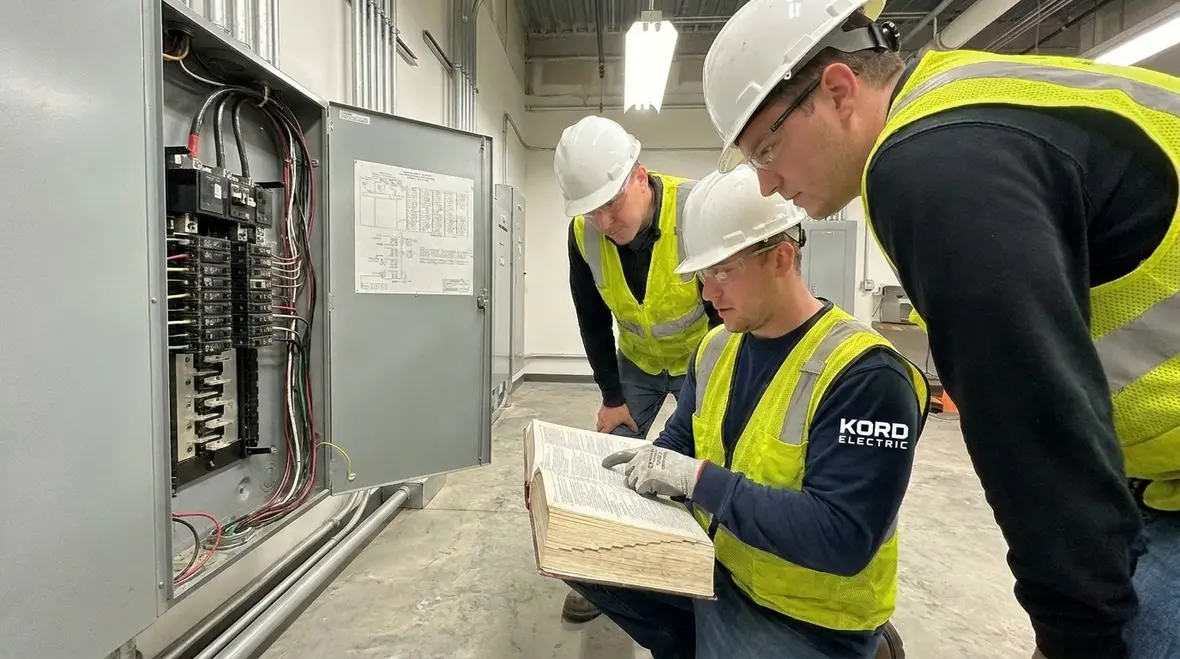
Now we come to turbine related electrical systems, where disabling instructions carry extra weight. Under NFPA 70 Section 694.56 turbine disabling instructions, the key idea is to stop the turbine in a controlled, safe way before work begins. Therefore, we focus on who performs the disabling steps, what equipment gets disabled, and how the system prevents reactivation while technicians handle electrical parts or do mechanical checks.
In many facilities, a turbine system does not live alone. It often connects to control circuits, power conversion equipment, and protective devices that respond to voltage and frequency changes. Because of that, a “simple” lockout is not always enough if the system can still start through an alternate path. Our technicians verify the disabling sequence so that expected behavior matches the code intent. Then we confirm that the field labeling, documentation, and interlocks support the procedure.
To keep things calm and clear, we break turbine disabling into a repeatable workflow. First, we confirm the system configuration. Next, we identify the correct disconnect or disabling points and verify that disabling prevents hazardous motion and unexpected electrical energizing. Then we document the steps and ensure the facility team knows how to apply them during future service. In short, we reduce risk, and we reduce confusion for the people doing the work.
Where electrical design meets real site operation
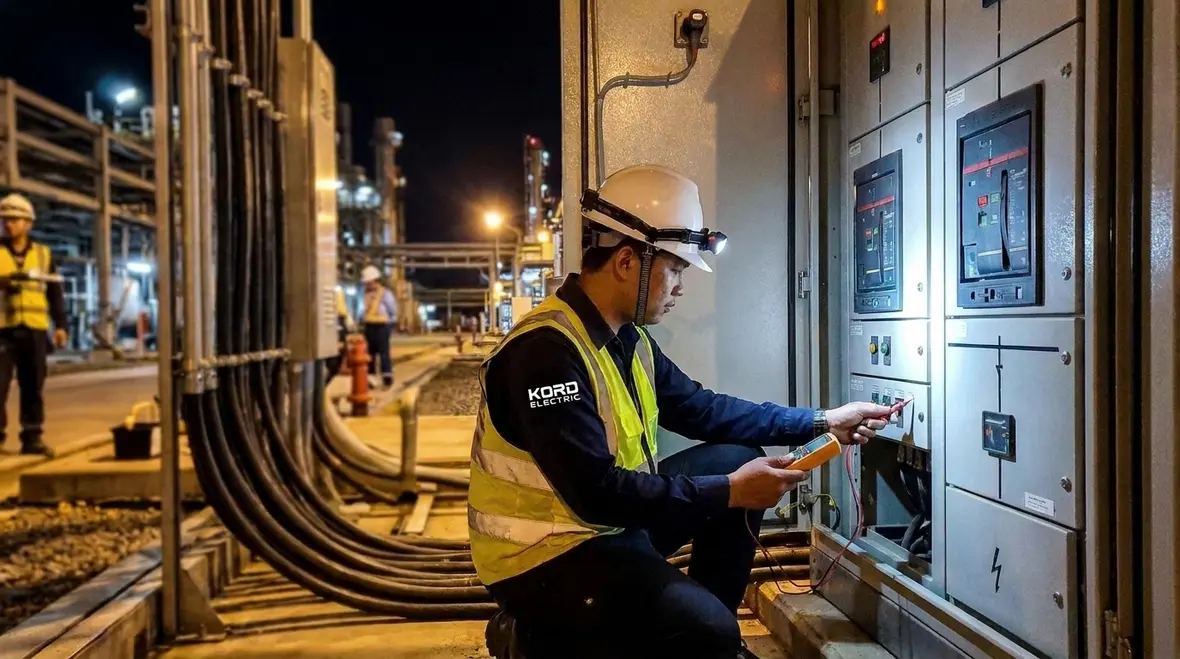
Code compliance is not just a set of lines on a drawing. It becomes real when the facility runs at 2 a.m. and a technician needs access without guesswork. So our team at Kord Electric evaluates how the electrical system behaves under stress, how operators handle switching, and how maintenance teams isolate power quickly and safely.
We pay attention to the details that often cause delays during commissioning. For example, we check that overcurrent protection matches the load profile and that grounding and bonding support fault clearing. We also verify that conductors are sized correctly for operating conditions and that terminations follow good workmanship standards. Furthermore, we confirm that disconnecting means allow safe de energizing without forcing staff to reach into energized areas.
If the project touches fire protection interfaces, we coordinate with fire pump stakeholders and system designers. Organizations like FirePumps explain the broader safety ecosystem, and we use that context to make electrical plans line up with life safety expectations. In practice, we treat electrical design and operational procedures like one combined system, because that is how inspectors and incident investigations tend to view them.
Practical steps our technicians use during NEC oriented reviews
When we say “expert service,” we mean our technicians follow a process. And because we work mainly with commercial and industrial facilities and major property buildings, we tailor the steps to operations, occupancy schedules, and maintenance requirements. After all, nobody wants a lengthy outage while your facility is trying to hit production targets.
Here is how our team typically approaches NEC oriented reviews, including turbine related disabling requirements:
- Site walk and system mapping: We identify what is connected, where it connects, and how control and power pathways interact.
- Disable and isolation walkthrough: We verify the NFPA 70 Section 694.56 turbine disabling instructions steps, including how the system prevents unexpected startup during service.
- Labeling and documentation check: We ensure instructions, signage, and single line documentation match the field installation.
- Protection and grounding verification: We confirm coordination of overcurrent protection and correct bonding for safe fault clearing.
- Testing and commissioning support: We validate operational behavior and confirm that switching and isolation act as intended.
- Training handoff: We explain the procedure in plain terms so facility staff can execute it without turning it into a group puzzle.
We also keep our tone direct. If a step is missing, we say so. If the procedure needs refinement for safety, we provide it. You can call it business, but we prefer to call it avoiding the kind of issue that shows up on an incident report and ruins everyone’s afternoon.
Using safe shutdown planning to reduce downtime and liability
Safety planning lowers risk, and it also lowers downtime. When disabling steps are unclear, facilities often extend work time while teams hunt for answers. That delay costs money and increases exposure. Therefore, our approach focuses on safe shutdown planning that teams can follow under pressure.
We treat turbine disabling instructions as part of a broader shutdown strategy. That strategy includes the order of operations, verification points, and recovery steps. In other words, we plan for both the “do not energize” phase and the “return to service” phase. Then we make sure the equipment state matches the documentation.
Additionally, we coordinate with facility leadership on how shutdown planning integrates with permits, lockout and tagout, and maintenance schedules. We do not leave the details to chance. Instead, we clarify responsibility so that others do not rely on memory or assumptions. That is how you avoid repeating the same mistake twice, which is common enough to feel like a recurring sitcom plot.
Key points from the NEC for major buildings, explained simply
Even though the National Electrical Code covers many topics, major building owners and facility managers usually care about a handful of outcomes. Those outcomes include preventing shock, limiting fire spread, ensuring safe disconnecting, and supporting proper protective device performance. As we guide commercial and industrial projects, we connect those outcomes to the sections that matter most to the work you are doing.
To stay practical, we also reference related fire safety guidance through our wider network, including insights from Kord Fire and regional fire pump education sources. When electrical and fire related systems interact, we treat them as a single safety goal. That way, you do not end up with one team building to one interpretation and another team building to a different one.
For facility leaders who want to connect turbine disabling and NEC alignment to a broader electrical strategy, we also encourage reviewing planning resources like our electrical infrastructure upgrade planning guide and our discussion on commercial electrical design, power, safety, and code requirements, both of which show how careful design and documentation keep turbines, panels, and protection devices working together instead of fighting one another.
Reference comparison (dual column)
What our electrical team emphasizes
|
What our fire safety coordination emphasizes
|
FAQ for facility teams and maintenance leads
Ready for a code aligned turbine and electrical safety plan
If your facility uses turbine related equipment or complex electrical systems, we can help you move from guesswork to a safe, documented plan. At Kord Electric, we bring expert technicians, clear procedures, and NEC minded reviews for commercial and industrial facilities. We explain the steps, verify the isolation behavior, and support commissioning so teams can work confidently. Reach out for an assessment and let us help protect your people, your uptime, and your project schedule. Safety should not feel like a mystery novel.
For facilities in Southern California and beyond, this work fits naturally alongside our broader Los Angeles County electrical services for commercial and industrial buildings, where turbine disabling, NEC compliance, and everyday electrical reliability share one simple goal: keeping your operations running safely without surprise plot twists.