

Preventing Data Center Downtime With Smart Power Design
Preventing Data Center Downtime Starts With How Power Is Built
Preventing data center downtime is not a slogan at Kord Electric. It is a job we do before the lights even flicker. In the first place, we plan for failure, we remove weak points, and we keep power systems stable so your servers, storage, and networks stay ready. Then, we maintain the equipment with care, not with guesswork. Our technicians and expert service staff explain what they find, why it matters, and how to fix it without drama. Because when power fails in a data center, the clock starts ticking faster than a streaming service when you hit “rewind.”
In this article, we focus on strategic power design for commercial and industrial facilities and major property buildings. We show how a deliberate approach to distribution, panels, and switchgear helps prevent outages before they happen. And yes, we also include a few jokes, because even serious electrical work should not feel like watching paint dry.
Design Choices That Keep Power Steady Under Stress
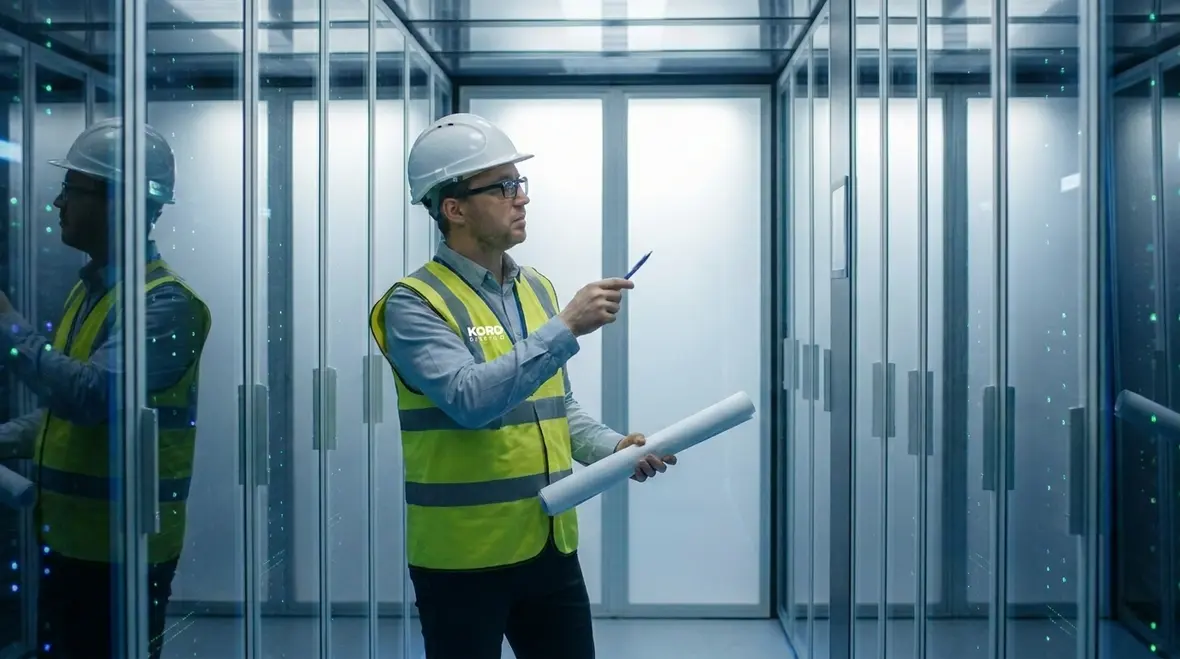
When Kord Electric designs or upgrades power systems, we do not treat electricity like a mystery box. Instead, we look at load, redundancy, and how equipment behaves during real-world events. Then we build plans that match how your facility runs, not how it runs on paper.
First, we analyze critical loads such as cooling, networking, security systems, and server clusters. Next, we map how power flows from source to distribution. After that, we confirm that components can handle surges, harmonic effects, and normal peak demand without overheating or failing early. Furthermore, we review whether your architecture uses the right level of backup, isolation, and transfer logic. For many major property buildings, the goal is not just “power available.” The goal is power you can trust when something goes wrong.
We also consider future growth. Data centers and large commercial spaces do not stay still. Therefore, our designs include space, capacity, and configuration that support expansion without forcing rushed retrofits later. Otherwise, you end up with a system that works today but becomes a problem when tomorrow’s equipment arrives. And that is how outages sneak in, like an uninvited guest who always shows up right before a big meeting.
Finally, we align the electrical design with safe practices and maintenance realities. If the layout makes inspections difficult, your team will avoid them, even if they want to do the right thing. So we design for access, labeling, and clear workflows. That is how prevention starts.
If you want to see how this kind of planning connects to real-world performance, you can also explore our article on data center electrical distribution design for reliability, where we break down how distribution choices affect uptime in detail.
Why NFPA 70B Maintenance Planning Matters for Switchgear
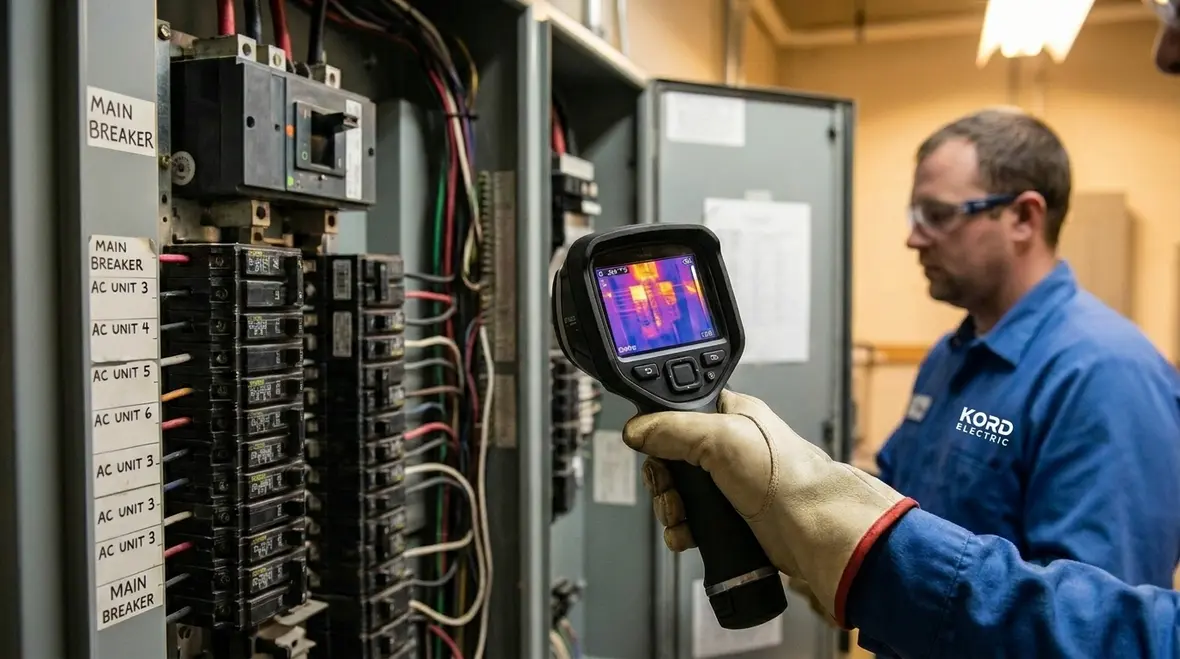
Strong design still needs strong maintenance. That is where NFPA 70B maintenance planning becomes a practical tool, not a binder full of rules. We follow the principles behind the guidance in our blog on NFPA 70B electrical panels and switchgear maintenance, because equipment lives through cycles, heat, and time.
In our experience, switchgear and distribution equipment fail for predictable reasons: loose connections, insulation breakdown, contamination, moisture intrusion, and parts that simply wear out. Moreover, failure often begins as a small issue that grows quietly. One day the system looks fine. Then the next day you hear that sound nobody wants to hear. If you have ever heard a breaker struggle, you know it does not sound like a hero movie soundtrack.
Our technicians and expert service staff evaluate condition through inspections, tests, and documentation. We check mechanical operation, verify terminations, and look for signs of overheating or abnormal wear. Then we confirm settings and operational behavior. We also review previous work and maintenance history so you do not repeat the same error year after year.
Because we work with commercial and industrial facilities and major property buildings, we plan around uptime. We coordinate schedules, isolate only what is needed, and manage risk during service windows. As a result, you get maintenance that supports reliability instead of interrupting operations.
If your facility is setting up a structured preventive program, you can also connect this thinking with our electrical preventive maintenance services, where we turn NFPA 70B ideas into scheduled, data-driven inspections and testing.
How Preventing Data Center Downtime Happens in Power Distribution

Preventing data center downtime often comes down to distribution details. Power does not fail all at once. It fails in places where stress concentrates. Therefore, we focus on the distribution path: transformers, switchgear, transfer equipment, busways, panels, and critical feeders.
First, we verify that protective devices coordinate correctly. If relays and breakers do not coordinate, the system may trip unnecessarily during normal events, or worse, fail to trip when it should. Next, we check that conductor sizing and loading match the actual load profile, including peak periods. Then we confirm that terminations stay within temperature and torque specifications.
We also pay close attention to panelboards and distribution boards. Dirt and moisture do not care how expensive the server racks are. Over time, contamination can contribute to insulation problems and contact degradation. In addition, we look for signs of abnormal arcing or discoloration that can indicate trouble inside enclosures.
Then we address the human side of maintenance. Labels matter. Access matters. Documentation matters. If your team cannot quickly identify circuits or understand what was changed last, troubleshooting becomes a guess-and-check process. However, our service staff explains each finding clearly, so operators can make decisions fast and safely.
And yes, we sometimes joke that electricity loves “surprises,” but your business should not. With a structured approach, we reduce the odds that minor issues grow into costly downtime.
For a deeper dive into how distribution choices affect uptime, you can pair this article with our piece on data center electrical requirements for uptime, which walks through how loads, redundancy, and testing work together.
Thermal and Electrical Testing That Finds Problems Early

Testing is where strategy becomes real. Instead of waiting for failure, Kord Electric measures conditions while the system operates normally. Then we use trends to predict risk. This approach keeps your facility from becoming a case study in avoidable outages.
Thermal imaging can reveal hotspots at terminations and bus connections. As heat rises, performance drops and wear accelerates. Additionally, electrical testing helps verify insulation health and checks continuity paths. We also confirm breaker and switchgear performance through functional testing where it fits your operational plan.
However, tests only help if someone interprets them correctly. That is why our technicians do not just run equipment. They explain what they see and what it means for reliability. In a business setting, clarity beats complexity. Your team should know whether a reading points to a routine adjustment or a condition that needs immediate correction.
Furthermore, we document results in a way that supports future service. That means trends over time, not one-off notes. Then, as the facility changes, you can see whether risk is growing, stable, or improving.
We also help you plan corrective actions in the right order. Sometimes the smartest move is to address the highest risk connections first, then move down the list. In other cases, you need to correct a design mismatch that will keep stressing parts of the system. Either way, we keep the work aligned with commercial and industrial uptime needs, not generic schedules from a different world.
If you are building a routine around these tests, our data center electrical maintenance checklist can help your team organize inspections, testing, and follow-up steps in a way that supports preventing data center downtime over the long term.
Keep Operations Calm With Clear Procedures and Communication
Even the best equipment can fail operationally if people do not follow procedures. Kord Electric focuses on communication because downtime prevention includes teamwork. We work with facility managers, electrical staff, and operations teams to set expectations before service begins.
First, we coordinate shutdowns and service windows so the critical loads stay protected. Next, we define responsibilities and confirm safe work steps. Then we ensure that the right personnel are present and that access requirements are handled early.
Our service staff also trains your team on what to watch. That can include signs of abnormal sounds, changes in breaker behavior, recurring alarms, or enclosure conditions that indicate moisture or contamination. Moreover, we help you understand what maintenance categories apply to each asset and how often to inspect.
When technicians explain findings in plain language, you get fewer surprises. Instead of vague reports, you receive clear next steps. And because commercial and industrial facilities and major property buildings run on strict timelines, clear communication helps you schedule repairs without creating new risks.
As a bonus, it also keeps meetings shorter. Nothing ruins a productive day like a five-person task force arguing about what “minor” means. We try to avoid that. Electricity does not need a committee.
Security, Safety, and Compliance in Major Property Buildings
Power reliability links directly to safety. Therefore, Kord Electric treats compliance and safe practices as part of the prevention plan, not a separate checklist. When your power system operates correctly, you also reduce the chance of hazardous conditions such as overheating, arcing, or incorrect device operation.
We also consider how electrical infrastructure interacts with security and life safety systems in major property buildings. Critical loads require reliable power, stable distribution, and predictable transfer behavior. In addition, equipment rooms must stay secured and maintained to reduce unauthorized access and avoid accidental damage.
Where appropriate, we help align maintenance and inspection routines with the principles behind NFPA 70B. Then we ensure that your documentation supports audits and internal reviews. For our clients in commercial and industrial facilities, this means a clearer risk profile and better readiness for operational demands.
And if you are wondering whether this is “too much,” remember: outages do not ask for permission. They just show up. So we plan ahead, we keep it safe, and we keep it stable.
FAQ
Ready to Reduce Risk Before the Next Outage?
At Kord Electric, we help commercial and industrial facilities and major property buildings prevent outages by pairing smart power design with disciplined maintenance. Our technicians and expert service staff inspect, test, document, and explain what you need, so you act with confidence. If you want to strengthen distribution reliability, reduce failure risk, and support uptime goals, contact us today. We will review your current setup and recommend a practical plan you can execute without guesswork. Let’s keep your power steady, and your business calm.
For organizations across the region, our broader Los Angeles County electrical services support new installations, upgrades, and maintenance that all point toward one outcome: preventing data center downtime and keeping critical operations stable.
If your facility needs a long-term partner for inspection, testing, and risk-based planning, we can also connect your design and maintenance strategy with our dedicated electrical preventive maintenance programs, so uptime stays protected year after year.


