Data Center Power Quality Maintenance Guide
Reliable data center operations start with data center power quality maintenance
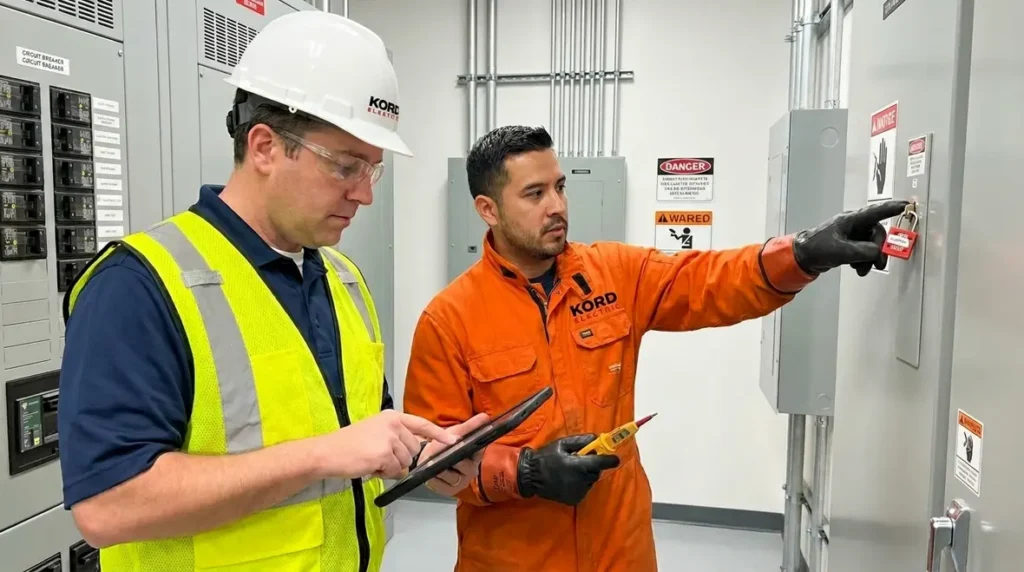
In commercial and industrial facilities, the moment power quality slips, the ripple shows up fast. At Kord Electric, we focus on data center power quality maintenance that keeps critical loads stable and helps prevent downtime that nobody schedules for. Our approach is practical and audit friendly, and our trained technicians and expert service staff explain what they find in plain language. We also help teams plan fixes before problems become incidents. And yes, we know power problems can feel like a bad sitcom, where the same character keeps coming back. That is exactly why we treat maintenance as a disciplined routine, not a “we will look at it later” activity.
What power quality issues hit data centers first

Power quality problems rarely announce themselves with a siren. Instead, they show up as heat, nuisance alarms, unstable performance, and unexpected wear on equipment. For example, voltage sags can stress power supplies and battery systems. Harmonics can overheat neutral conductors and transformers, which then shortens equipment life. Meanwhile, frequency drift and transient events can disturb sensitive control circuits.
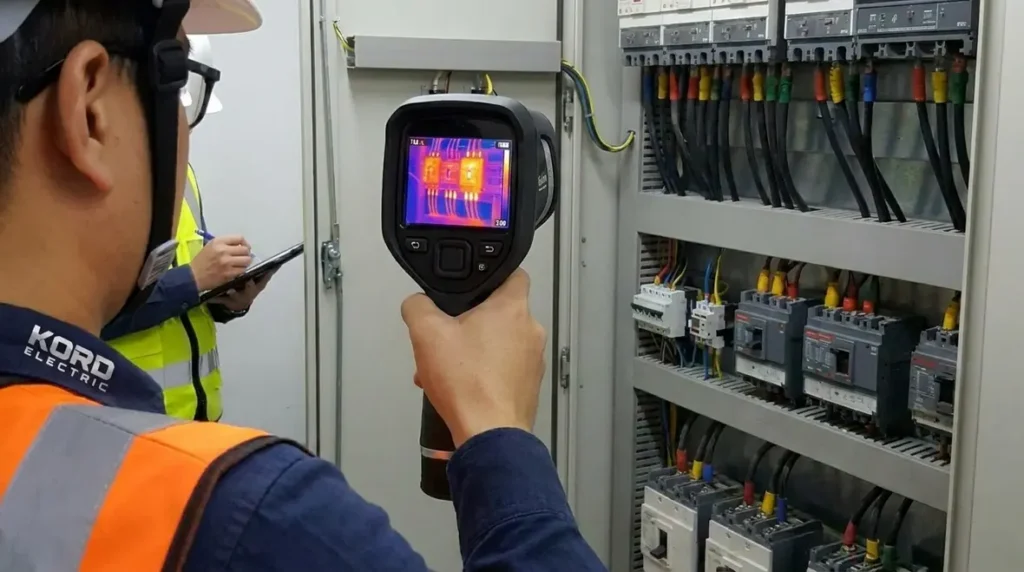
So, when others say “it seems fine,” we ask for the measurements. Our technicians do not guess. They verify. Then they correlate results with device behavior, like UPS logs, PDU readings, and generator test history. This method keeps troubleshooting grounded, and it prevents teams from replacing parts like they are swapping movie extras.
The same pattern appears across many commercial power projects: a vague performance issue turns out to be a voltage or waveform problem that has been hiding in plain sight. That is why facilities that already monitor voltage fluctuations in commercial and industrial buildings often take the next step and build a structured power quality maintenance routine for their data centers and critical process loads.
How Kord Electric keeps voltage stable and clean

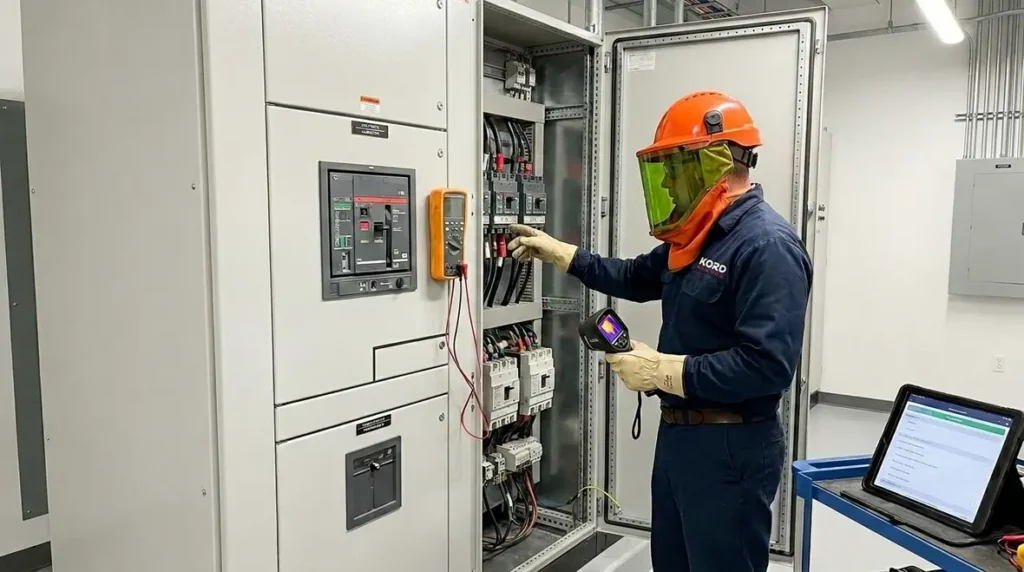
To maintain stability, we work on the chain from utility interface through distribution into the IT load. First, we inspect and tighten the basics: connections, terminations, grounding paths, and busbar condition. Even small resistance increases create heat, and heat is the quiet saboteur.
Next, we evaluate voltage regulation and system topology. If the facility uses transformers, we confirm tap settings, check for unusual load patterns, and look for signs of core stress. If harmonics appear, we identify likely sources such as rectifiers, variable frequency drives, and certain switching power supplies. Then we recommend targeted mitigation instead of blanket solutions that do not match the cause.
Finally, we verify protective coordination. When protective devices do not coordinate, events last longer than they should. Therefore, our service plans include tuning settings where permitted and confirming selectivity. That way, the right device clears the fault quickly, and the rest of the system stays calm.
These voltage and coordination checks also align closely with broader reliability planning. Facilities that are designing or upgrading distribution often reference Kord Electric’s guidance on data center electrical distribution design for reliability to make sure the upstream architecture supports the maintenance program rather than working against it.
Best practices for UPS and generator health checks
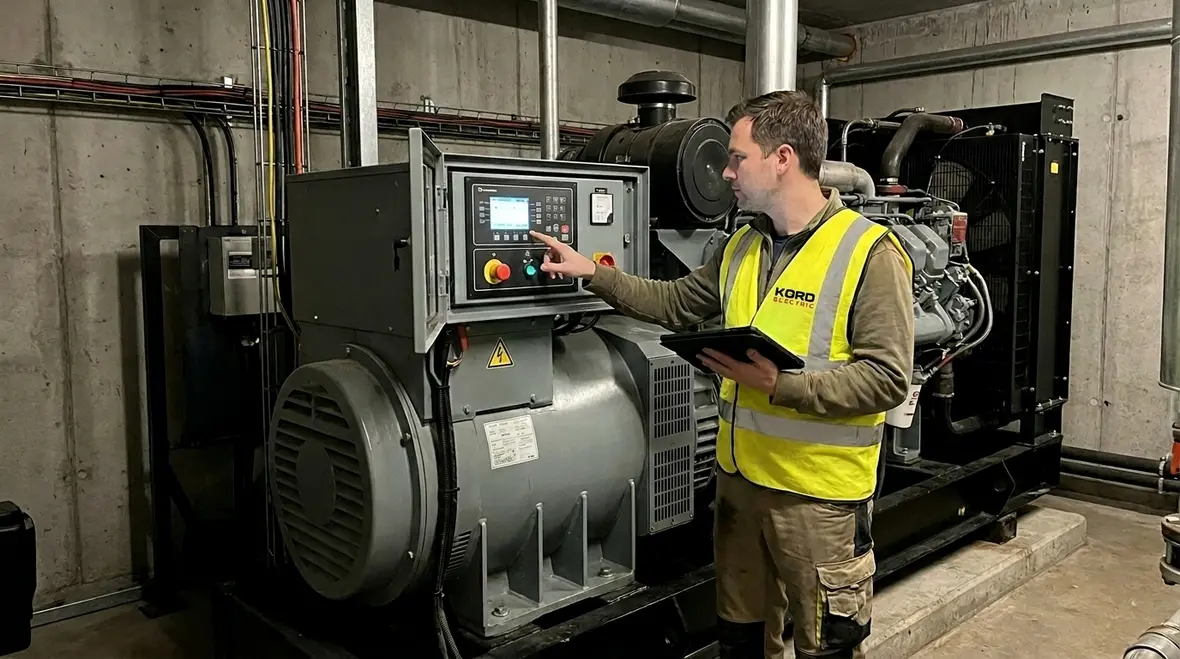
For most major property and data center environments, the UPS and generator define how well the building rides through trouble. We help others avoid “it worked last time” thinking by building repeatable test routines. During inspections, our expert service staff review event history, runtime data, and alarm patterns. Then we validate that the UPS behavior aligns with design intent.
For batteries, we confirm temperature exposure, check impedance trends when available, and verify that maintenance schedules match the battery type. Over time, batteries drift in capacity, and the system may still pass a quick test while hiding reduced reserve. Our approach is to look beyond the pass or fail headline.
For generators, we focus on starting reliability, voltage response, and transfer behavior. We confirm fuel readiness, load bank strategy when used, and the health of controls and governors. Also, we verify that transfer switching avoids unnecessary downtime. Yes, generators can be stubborn like a cat, but controlled testing keeps them predictable.
These UPS and generator checks form part of a bigger picture: building an electrical system that supports real data center electrical requirements for uptime. When facilities want to compare their current practice with a broader standard, they often pair this maintenance guide with Kord Electric’s article on data center electrical requirements for uptime so the test plan matches what the equipment must actually do when the grid misbehaves.
Prevent harmonics and transients with practical monitoring
Data centers face constant switching activity, and switching creates transients. Harmonically rich loads also challenge power distribution components. Therefore, monitoring must go beyond a single snapshot. At Kord Electric, we support ongoing measurements that include THD levels, waveform quality, and event capture. We also trend results so teams can see whether conditions improve after changes or quietly worsen over time.
We also guide others on where to monitor. Placing meters only at one location can hide problems upstream. If the issue comes from a specific rack, PDU group, or area distribution board, the readings need to match the source. Consequently, our technicians work with the facility team to choose measurement points that represent real exposure.
When we find harmonic stress, we recommend mitigation based on the actual profile. Options can include harmonic filtering, load balancing, and revised control strategies for drives. For transients, we focus on surge protection coordination, proper grounding, and cable management practices that reduce noise coupling. And if you have ever watched lightning argue with your electronics, you already understand why coordination matters.
In many large facilities, this harmonic and transient monitoring lives alongside broader electrical maintenance routines. Facility managers who want a more comprehensive walkthrough of recurring checks often study Kord Electric’s data center electrical maintenance checklist and then layer in additional power quality tasks specific to their IT load, cooling requirements, and redundancy strategy.
When to schedule maintenance to reduce risk and downtime
Good maintenance timing is a risk decision. So we build schedules that match the facility’s change calendar and operational requirements. For instance, we recommend power quality checks during planned maintenance windows and coordinate with IT and facilities teams to avoid surprises. Then we document findings so that future work connects to real history.
Our planning also considers seasonality. In many regions, temperature and humidity shifts affect equipment performance, and that can change how voltage regulation behaves. Additionally, construction and tenant upgrades often add nonlinear loads, which can alter harmonics. Therefore, we advise monitoring after major moves, adds, and changes in distribution areas.
We also promote a clear escalation pathway. When readings exceed thresholds or event trends show repeat offenders, we propose a specific response plan. That plan includes inspection steps, measurement confirmation, and a repair path. It keeps the team from chasing ghosts. Because ghosts do not show up in harmonic analysis, no matter how dramatic the building noises sound.
When unexpected behavior does turn into an outage or unsafe condition, that same escalation path should connect directly to qualified support. For many commercial and industrial properties in the region, that includes having a plan in place for rapid response through dedicated emergency electrical services that already understand the facility’s layout, equipment history, and data center priorities.
Build a power quality program your team can run
Maintenance works best when it becomes a program, not a series of one off tasks. Kord Electric helps commercial and industrial clients create a roadmap with roles, measurement cadence, and documentation standards. Our expert service staff explain the “why” behind each step, and they train others to review reports without needing a graduate degree in electrical theory.
In that program, we define what to track, such as voltage deviation, waveform issues, nuisance alarms, UPS logs, and protective device operations. We also define who checks what, and how quickly they escalate when values trend the wrong way. Meanwhile, we keep the language clear and the actions practical.
To make reporting easier, we organize results into a consistent format. This structure helps other teams plan budgeting, justify downtime windows, and manage vendor coordination. And if your stakeholders want a simple story, we give them one. Power quality should not require a TED Talk, even when it sometimes feels like it does.
For facilities that also want to understand how broader electrical upgrades, labeling, and infrastructure changes fit into their reliability roadmap, Kord Electric publishes additional resources on topics such as hidden electrical risks in commercial buildings and electrical panel labeling best practices. Together with disciplined data center power quality maintenance, these practices help keep electrical systems transparent instead of mysterious.
Featured FAQ: data center power stability and maintenance
Conclusion: choose a partner that keeps critical power steady
Power quality issues rarely announce themselves, but they do leave evidence. Kord Electric helps commercial and industrial facilities protect critical loads through disciplined data center power quality maintenance, precise monitoring, and expert service planning. Our technicians explain findings clearly, coordinate with facility teams, and prioritize fixes that reduce risk without unnecessary downtime. If your facility needs a stable plan for voltage quality, harmonics, UPS health, and generator performance, contact Kord Electric today for an assessment and a maintenance roadmap.
For organizations operating in and around Los Angeles, that roadmap often connects directly to broader regional support, including comprehensive Los Angeles County electrical services that understand local code requirements, utility behavior, and the practical realities of keeping data centers and critical facilities online in a busy, high demand region.