
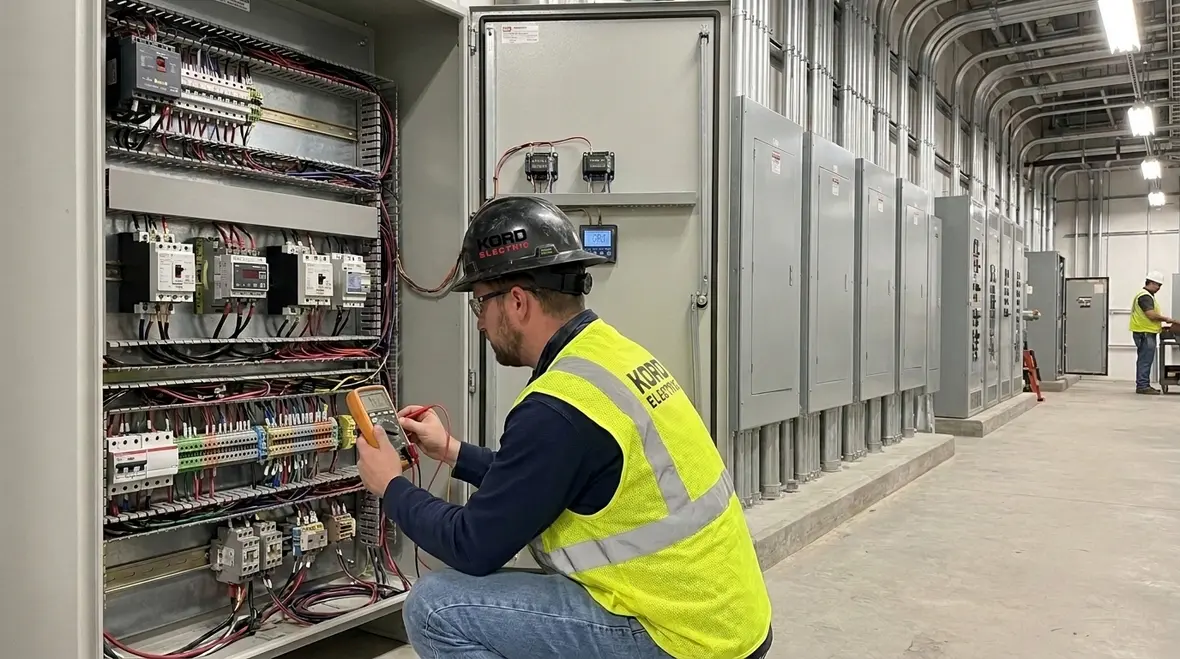
NEC DC Ground Fault Detection Requirements for 250.167
At Kord Electric, we often help facility managers and electrical contractors understand NEC DC ground fault detection long before an inspection ever starts. In the real world, NFPA 70 Section 250.167 sets clear rules for when systems need DC ground fault detection, how they must monitor, and what actions they must trigger. This matters for solar power, energy storage, and DC powered systems that serve commercial and industrial facilities, as well as major property buildings where uptime is not a suggestion. And yes, we have heard “it’s probably fine” more times than we have seen a loose terminal under a properly tightened torque tool. We prefer the other approach: smart design, clear testing, and expert service staff who explain each step in plain language.
Why Section 250.167 matters for commercial and industrial sites
Third person can explain the code, but real life decides whether it works. Section 250.167 supports safety and faster response when a DC system develops a ground fault. For commercial and industrial facilities, and for major property buildings, that means fewer surprises, less downtime, and better control over risk. Ground faults in DC systems can create hazards, including shock and fire concerns, especially where people, equipment, and critical processes share the same space.
In addition, the code does not treat DC like a simple “copy and paste” from AC. DC behaves differently in fault conditions, and that is why the NEC DC ground fault detection requirements focus on detection and response. As a result, a site that installs a DC system without proper ground fault monitoring may pass basic checks yet still fail the real test during a fault scenario. We say it calmly, but the message stays firm: you do not want your first lesson to be during an emergency.
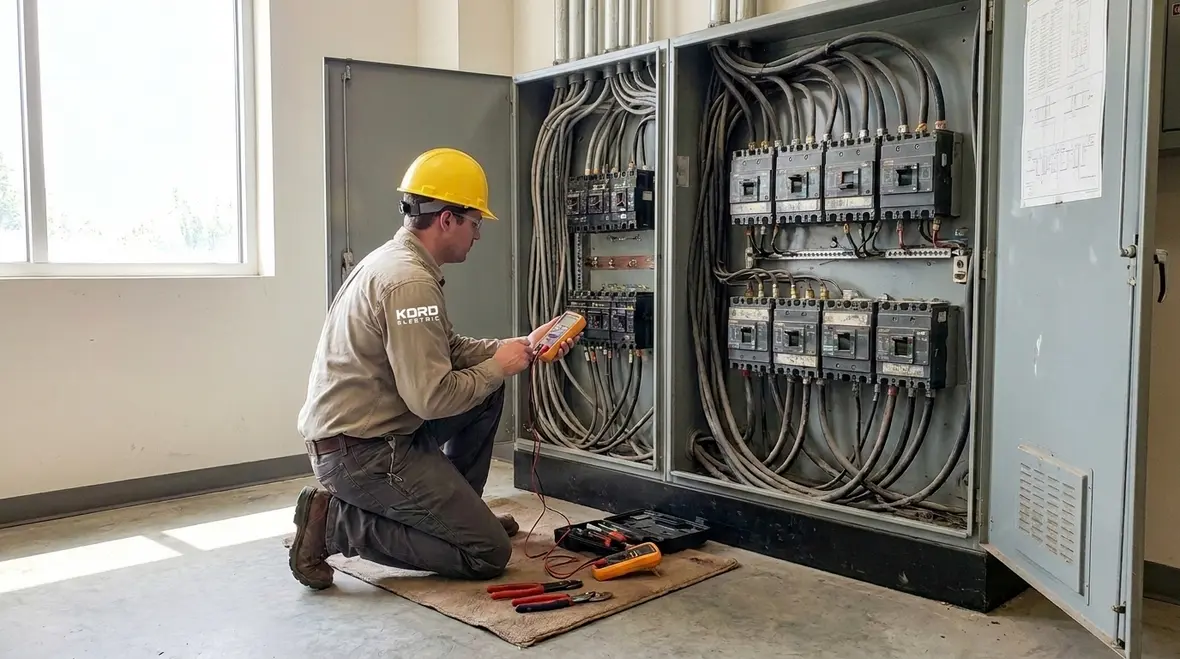
For facility teams that want a broader overview of how NFPA 70 shapes planning before they dive into DC details, Kord Electric also walks through big picture code direction in their companion guide, Understanding NFPA 70: The National Electrical Code Explained for 2026, which many teams keep close by when they review Section 250.167 and related rules.
What counts as a ground fault in DC systems
To meet NFPA 70 expectations, technicians need to know what the system is actually watching for. In a DC circuit, a ground fault typically happens when an energized conductor unintentionally connects to a grounded surface or to earth. Depending on the system design, this could involve wiring insulation breakdown, mechanical damage, moisture intrusion, or improper installation.
Then comes the part that often gets missed. Some faults create an obvious problem right away, while others evolve. Therefore, detection becomes a way to spot early warning signs rather than waiting for a full failure. When Kord Electric technicians review site design, we look at how the DC system is grounded, how return paths behave, and how the monitoring device will interpret leakage or partial faults. Next, we map those signals to what the code expects the system to do when it detects a fault.
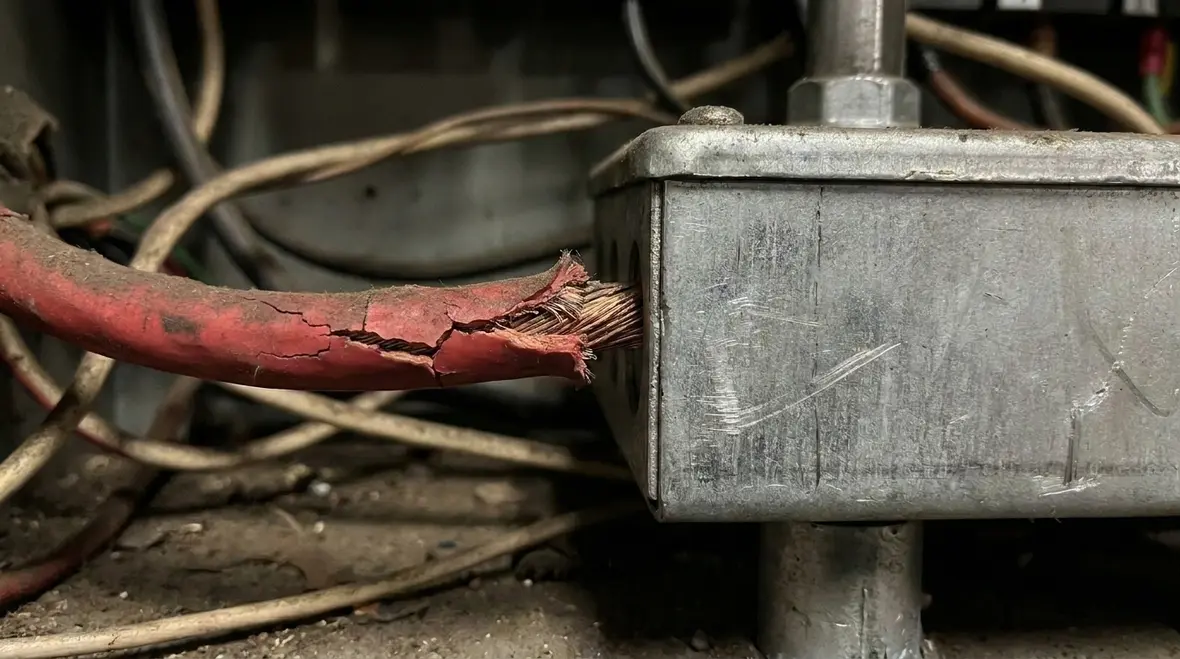
In commercial and industrial facilities, these fault paths do not always follow the neat, predictable lines in a drawing set. Structural steel, cable tray layouts, raceway routing, and even nearby process equipment can influence how a fault behaves. That is why our expert service staff treats “what counts as a ground fault” as a practical question answered by real measurements and design review, not only as a definition pulled from a handbook.
How detection equipment and settings work in practice
NFPA 70 Section 250.167 addresses DC ground fault detection, including monitoring methods and alarm or shutdown needs, depending on the type of system. Yet the code language only goes so far. Operational details decide whether the equipment performs as intended.
First, detection devices must provide the right level of sensitivity for the system voltage and configuration. Then, the installation must support stable readings, meaning wiring routes, bonding, and termination quality matter. Finally, the output must connect to the intended alarm or protective action. If an installer routes signals poorly or grounds equipment inconsistently, the monitoring may show nuisance alarms or, worse, miss real events.
To keep this clear, our expert service staff often explains it like this: the monitoring system needs a clean “signal path” from the DC conductors to the sensing device, and it needs a clear decision path from the sensing device to the site response. In other words, detection is not just a box on a rack, it is a working conversation between hardware and safety controls.
We also look at where DC ground fault detection fits alongside other NEC driven systems. For example, data center and critical IT environments that already follow dedicated NEC electrical code practices for data centers often benefit from tuning DC monitoring so it plays well with redundancy schemes, transfer equipment, and coordinated protection.
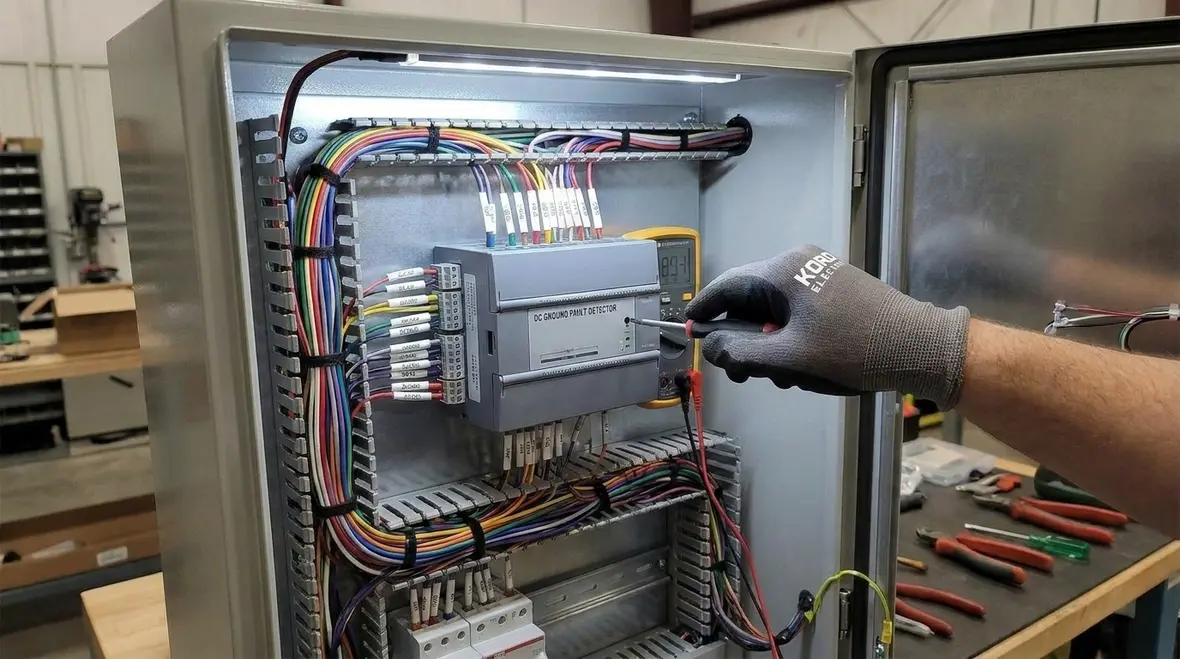
In more complex DC arrays, such as energy storage and large solar or hybrid systems, NEC DC ground fault detection design may involve multiple sensing zones, insulation monitoring devices, or integrated controllers. When we configure these systems, we focus not just on what the device can technically do, but on what facility teams can actually operate, test, and maintain without guesswork.
Alarm, reporting, and response: what the system must do next
Once the DC ground fault detection system senses a fault, NFPA 70 drives what happens next. In many commercial installations, the most important feature is not only that an alarm happens, but that facility teams can trust it. Therefore, we support clear annunciation and actionable indications so that the right people respond quickly.
For major property buildings, that usually means integration with the control room, building management, or the facility’s safety workflow. Our technicians help teams plan how alarm text will appear, who gets notified, and what response steps staff will follow. This reduces the “panic and guess” phase that tends to happen when nobody has practiced the plan. And if you think drills are only for fire drills, well, so does the safety officer at your site, yet they still schedule them.
At the same time, Kord Electric keeps an eye on operational continuity. Certain systems may need continued power for a limited time, while others may require shutdown. Section 250.167 connects detection to the required response so that a site does not keep running while a fault grows more dangerous. As a result, response planning becomes a mix of code compliance and sound operations.
In our broader code work, we frequently connect DC alarm and response planning with other NEC focused reviews, such as evaluating branch circuit scope under NFPA 70 Section 210.1 or assessing lockable disconnect practices. This lets facility teams see ground fault response as part of a unified electrical safety picture instead of a one off project note.
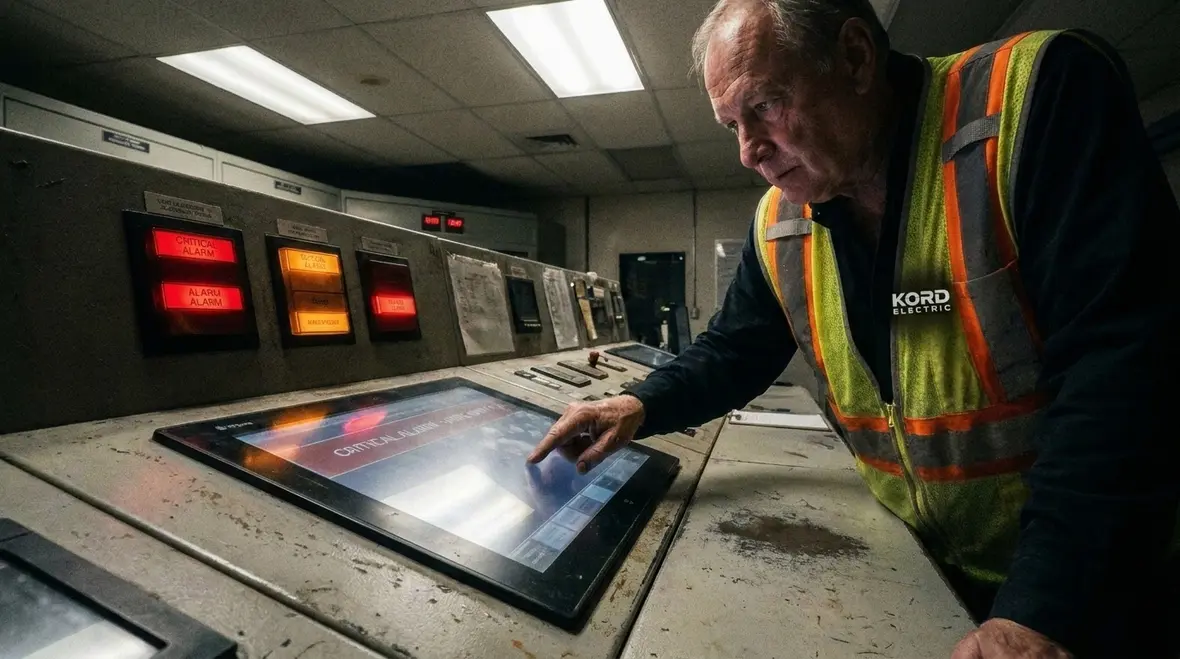
For some facilities, particularly where energy storage or DC distribution supports life safety or mission critical operations, we also design playbook style response sequences: who acknowledges the alarm, who evaluates system status, what steps they take in what order, and when they escalate. This keeps the “what the system must do next” language from staying theoretical and turns it into a lived routine.
Common installation mistakes we see during commercial walkthroughs
We do not show up to every site expecting problems, but we do show up expecting reality. During commercial and industrial facility walkthroughs, our expert service staff often notices patterns that increase risk or weaken compliance. These issues can range from minor workmanship details to deeper design gaps.
Some common problem areas include poor bonding and grounding practices, overlooked conductor terminations, wiring that runs near noise sources, and system labeling that does not match the actual configuration. Also, some teams replace components later without confirming how the DC ground fault detection system will interpret the new hardware.
Furthermore, facilities sometimes assume that testing is a one time activity. Yet detection performance can drift if components age, moisture builds, or connections loosen. Therefore, Kord Electric supports ongoing verification, because a monitoring system must remain reliable after the initial commissioning phase.
When we pair these findings with wiring workmanship expectations like those in our discussion of NEC wiring integrity and workmanship, the patterns become clear: where crews rush or treat DC as an afterthought, NEC DC ground fault detection systems struggle. Where crews follow consistent standards, alarms tend to mean what they say.
Testing, maintenance, and documentation that withstand inspection
Strong documentation makes inspections smoother, and it makes internal audits less painful. Our approach is to help facilities build a record that shows how the DC system was designed, how the NEC DC ground fault detection components were installed, and how they were verified.
Testing often includes verifying that the detection device can detect faults within the expected thresholds and that alarm or shutdown outputs work as required. Maintenance includes checking connections, confirming that the sensing circuit remains stable, and reviewing alarms to ensure they match real conditions. In addition, we help teams keep service logs that show dates, findings, corrective actions, and any follow up measurements.
When other contractors come in later, this documentation prevents confusion. It also helps new staff understand what the site expects from the monitoring system. And yes, when people argue about “what the code meant,” we prefer a different conversation. We bring the paperwork, the test results, and the engineering logic.
On many projects, we also tie DC monitoring records into broader NEC planning efforts, such as electrical code upgrade consulting for renovations, so that when a building changes, the ground fault detection story moves forward with it instead of being left behind in an older revision set.
Integrating ground fault detection with other life safety and electrical systems
Commercial buildings do not live in isolation. A DC power system connects to controls, monitoring, and sometimes fire alarm or emergency power arrangements. Therefore, a facility must coordinate how ground fault detection interacts with the rest of the safety stack.
Kord Electric works with teams that manage multiple systems, including power distribution, controls, and emergency operations. We help ensure that detection signals do not conflict with other alarms and that the site response aligns with overall safety procedures. This coordination also supports better fault isolation during troubleshooting. Instead of chasing every possibility, teams can act on a clear indication and narrow down the source.
Additionally, we emphasize planning for future changes. Many major property buildings expand, upgrade, or reconfigure systems over time. When a site adds new DC loads or modifies wiring routes, the detection system may need review to confirm continued performance. That is where our technicians add value: they help protect the design intent as the building evolves.
We often encourage facility leaders who want context on how DC monitoring fits into the larger NEC picture to review related code education resources at Kord Electric and Kord Fire, including articles like NFPA 70: All About the National Electrical Code, so their teams see ground fault detection as one piece in a coordinated life safety strategy.
FAQ
Call Kord Electric for a compliant DC monitoring plan
When a facility team wants DC ground fault detection that stands up to code, inspections, and real operations, we help. Kord Electric brings experienced technicians and expert service staff who explain the requirements clearly, design the right monitoring approach, and verify performance with documentation you can trust. If a project is new or already in the field and needs review, we can assess the system, highlight risks, and set a practical maintenance and testing plan. Contact Kord Electric to get started and protect your operation with confidence.
For organizations in Southern California that need hands on support implementing NEC DC ground fault detection and other code driven upgrades, our dedicated Los Angeles County electrical services team helps coordinate inspections, DC monitoring design, and long term maintenance so commercial and industrial sites stay safe, reliable, and ready for the next round of NFPA 70 changes.
If your team wants to connect DC fault detection planning with a wider NEC roadmap, you can also explore Kord Electric’s broader code focused resources, including guides on branch circuits, wiring integrity, data center electrical planning, and national electrical code strategy for 2026. The more these pieces work together, the easier it becomes to keep your facility calm, compliant, and prepared when inspectors, stakeholders, and real world conditions all show up at the same time.


