Data Centre Electrical Design: Power Distribution & Reliability
In the world of commercial and industrial buildings, Data Centre Electrical Design: Power Distribution & Reliability decides whether your systems run smoothly or stumble through outages like a bad script read. At Kord Electric, we plan and deliver power distribution that supports critical loads, reduces risk, and keeps uptime targets within reach. We also explain decisions clearly, because our technicians and expert service staff do not hide behind jargon. Instead, they walk others through the “why” behind each design choice, from routing and protection to redundancy philosophy. And yes, we keep it professional, even when the topic tries to feel like a spreadsheet with feelings.
What does data centre electrical design actually cover?
In practice, our approach spans the full electrical path from utility supply to the final distribution that serves racks, cooling support, and control systems. First, we map the load types and their priorities, because not every watt has the same job. Next, we build a distribution concept that supports fault tolerance, while also meeting safety and code requirements for commercial and industrial facilities.
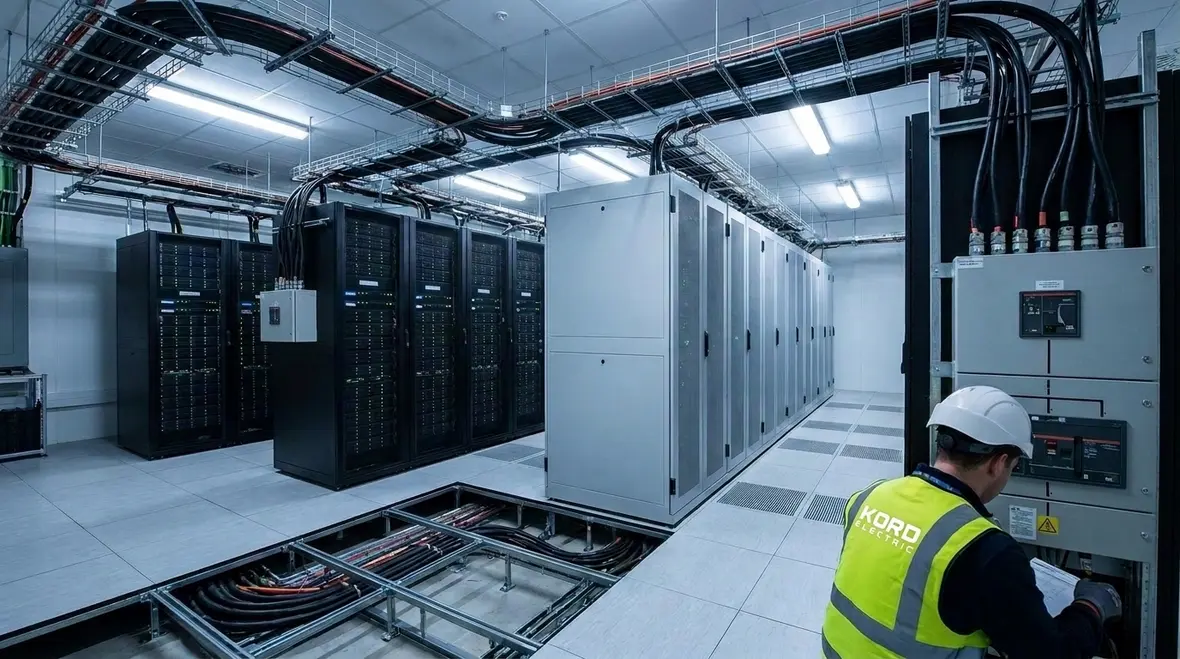
Then we move to system design details that protect uptime. That includes protection coordination, selectivity, earthing and bonding, and the layout of panels and feeders. After that, we consider how the data hall environment affects equipment performance, since heat and contamination can turn “fine on paper” into “why is this tripping again.” Finally, we document the design so the site team can operate and maintain it without guesswork.
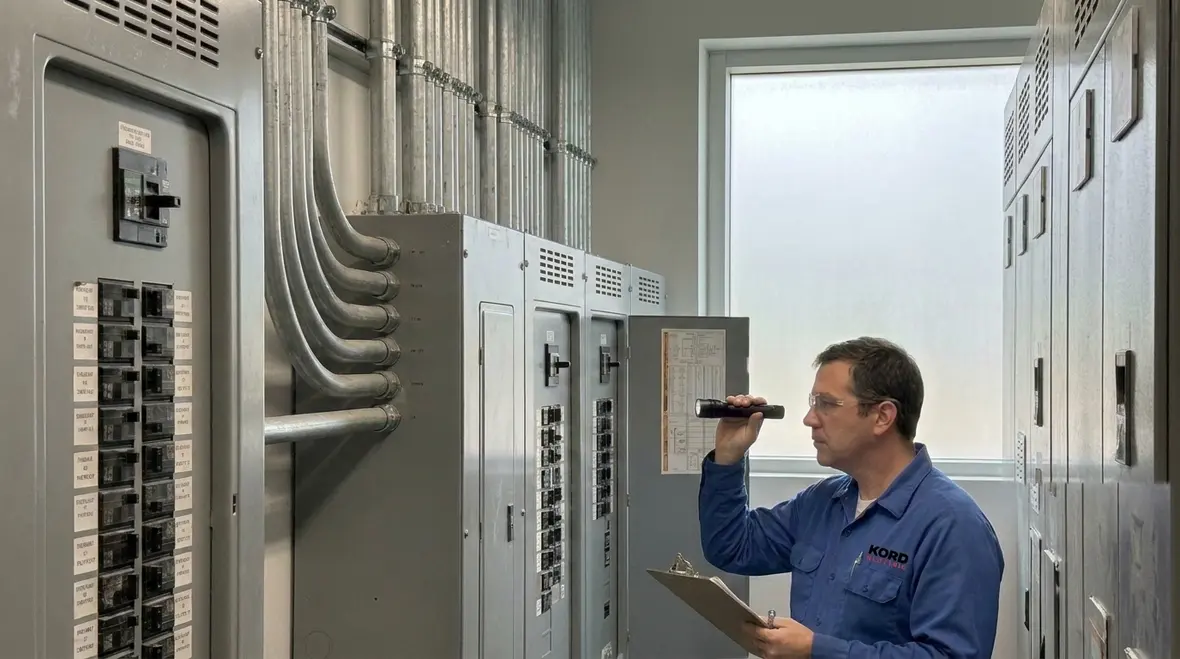
Our technicians, along with our expert service staff, then help others understand how the design responds during abnormal conditions. They explain what happens when a breaker opens, how upstream protection behaves, and why certain buses or switching sections matter. In other words, we plan for the real world, not the fantasy world where nothing ever fails.
For a broader design foundation, you can also explore Kord Electric’s companion guide Electrical Design Data Center Efficiency Guide, which pairs efficiency strategy with day-to-day reliability decisions.
Power distribution that stays dependable under stress
Many people think reliability is only about having backup power. While backup matters, reliability also depends on how power moves through your system during normal and abnormal states. Therefore, in our Data Centre Electrical Design: Power Distribution & Reliability work, we treat distribution like a chain of responsibilities. If one link behaves unpredictably, the whole chain suffers.
We commonly structure distribution so that critical loads receive power through planned paths that keep working even when part of the system experiences a fault. This can include redundant feeder routes, segmented bus arrangements, and disciplined switching strategies that avoid unnecessary downtime. Additionally, we coordinate protection so that only the affected section trips, rather than the entire facility throwing the lights out like a dramatic finale.
Our team also pays attention to load diversity and growth. Data centres rarely stop expanding, and neither should your electrical plan. So we design for future capacity with realistic headroom and clear pathways for additional distribution without massive rewiring. As a result, the next expansion does not become a “surprise project” that steals weeks from commissioning.
If you are comparing options for long-term uptime, Kord Electric’s articles on data center power reliability and uptime design and zero downtime data center power strategies show how distribution, redundancy, and testing work together.
How we handle redundancy without making maintenance impossible
Redundancy should reduce risk, not create a puzzle box for operations staff. So we balance redundancy with practical maintenance access, clear labeling, and stable operating modes. We also consider how people will work around the system during planned outages, because commercial and industrial sites need scheduled service, not chaos.
In our design process, we define what level of redundancy the facility needs based on business requirements, risk tolerance, and criticality. Then we translate that into electrical architecture that supports controlled transitions between sources. Furthermore, we avoid fragile designs that rely on “perfect conditions,” since real sites experience minor disturbances all the time.
To make the system easier to manage, we structure controls and interlocks so operators can understand what is happening and why. Our expert service staff explains these operating behaviors during handover. They also outline what maintenance steps matter most, what checks prevent nuisance trips, and what tests confirm system health. That way, others do not have to learn through trial and error, which is a hobby we do not recommend for high value equipment.
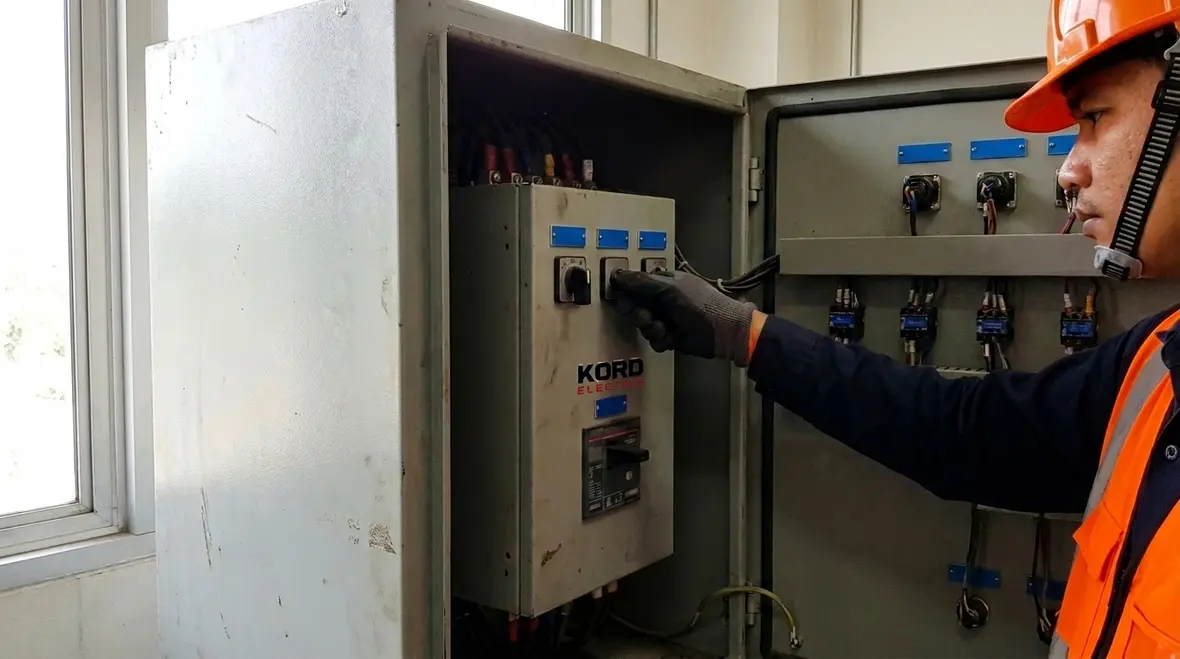
To see how redundancy planning ties into bigger infrastructure choices, Kord Electric’s guide on data center power redundancy for maximum uptime offers additional operating examples.
Efficiency planning: reduce losses and keep power quality steady
Efficiency in a data hall is not just a buzzword. It affects operating cost, equipment aging, and overall performance. Therefore, our teams address efficiency through thoughtful conductor sizing, bus design, transformer selection, and load distribution planning. We aim to reduce losses while still protecting voltage regulation and thermal performance.
At the same time, we protect power quality. Switch mode power supplies, variable loads, and large motor driven auxiliaries can create harmonics and voltage fluctuations. So we plan for appropriate harmonic considerations, grounding strategy, and equipment ratings that fit the site reality. If we ignore power quality, you may end up with heating, nuisance alarms, or degraded equipment performance. And once again, the spreadsheet feels vindicated.
We also follow a practical logic: efficiency must serve reliability, not undermine it. So when we make a design choice, we check the impact on protection behavior, thermal margins, and maintainability. From there, we support commissioning with documentation that makes operational tuning straightforward. Our technicians and service staff then explain the main efficiency and power quality checkpoints so the site team can monitor the right things, not just the easy ones.
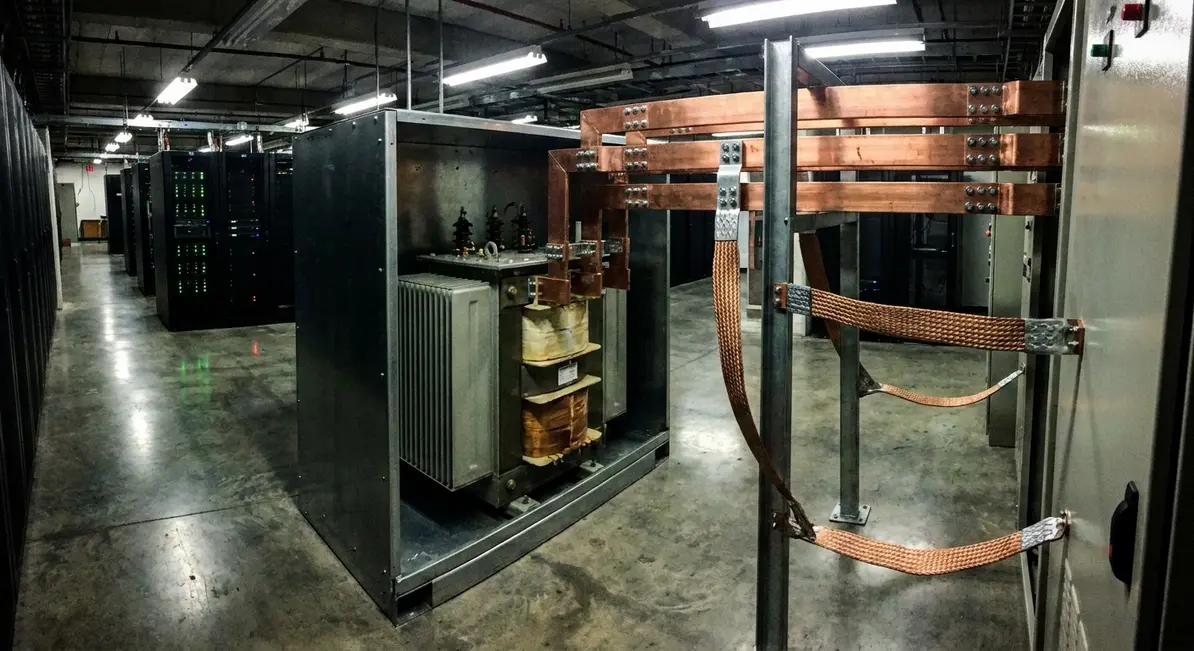
For facility teams interested in how design choices influence safety and day-to-day operations, Kord Electric’s overview of how electrical design impacts data center efficiency, safety & reliability connects efficiency planning with real-world outcomes.
Protection coordination and fault tolerance you can explain to others
When faults happen, the goal is simple: keep critical power available and isolate the problem quickly. Yet achieving that outcome takes careful coordination across breakers, fuses, bus protection, and control settings. In our Data Centre Electrical Design: Power Distribution & Reliability approach, we work to ensure the system behaves predictably under fault conditions.
We select protective devices based on the energy levels and fault currents expected in each segment. Then we coordinate upstream and downstream protection so that selective tripping clears faults locally. That reduces downtime and limits collateral impact. We also confirm the system meets safety requirements and provides the necessary fault clearing time for equipment survival.
Because design intent matters, we explain the coordination story in plain terms. Our technicians often sit with client teams and describe how a fault should isolate, what indicators will change, and which operator actions matter. That calm walkthrough helps others feel confident during commissioning and during the first real alarm event, which always arrives right after everyone goes for lunch. We plan for that too.
For more on how protection, redundancy, and architecture come together, see Kord Electric’s work on data center electrical requirements for uptime, which expands on testing and operating expectations for mission critical sites.
Layout, earthing, and cable routing that reduce risk
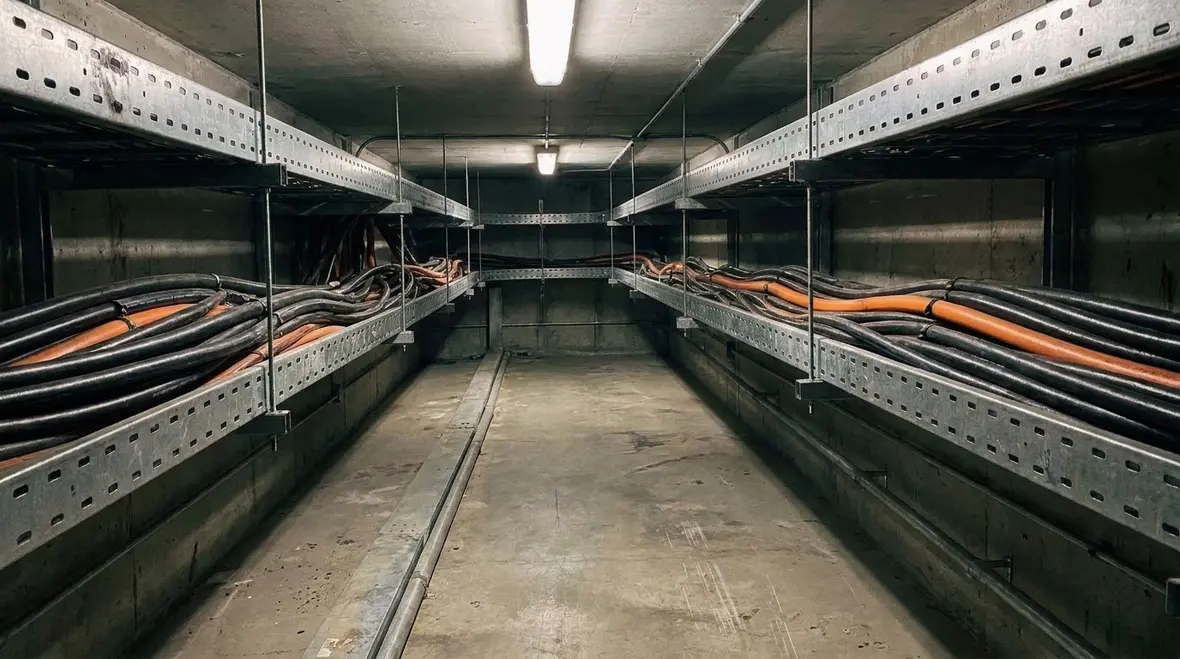
Physical design affects electrical performance. Cable routing influences heat, electromagnetic effects, voltage drop, and maintainability. So we plan cable routes with segregation where needed, clear pathways for future additions, and practical access for inspection and termination.
We also handle earthing and bonding with care, because stable reference points reduce shock risk and help protect sensitive equipment. Our design choices consider equipment grounding conductors, bonding of metallic parts, and consistent connection practices across the site.
Then we think about how the electrical room fits into the broader site operation. For commercial and industrial facilities, it is not only about the data halls. Support spaces, mechanical interfaces, and control systems also affect performance. We coordinate these interfaces so the power system does not create bottlenecks for commissioning or maintenance.
Once the plan is approved, we keep documentation readable. Our service staff explains critical routing and grounding points so future work stays consistent. That approach prevents “mystery modifications” that appear later and turn into long troubleshooting sessions.
Commissioning, testing, and ongoing service for major property buildings
Good design does not end at drawing approval. Commissioning, testing, and ongoing support decide whether the facility performs like the design model. Therefore, we build commissioning readiness into our workflow. We verify settings, test protection operation, confirm insulation and continuity results, and validate key interlocks and switching sequences.
During commissioning, our team focuses on repeatable outcomes and clear evidence. Instead of vague statements, we support testing with checks that match the design intent. We also coordinate with facility stakeholders, because major property buildings operate under tight timelines and safety procedures.
After handover, we help others keep the system healthy through planned maintenance and expert service visits. Our technicians monitor what matters and address issues early, before they become emergencies. Meanwhile, our service staff explains findings and recommends actions in a way that respects operational schedules. In other words, we aim to reduce downtime while keeping everyone confident about what the electrical system will do next.
If your portfolio spans Los Angeles and surrounding areas, Kord Electric’s dedicated Los Angeles County commercial and industrial electrical services team can align commissioning and service plans with your regional operating requirements.
Key checkpoints we follow across a full electrical design
We track a consistent set of design and delivery checkpoints to keep the project controlled and transparent. This is the part of the job where we earn trust the boring way, with discipline.
| Area | What we verify |
Load mapping |
Critical loads, growth plan, and distribution strategy that matches priority |
Protection |
Selectivity, fault clearing behavior, and coordination between devices |
Power quality |
Harmonic and voltage stability considerations for sensitive equipment |
Efficiency |
Loss reduction through sound conductor and equipment selection |
Installation readiness |
Routing, earthing, labeling, and documentation for clean operations |
FAQ: Data centre electrical design for reliable power
Next steps with Kord Electric
If you are planning a new commercial or industrial data centre, or upgrading power for a major property building, we can help you design electrical systems that deliver dependable uptime. Our technicians and expert service staff will explain each decision in clear language, then support commissioning and maintenance with a steady hand. Reach out to Kord Electric to review your load plan, distribution goals, and reliability targets. Let us turn your electrical design from “good on paper” into “working in real life.”
When you are ready to connect your Data Centre Electrical Design: Power Distribution & Reliability with long-term efficiency and growth, pairing this article with guides like Kord Electric’s data center power scalability and growth planning will help you map a practical roadmap from initial design to future upgrades.
For full-building strategies that keep your systems dependable and code-compliant across Los Angeles County and Southern California, explore our regional Los Angeles County electrical services, then connect with our team to align your next project with clear reliability and uptime goals.