
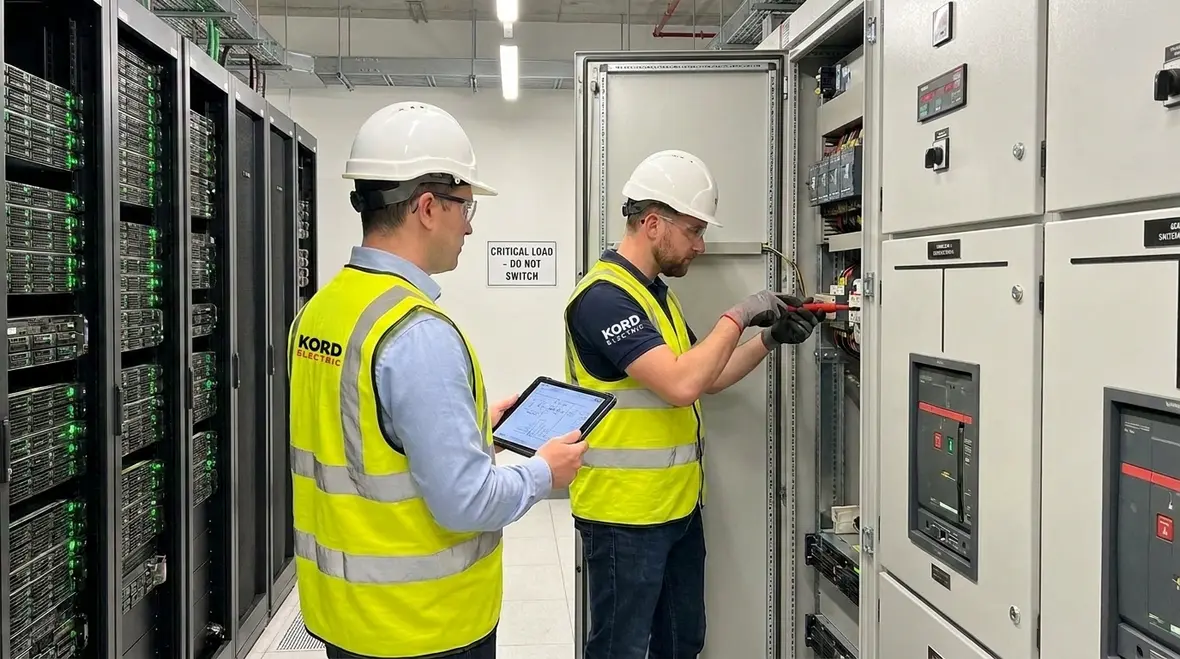
Zero-Downtime Electrical Solutions for Critical Commercial Facilities
At Kord Electric, we focus on Zero-Downtime Electrical Solutions for Critical Commercial Facilities, because when your power slips, your business does not get to “pause and try again.” We design and support electrical upgrades, maintenance, and emergency readiness in a way that helps keep lights on, processes running, and systems stable. Meanwhile, our expert service staff walks your team through what we do, why we do it, and what you can expect during every step. If you have ever watched a movie where the hero fixes the problem in five seconds, you already know the truth. Real electrical work takes careful planning, and we bring that calm, deliberate process. So instead of gambling with uptime, we help protect it.
Why uptime matters more than people admit
In commercial and industrial facilities, electrical problems rarely stay small. First, a minor fault can grow into a switchgear event. Then, a short outage can trigger downtime across production lines, IT rooms, refrigeration systems, medical equipment, building automation, or security access. As a result, what starts as a “brief” issue can become a costly chain reaction, especially in major property buildings where multiple tenants depend on shared electrical infrastructure.
Moreover, downtime can create hidden damage. Data systems do not just reboot, they reorganize. Temperature-sensitive processes do not just “wait,” they drift. And even if your team recovers quickly, you still pay in labor hours, recovery costs, and reputation. That is why our approach at Kord Electric starts with prevention, not repairs after the fact. We treat electrical uptime like a safety system, because it is.
How we reduce downtime during electrical upgrades
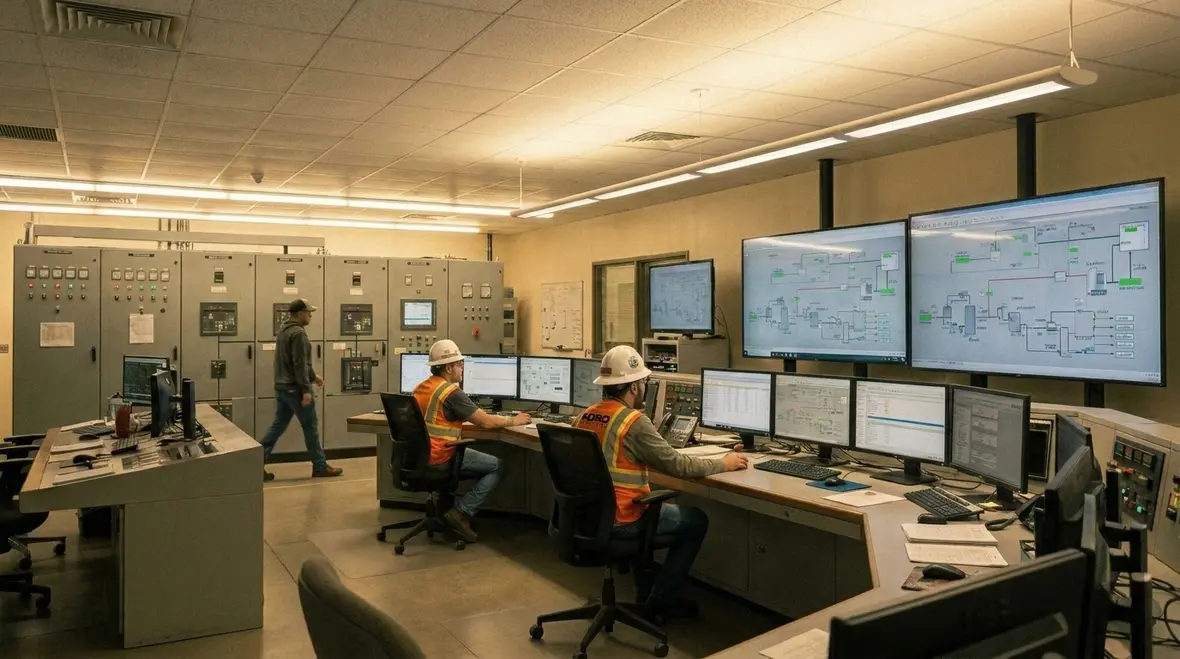
When we plan work, we do it with a clear goal: keep your critical loads powered while we make the improvements. That means we look at your facility like a network, not a single panel. Next, we map where power must stay continuous and where it can tolerate brief transitions. Then we select methods that support safe changeover and careful load management.
Our technicians and expert service staff work in sequence, so you do not have to wonder what happens next. For example, we coordinate sequence timing, verify breaker operations, and confirm system states before we touch anything that affects critical circuits. We also align with your operational needs, so our schedule fits your production clock and your property calendar.
To make the process easier, we explain the plan in plain language. You do not need an electrical degree to understand risk. You just need the facts. And we give them.
If your facility is already mapping out long-term reliability work, pairing these upgrade strategies with a structured maintenance approach like the ones we outline in our commercial and industrial electrical maintenance plans helps keep upgrades, inspections, and downtime prevention aligned instead of scattered across separate projects.
Designing upgrades around your real operating schedule
Every facility has a different definition of “off hours.” A multi-tenant office may have narrow windows during nights and weekends. A production facility might run 24/7 with only brief maintenance breaks. That is why Zero-Downtime Electrical Solutions for Critical Commercial Facilities start with a schedule conversation. We listen to your actual operating constraints and match work windows to your lowest-risk times.
We also coordinate with your internal teams and any other vendors who might be affected. If IT needs time to reroute traffic, or property management has tenant notifications to send, we factor that in. The result is a plan that feels calm instead of chaotic, even when we are adjusting core electrical distribution.
Zero downtime electrical planning for commercial power systems
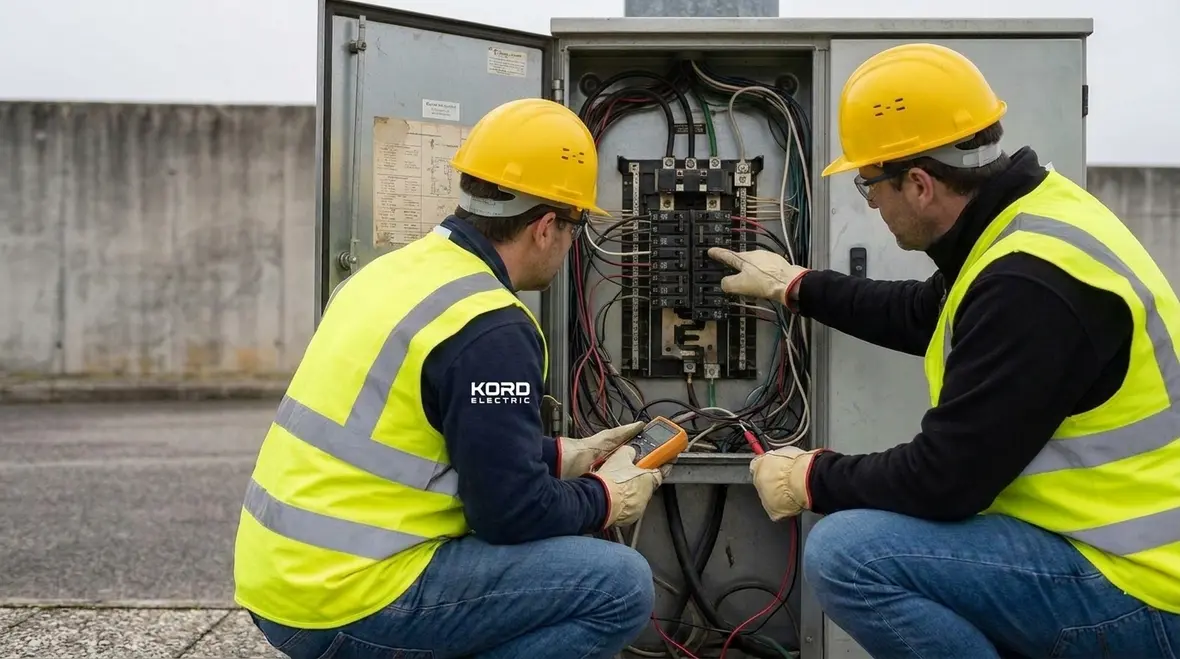
Zero-Downtime Electrical Solutions for Critical Commercial Facilities do not come from luck. They come from planning that respects how your gear behaves under stress. Therefore, our planning starts by studying your existing one line diagrams, protective device settings, and normal operating modes. From there, we assess the safest way to isolate parts of the system without forcing a full shutdown.
We also consider how loads behave during switching. Some loads need a clean ride, others can tolerate minor disturbances, and some should never see a gap. Additionally, we review your redundancy strategy. Many facilities have parallel paths, but the paths may not be configured for the exact work you want to perform. So we confirm what your system can do and what it cannot.
At this stage, our expert service staff walks your team through the plan, step by step. In other words, we do not hide behind jargon and hope you do not ask questions. If something needs more clarity, we give it.
And yes, we know scheduling is like herding cats, except the cats have breakers. That is why we document every step and coordinate with your stakeholders early, so surprises stay off the menu.
Aligning redundancy, protection, and maintenance windows
Redundancy that only looks good on paper is not much help during a real outage or during maintenance. We verify that alternate power paths, transfer schemes, and critical loads can actually support the temporary operating modes you need. That means checking breaker settings, evaluating short-circuit and coordination behavior, and confirming that temporary configurations will not create new risks.
For facilities with data centers or high-sensitivity equipment, we apply the same principles we use in our data center power reliability and uptime design work: keep critical loads stable, protect equipment from nuisance trips, and maintain clear, tested paths for both normal and emergency conditions.
Switchgear, transfer, and isolation methods that keep loads live
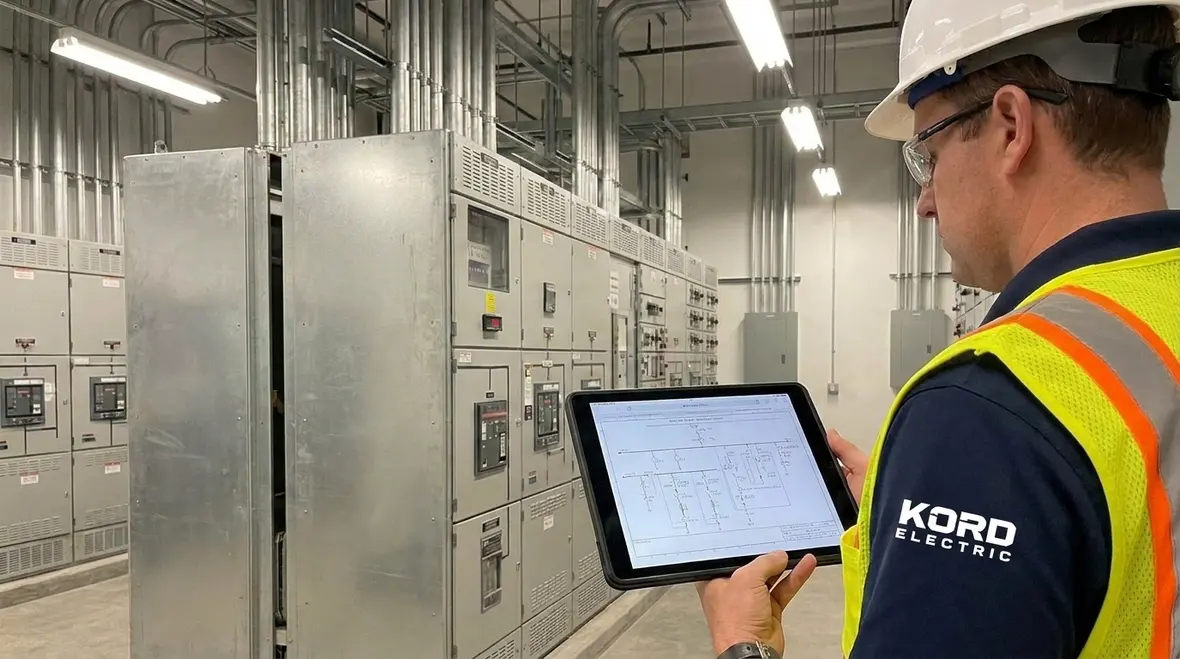
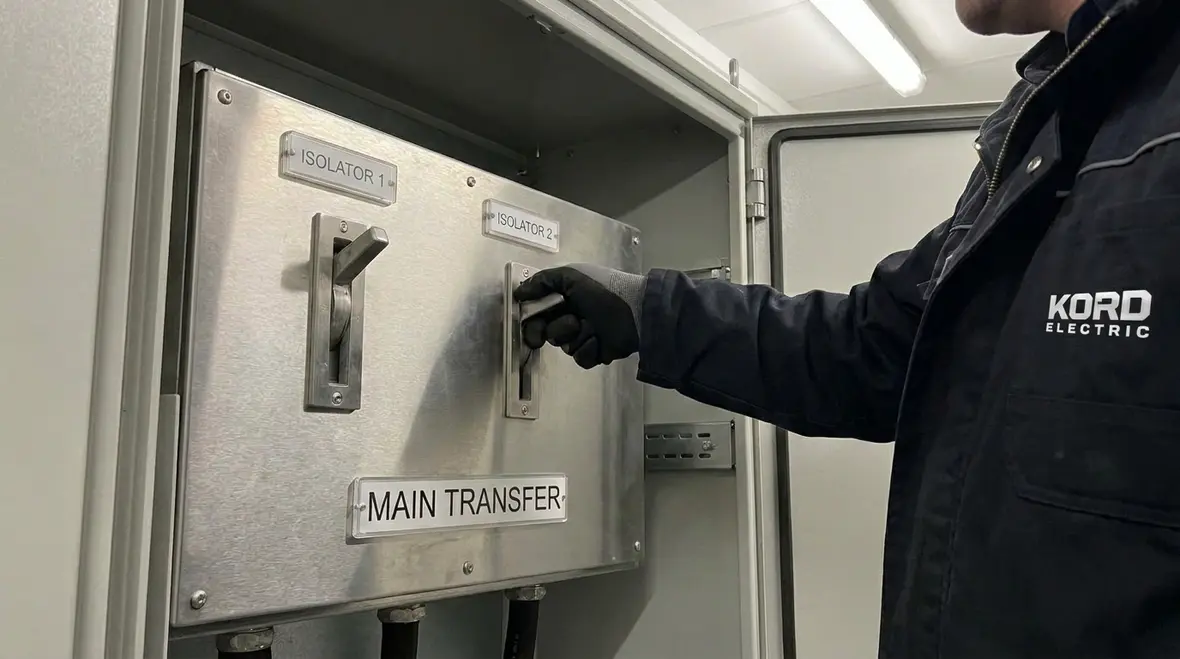
Large commercial and industrial buildings often rely on switchgear, transfer equipment, and well defined isolation points. We build our approach around that reality. First, we identify the best isolation boundaries so we can work on one segment while maintaining power on critical loads. Then we confirm that transfer paths support the load and that protective coordination prevents nuisance trips during the changeover.
Depending on the system design, this can include staged switching, controlled bypass strategies, and temporary configurations that keep operations steady. We also verify that measurement devices and controls behave correctly so the system stays stable during transitions.
Just as important, we manage safety. Our technicians follow strict procedures for lockout practices where required, arc flash awareness, and controlled access to energized parts. Even if a method supports continued power delivery, safety still comes first. We do not “wing it.” This is not a kitchen show where the host shouts, “We’ll be fine.”
Coordinating emergency power and business continuity
Zero-downtime work and emergency power design are closely related. The same transfer switches, distribution paths, and protective devices that keep your facility alive during an outage also shape what we can do during planned work. We apply many of the same principles described in our emergency power for business continuity design so your facility can handle both surprise interruptions and carefully scheduled maintenance without losing critical operations.
When we review your emergency systems, we confirm load priorities, run times, and transfer behavior under different failure scenarios. That way, when we isolate a section for upgrades, you already know how the rest of the system will behave—because it has been planned, documented, and tested with real operating needs in mind.
Prevent downtime before it becomes an emergency
Even with smart changeover planning, the best strategy is to prevent failure modes from reaching the point where you need a risky intervention. That is where our downtime prevention approach becomes a routine, not a reaction. We help facilities reduce unexpected events by improving reliability and tightening the maintenance rhythm around key electrical components.
In practical terms, we support assessments that uncover weak links such as aging components, loose connections, degraded insulation, or protective devices that no longer match the system as it operates today. Then we schedule targeted work so it happens when your facility can support it, not when the calendar says “good luck.”
We also support readiness. Our team can help you prepare for abnormal situations by defining response steps, confirming spare parts strategy, and validating that your emergency procedures match the real equipment on site. When a problem happens, you do not want to improvise. You want a plan that works.
Transition matters too. Therefore, we train your internal team on what to expect, how to recognize early signs, and how to communicate effectively when conditions change. This keeps your operation aligned and reduces confusion during stressful moments.
Turning “quiet days” into proof your system is healthy
In a well-planned facility, most days are boring in the best way. Systems hum, lights stay steady, and nobody has to sprint across the building looking for a tripped breaker. That calm is not an accident; it is the outcome of structured maintenance and clear procedures. Articles like our commercial electrical preventative maintenance checklist and data center electrical maintenance checklist outline how inspections, testing, and documentation work together to keep those quiet days common.
We build your downtime prevention program around that same idea. Each inspection, torque check, thermal scan, or protective device test becomes one more reason your system behaves when it is supposed to—and one less reason for late-night phone calls about “mystery power issues.”
How our expert service team keeps the process calm and clear
People think downtime prevention is only about gear and wiring. It is not. It is also about coordination, communication, and clarity. That is why Kord Electric keeps our technicians close to the planning and close to the work. We explain the scope, outline the schedule, and confirm responsibilities so your team knows what we handle and what you own.
During the job, we provide updates that make sense to operations leaders, property managers, and facility engineers alike. We use practical language, we confirm milestones, and we track progress against your uptime goals. In addition, we document what we changed, why we changed it, and how the facility should operate afterward.
If you have ever tried to read a technical report written like a legal document, you know that clarity can be rare. Our service staff aims to be the opposite. We help you understand the “what” and the “why,” not just the “because the manual says so.”
And if your team wants a walkthrough, we schedule one. We do not treat training like an optional extra. It is part of the job.
Keeping troubleshooting and upgrades on the same page
Real facilities rarely experience just one type of electrical challenge. Some days you need help troubleshooting a stubborn fault; other days you need a plan for a major upgrade. We make sure those worlds stay connected. The same clear communication we use in our electrical troubleshooting for facilities guide also applies when we design zero-downtime upgrades, so lessons from past incidents feed directly into better planning, safer work, and stronger uptime.
By treating troubleshooting, preventive maintenance, and capital projects as parts of the same reliability story, we help your team move away from “whack-a-mole” responses and toward a calm, predictable playbook for protecting critical power.
FAQ
Ready to protect your electrical uptime?
When downtime threatens your production, your tenants, or your critical systems, you need more than a quick fix. Kord Electric brings planned, reliable electrical work for commercial and industrial facilities, with expert technicians and service staff who keep your team informed at every step. If you want to upgrade, maintain, or improve power reliability without gambling on uptime, contact us today. We will review your system, discuss your critical loads, and build a plan that keeps operations steady. Reach out now and let’s protect your power like it matters, because it does.
For facilities across Southern California, our dedicated Los Angeles County electrical services team supports everything from routine maintenance and upgrades to complex, zero-downtime projects in critical environments, so your electrical strategy stays aligned with your growth, safety, and uptime goals.
If you are also refining your broader prevention strategy, our article on downtime prevention for commercial electrical systems connects these zero-downtime planning concepts with everyday maintenance decisions, so your facility can move from “hoping nothing fails” to a clear, proactive plan.


