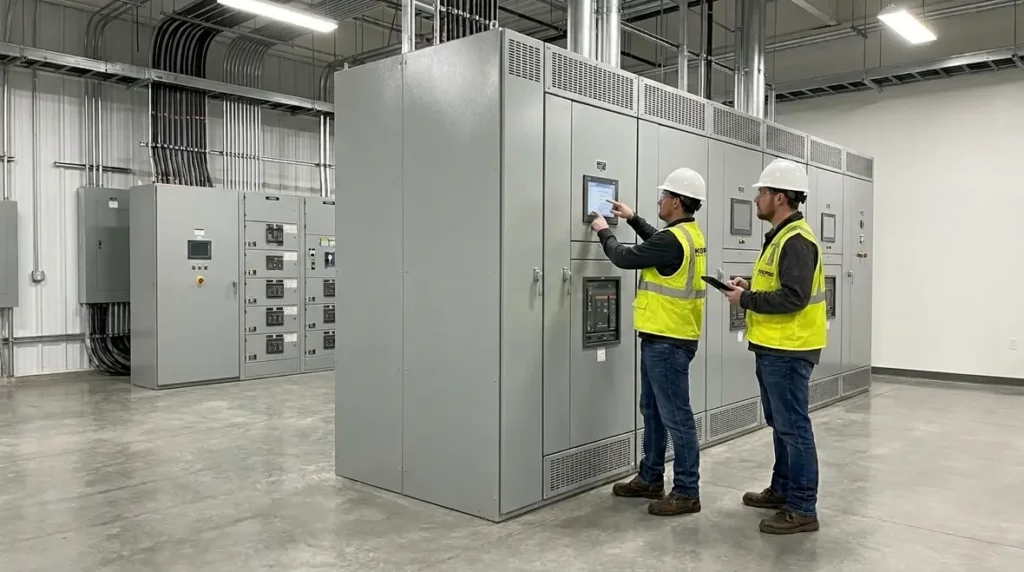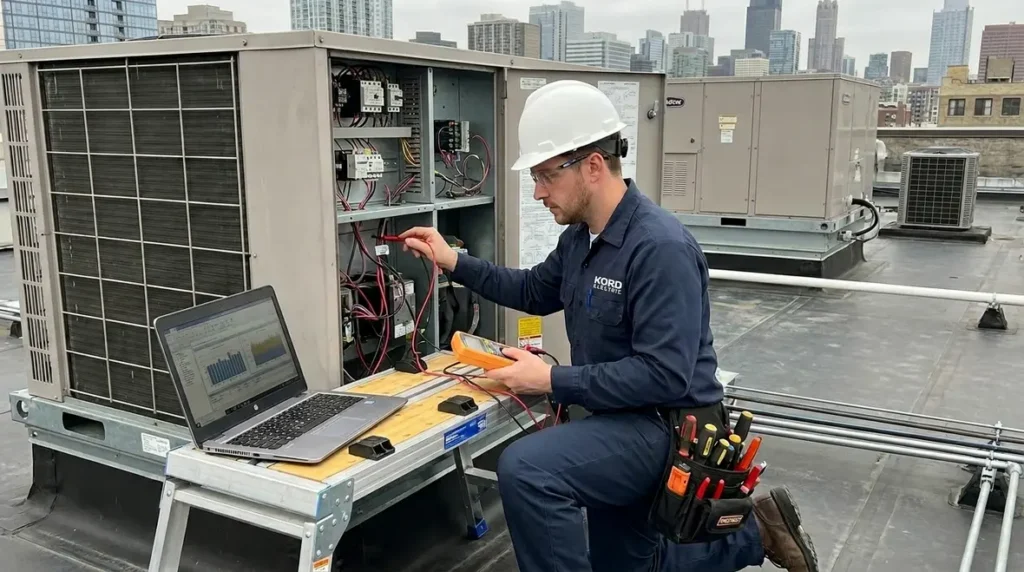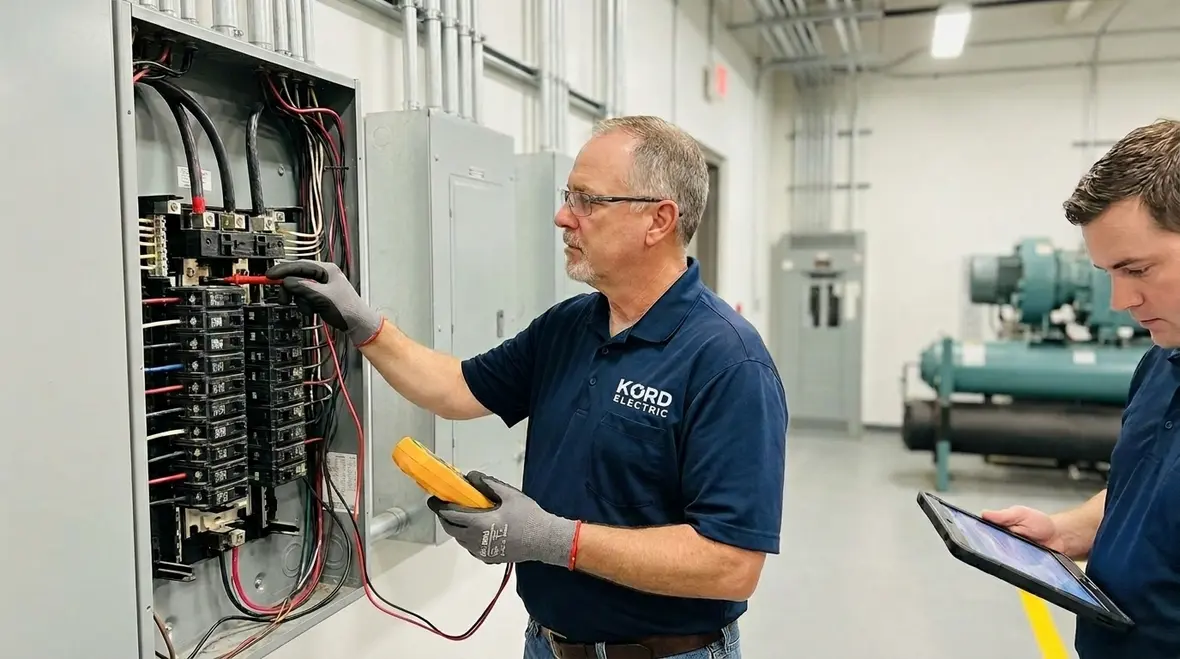
Commercial Electrical Load Balancing Services
At Kord Electric, we handle commercial electrical load balancing as a practical way to improve performance, reliability, and cost control for commercial and industrial facilities and major property buildings. We see what happens when loads stay uneven: breakers trip at the worst time, panels run hot, and power quality slips just enough to cause headaches later. Our process is calm, methodical, and based on data, not vibes. And yes, we also explain the plan in plain language. Our expert technicians and service staff walk facility teams through what we find, what we recommend, and why it matters, so the whole operation feels less like a mystery box and more like a well run system.
What commercial load balancing actually fixes in real buildings
In many commercial and industrial settings, loads do not spread evenly across phases. A single busy area can pull more current, while another phase stays underused. Over time, this imbalance can create extra stress on motors, transformers, switchgear, and bus bars. It can also lead to nuisance trips and faster wear, and that is where “it still works” turns into “why did it break today.”
During Kord Electric assessments, we look at how each circuit and distribution path behaves under actual operating conditions. Then we align the loads so that each phase carries a closer share. When done well, commercial electrical load balancing supports smoother operation, steadier voltage, and better thermal performance across the electrical system. Meanwhile, the building team gets a plan that fits their workflow, not a one size fits nobody solution.

For facility managers who want to look at broader system risk, it can help to connect load balancing with a wider view of hidden panel and distribution issues. A deeper dive into those blind spots is available in Kord Electric’s piece on hidden electrical risks in commercial buildings, which pairs naturally with commercial electrical load balancing when planning upgrades.
How we measure imbalance without guessing
We do not rely on guesswork, because electrical systems do not care about hope. First, our technicians review single line diagrams, panel schedules, and load descriptions. Next, we compare expected design loads with what the building actually draws during peak and off peak hours.
Then we move to field measurement. We capture current on each phase, check harmonic influence when appropriate, and note patterns that repeat during normal activities. Finally, we confirm whether the imbalances come from original design, recent tenant or process changes, or uneven usage habits.
At this stage, our expert service staff explains each finding in a way that helps operators make decisions. For example, we might show that a particular group of HVAC controls and lighting circuits sit too heavily on one phase. Or we might reveal that a remodel shifted equipment connections without updating the distribution plan. In other words, we turn “we feel like something is off” into “here is what is off, and here is why.”
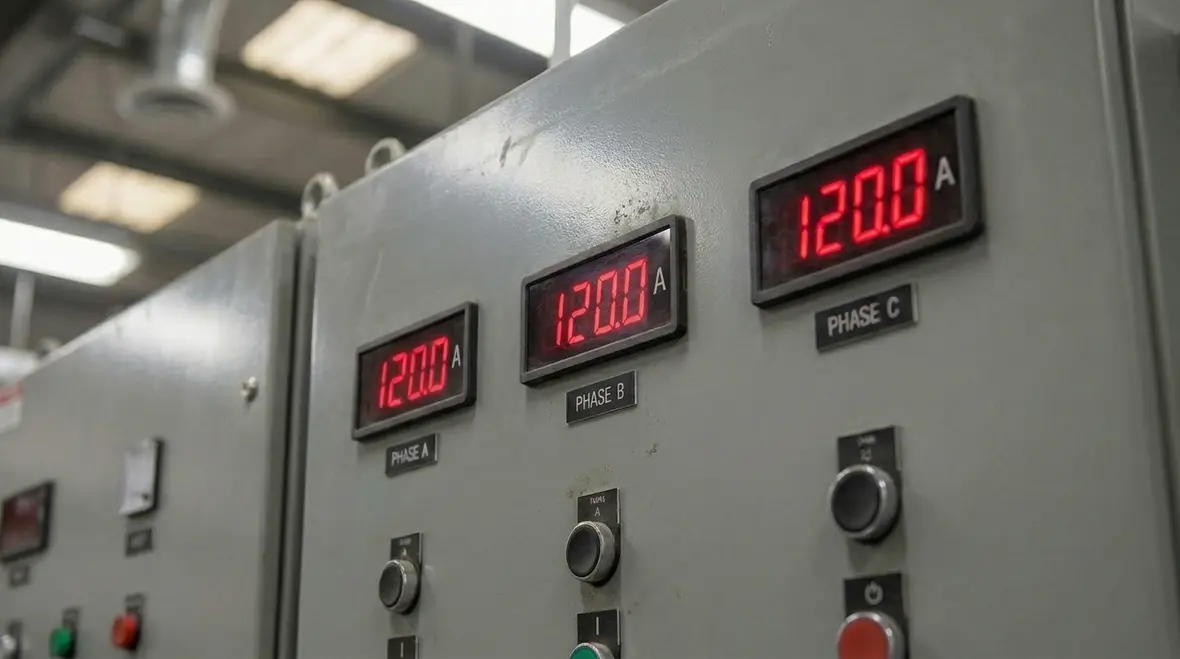
Because imbalance rarely exists in isolation, this same measurement phase often uncovers opportunities to pair commercial electrical load balancing with preventive maintenance, panel upgrades, or even EV charging infrastructure planning. For example, when facilities explore EV charging infrastructure planning for commercial sites, real load data helps determine how new chargers can be added without overwhelming existing distribution.
Smart panel and transformer practices that keep phases even
Once we confirm the imbalance sources, we focus on practical fixes inside the electrical distribution layout. We prioritize actions that improve performance without causing unnecessary disruption to critical operations.
Common steps we take include:
- Reassigning circuits among phases where equipment allows, so each phase carries a more balanced load profile
- Verifying panel inventory and breaker sizes to avoid mismatched ratings that can worsen uneven loading
- Checking transformer loading and secondary distribution so kVA demand aligns better across phases
- Reviewing feeder routing and switchgear connections to confirm that phase mapping matches actual load behavior
- Updating labels and documentation so future work does not recreate the same imbalance
And yes, sometimes the “solution” is simply correcting a wiring map that got out of date. That is not glamorous, but neither is a fire drill because a breaker trips. We handle these upgrades with planning, coordination, and clear communication, especially for facilities that cannot just shut down for a weekend.
In many facilities, these panel and transformer practices tie directly into broader maintenance strategies. For teams building a longer term roadmap, Kord Electric’s guide on commercial and industrial electrical maintenance plans shows how load balancing, inspections, and testing can be woven into scheduled work instead of last minute emergencies.
Why balancing improves power quality and protects equipment
Commercial buildings rely on equipment that hates stress: variable frequency drives, refrigeration units, production equipment, and modern control systems. When phases carry uneven loads, voltage drops can happen more on one phase than the others. That creates conditions where sensitive devices work harder or behave inconsistently.
As our team performs commercial electrical load balancing and related electrical optimization, the goal goes beyond “equal amps.” We aim for steadier voltage, improved thermal performance, and reduced risk of premature component failure. For example, balanced phases can help motors run closer to their expected performance. It can also support better system stability across switchgear, bus bars, and distribution panels.
Moreover, balanced loading can reduce stray issues that show up indirectly, like unexpected nuisance alarms or recurring maintenance calls. In practical terms, facility teams often notice fewer troubleshooting cycles, steadier operations, and a clearer picture of where energy goes. That is how balancing stops being a “nice to have” and becomes a business advantage.
Some of that advantage shows up in areas that do not obviously scream “load balancing” on day one. For example, facilities implementing automated lighting control systems or upgrading to smarter industrial lighting layouts often see better performance when phases are balanced, because voltage stays steadier across control equipment and drivers.
Step by step optimization plan for facility teams
Kord Electric approaches balancing as an organized project, not a random “swap breakers and hope” activity. First, we gather performance data and identify priority panels and distribution paths. Then we quantify how much imbalance exists, when it occurs, and which areas drive it.
Next, we build a phased implementation plan. We typically start with the panels that create the highest impact and the most risk, then progress in a way that keeps critical processes online. Our technicians coordinate with the building owner, operations staff, and any electrical contractors already on site.
Then we execute the circuit reassignments and related adjustments, while documenting changes carefully. After that, we re measure to confirm results, so we do not just claim success, we verify it.
Finally, our expert service staff helps maintain the gains. We recommend how to manage future tenant improvements and equipment additions, because the real world keeps moving. If new equipment arrives without a thoughtful connection plan, imbalance can return. So we help facility teams set up guardrails that prevent repeat problems.
This structured approach to commercial electrical load balancing aligns well with the broader reliability mindset Kord Electric applies in other areas, from electrical system troubleshooting for factories to long term maintenance programs. The same calm, evidence based process that prevents loud failures in production plants guides how we tune distribution systems in offices, warehouses, and major property buildings.
Common obstacles we manage in commercial and industrial buildings
Even the best plan can hit friction. We see several common obstacles, and we handle them calmly, because panic never fixes wiring.
One challenge is incomplete documentation. Older major property buildings sometimes have panels labeled poorly, or circuits that changed hands over the years. Another is operational constraints. Some facilities cannot pause certain equipment, so we must schedule work during windows that protect uptime.
We also run into “hidden load” effects. For instance, multi step processes in manufacturing or variable schedules in office and logistics buildings can shift loads throughout the day. To address that, we measure at relevant times rather than relying on a single snapshot.
Then there is the tenant reality. In large commercial properties, different parties add equipment and modifications. As a result, balancing may need a coordinated approach rather than isolated changes. Kord Electric focuses only on commercial and industrial facilities and major property buildings, so our technicians and service staff know how to work within the structure of property operations.
These same challenges show up in other services as well. For example, when teams explore broader commercial electrical load management for peak efficiency, the interplay between documentation, tenant behavior, and operational constraints becomes just as important as the equipment itself. Load balancing is one of the tools inside that larger strategy, helping facilities shift from short term fixes to long term stability.
FAQ about commercial load balancing
When to call Kord Electric for electrical optimization
If a facility team sees nuisance trips, hot panels, recurring maintenance issues, or uneven power behavior across distribution panels, it is time for a deeper look. Kord Electric delivers a clear, verified approach to balancing and power performance for commercial and industrial facilities and major property buildings. Our technicians and expert service staff explain each step so stakeholders understand what changes, why it matters, and how results are confirmed. Contact us now to schedule an assessment and bring steadier performance to your electrical system. We handle the work, and you keep the lights calm.
For properties across Southern California, including organizations that operate in complex, multi tenant environments, electrical optimization often sits alongside broader service needs. Kord Electric’s dedicated page for Los Angeles County electrical services outlines how troubleshooting, preventive maintenance, upgrades, and emergency response all connect to the same goal: reliable, well balanced power that supports day to day operations.
Whether you are planning a new project, trying to quiet down persistent electrical “mysteries,” or building a long term resilience plan, commercial electrical load balancing is one of the quiet levers that protects uptime. Tie it together with structured maintenance, smart lighting and controls, and thoughtful capacity planning, and the building stops feeling like a fragile experiment and starts acting like the steady system your teams need every day.