

NEC Protection of Specific Circuits at the Service 230.93
At Kord Electric, we focus on commercial and industrial facilities and major property buildings. That means we take NFPA 70 Section 230.93 seriously, because it tells us how to protect specific circuits at the service so the building stays safe and runs the way it should. In the field, this is the difference between a system that trips for the right reason and one that trips like it has a personal grudge. And yes, sometimes it feels like the breaker has seen things. Still, we explain the rules in plain language so owners and managers can make clear decisions.
In this guide, we cover what NEC protection of specific circuits looks like, why it matters, and how our expert service staff walks facilities through safe, code grounded upgrades. We also show what to ask for during design, inspection, and service calls, so you do not end up chasing electrical issues after the fact. For a deeper code backdrop, many facility teams also review our NEC explainer resource Understanding NFPA 70: The National Electrical Code Explained for 2026 before they dive into service level protection choices.
Protecting NEC Circuits Right at the Service
When we talk about NEC protection of specific circuits at the service, we are really talking about where building risk and reliability meet. The service is the doorway where utility power enters the facility, and the decisions made at that point shape everything downstream: life safety systems, major mechanical loads, emergency power interfaces, and sensitive equipment that cannot tolerate sloppy protection. If protection at the service is vague or incomplete, small issues tend to travel far and get expensive fast.
Section 230.93 lives in that world. It does not exist to add another checkbox to a plan review. It exists to make sure specific circuits tied to critical or high risk functions get protection that fits their purpose. When our technicians and expert service staff step into a commercial electrical room, they know that the choices made at the service will decide whether a future fault becomes a brief, contained event or a story everyone remembers for all the wrong reasons.
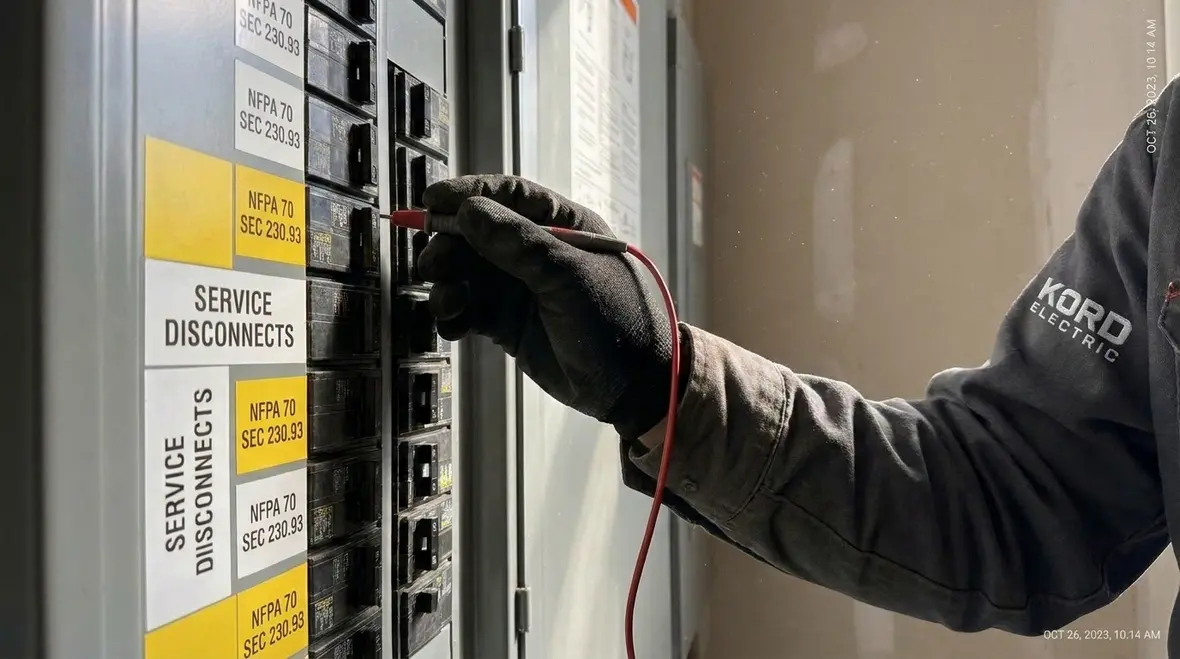
In practice, that means we spend real time at the service equipment reviewing how each specific circuit is protected, how those protections coordinate, and how they line up with NFPA 70 rules that already guide the rest of the building. We also connect this work with broader NEC scope and application guidance that our teams cover in resources like our 2026 NEC application requirements guide and NFPA 70 scope, so the service never gets treated as a one-off decision.
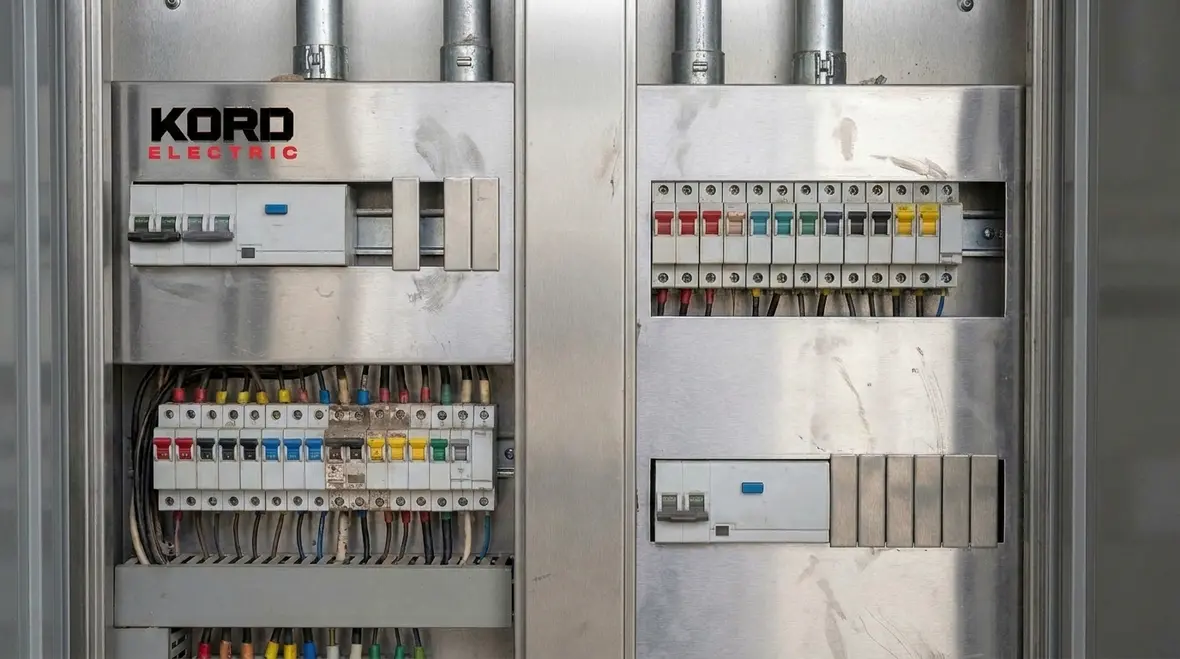
What NFPA 70 Section 230.93 requires at the service
NFPA 70 Section 230.93 focuses on protecting circuits that connect to the service in specific ways. First, it sets expectations for how those circuits must be protected, rather than leaving it up to guesswork and “we will figure it out later.” Second, it clarifies that the code wants protection tailored to certain types of loads. Those loads often include equipment that must stay available, loads tied to life safety, and systems that can create major risk if they fail.
Because we work with major property buildings, we see how these requirements play out in real electrical rooms: switchboards, service disconnects, and feeders that supply critical areas. Therefore, our technicians review the one line diagram and then match protection devices to circuit intent. In other words, we do not just install equipment. We connect protection to the reason the circuit exists.
And when we talk about “specific,” we mean the code cares about which circuit, where it lands, and how the system responds under fault conditions. That is the heart of the matter. When we walk clients through 230.93, we link those expectations back to the bigger NEC framework explained in articles like What Is NFPA 70? Understanding the National Electrical Code, so everyone on the project team understands that service level protection is part of a much larger safety roadmap, not a one paragraph rule living on its own.
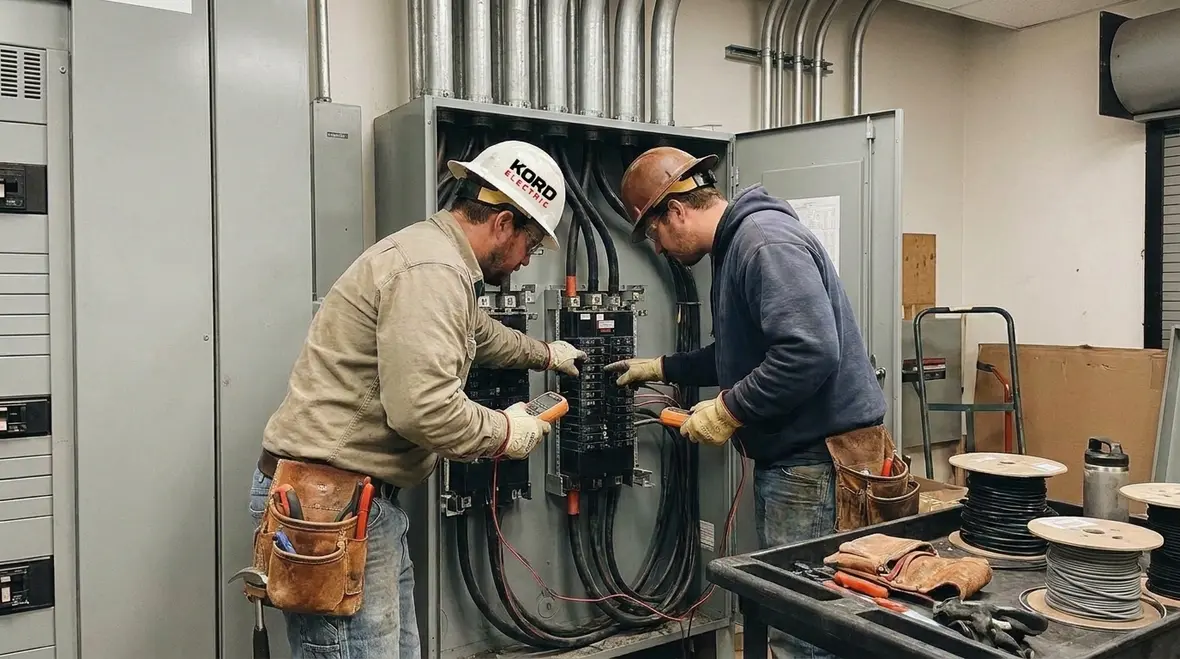
How 230.93 ties into the bigger NEC picture
Section 230.93 does not live in isolation. It connects to other NEC service and protection sections that our team handles regularly, such as service entrance wiring methods under Section 230.43 and equipment installation and listing requirements in Section 110.3. When we support a project, we often cross reference 230.93 decisions with resources like our NEC service entrance wiring methods guide and our article on NFPA 70 Section 110.3 NEC product certification compliance to keep the whole service design aligned.
This matters because NEC protection of specific circuits usage at the service is not just about “having a device in place.” It is about selecting that device according to its listing, making sure the service wiring method matches code conditions, and confirming that each specific circuit gets the protection profile that Section 230.93 expects. When all those parts match, the system earns something better than luck: it earns predictable behavior.
NEC protection of specific circuits: what it protects, and why it matters
NEC protection of specific circuits exists to manage risk and maintain service reliability. When a fault happens, current rises fast and the wrong protection strategy can cause more damage than the fault itself. For example, an overly broad protective setup can interrupt power to equipment that does not need to shut down. Meanwhile, protection that is too narrow can leave other circuits under protected, which can raise fire and equipment damage risk.
So, we look at two outcomes every time. First, we want fast fault clearing without unnecessary downtime. Second, we want the correct device rating and coordination so the system behaves in a planned way. For commercial and industrial facilities, this matters because downtime does not stay small. It tends to grow like a pop culture plot twist: you only notice it after it has already changed everything.
Our expert service staff explains this with simple cause and effect. If a device is selected for the wrong load profile, it can nuisance trip. If a device is selected without proper coordination, it can fail during the moment you need it most. Therefore, we protect the circuit for the job it does, not the job someone hoped it would do.
Connecting protection to real building priorities
In many of the facilities we support across Los Angeles County and surrounding regions, specific circuits at the service feed fire pumps, emergency lighting, data center loads, elevator banks, and large HVAC equipment. Those loads do not all share the same tolerance for interruption. A data room may have redundant feeds and UPS support. A fire pump circuit, on the other hand, ties directly to life safety and must remain available under conditions that would shut down other loads.
By pairing the intent of these circuits with NFPA 70 rules, we reduce the chance that one fault in a non critical area cascades into a building wide problem. For managers who want more background on how NEC shapes those priorities, we often point them toward our sister company’s perspective in the Kord Fire article NFPA 70: All About The National Electrical Code (NEC), which covers why standardized protection is essential for both electrical and fire safety outcomes.
How we apply circuit protection in commercial and industrial buildings
In major property buildings, the electrical distribution path often includes service equipment, distribution gear, transfer switches, emergency loads, and sensitive systems. As a result, 230.93 type rules show up as practical choices during design and retrofits. Our approach focuses on clarity and documentation, because facilities teams need to defend decisions during inspections and internal reviews.
Here is how we typically apply these ideas when our technicians work with a facility owner or their electrical engineer.
We confirm circuit identity: We trace feeders from the service equipment through the distribution system and confirm which circuits must receive specific protection. Then we match that to the load purpose and the risk profile.
We match protection device type and rating: We select devices that fit the intent of the circuit protection rules. This step includes checking ratings, interrupting capacity, and how the device reacts under fault current.
We verify wiring and terminations: We inspect conductor sizing, insulation type, and connection quality. A perfect breaker cannot fix a loose termination. (Loose connections are like bad Wi-Fi. They work until they do not.)
We coordinate where needed: We aim for staged protection so faults clear at the correct level. This reduces outage impact and helps avoid a bigger shutdown than necessary.
Then, before we close everything up, we review what the facility will do next. We tell the building team what to expect during testing, what logs to keep, and what to monitor after any change. In many cases, we also align that plan with structured training and documentation methods similar to those we describe in our electrical safety training requirements for facilities, so staff know how to respond if a protective device operates.
Documentation and inspection readiness
One of the fastest ways to lose time on a project is to show up at inspection with unclear drawings, mismatched labels, or vague answers about how specific service circuits are protected. To avoid that, we align our field work with a documentation trail that includes updated one line diagrams, coordination summaries when needed, and clear labeling at the service gear.
Facility teams who want to deepen their familiarity with how to navigate NEC language around these topics can use our resource How to Read NFPA 70 National Electrical Code alongside this article so service level protection choices feel less like a guessing game and more like a logical extension of the code’s structure.
Common mistakes we prevent during inspections and upgrades
Facilities do not usually fail because someone is trying to be careless. They fail because assumptions pile up. That is why our expert service staff spends time on the details, especially on systems connected to the service. Here are mistakes we often see, and how we prevent them.
Protection that does not match the circuit purpose: A circuit that supplies critical equipment may get the same treatment as a non critical load. Then, during a fault, it trips at the wrong time. We correct this by aligning protection to circuit intent.
Incorrect device selection based on convenience: Sometimes a contractor chooses a device because it is already on the shelf. That is how you get code problems that feel like they are written by a sitcom writer. We avoid it by verifying requirements first.
Missing coordination review: If protective devices do not coordinate, the system can clear faults in the wrong sequence. Therefore, we review how devices behave from upstream to downstream.
Outdated one line diagrams: Many buildings keep drawings that no longer match the field. So, we verify the actual installation, not just what the plan says. Then we document changes clearly.
After we make corrections, we help the facility team understand what changed and why. That way, when questions come from an authority having jurisdiction or an internal audit, the answers stay solid. We also point out where recurring issues may trace back to broader interpretation topics that we cover in resources like NFPA 70 Section 90.6 and NEC formal interpretations reading basics, so teams can avoid repeating the same mistakes on future projects.
Working with other fire and life safety resources
Electrical safety does not live alone. It connects to fire safety, life safety, and building reliability. We often coordinate electrical protection planning alongside fire related teams and documents so the facility does not treat each system like a separate planet.
For example, partners and resources that focus on NFPA and fire pump topics often share the same goal: dependable operation when it counts. If you support fire pumps, life safety systems, or critical emergency loads, you need a protection strategy that keeps equipment available while still clearing faults safely. The same discipline that guides NEC protection of specific circuits helps those systems stay steady.
We also review how installation practices influence safety. Proper breaker mounting, correct torque on terminations, clean labeling, and clear circuit directories reduce confusion during maintenance. And clarity reduces delay. In a crisis, delay is the real enemy. For property leaders planning multi system upgrades, coordinating Kord Electric’s service work with resources like the Kord Fire NFPA codes and fire protection guide helps align electrical protection, fire safety, and inspection expectations under one consistent strategy.
FAQ: NEC protection of specific circuits and Section 230.93
Choose a service team that explains the why, not just the what
If you run a commercial or industrial facility, you need electrical protection that matches real load intent, real field conditions, and real code expectations. At Kord Electric, we send technicians who verify circuits at the service, explain decisions in plain terms, and document changes so your team can move with confidence. Call us for a review of your service equipment protection strategy and we will help you plan safe upgrades before issues grow louder than they should. Let us bring order to the electrical room.
For multi site portfolios or complex campuses, many property leaders pair service level reviews with our broader Los Angeles County electrical services for commercial and industrial facilities, so that NEC protection of specific circuits at the service aligns with design, construction, and ongoing maintenance across every building.
If you want to see how this focused look at Section 230.93 connects to the broader NEC story, you can also explore our blog resource Understanding NFPA 70: The National Electrical Code Explained for 2026. Together, these guides show how code language turns into practical choices at the service equipment where protection for specific circuits really begins.


